Top Foods for Optimal Cognitive Health and Brain Function
Your brain is one of the most complex organs in your body, and just like any other organ, it requires proper nourishment to function at its best. If you've ever felt mentally sluggish or struggled with focus and memory, you're not alone. The right foods can play a crucial role in enhancing cognitive performance, improving mood, and even reducing the risk of long-term conditions like Alzheimer’s disease. In this article, we’ll explore the top foods that support optimal cognitive health and provide practical tips on how to incorporate them into your daily routine.
The Science Behind Brain-Boosting Foods
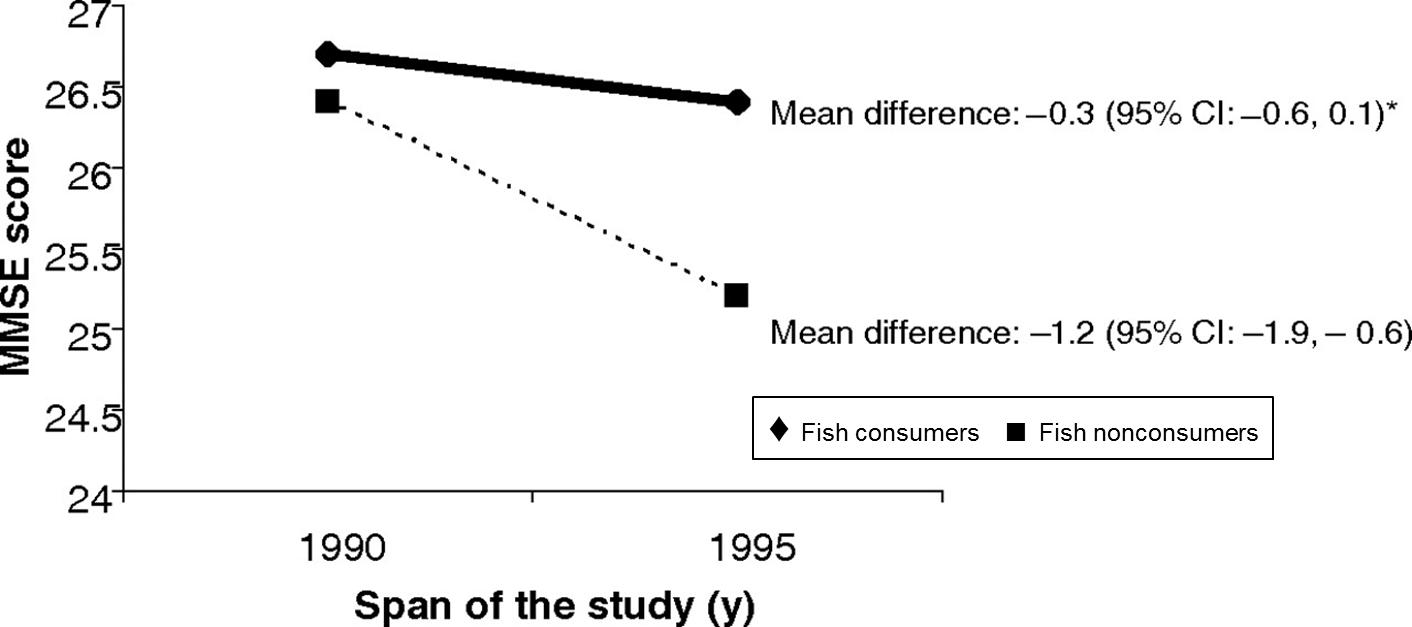
Your brain is made up of about 60% fat, and much of that fat is composed of omega-3 fatty acids—specifically DHA (docosahexaenoic acid). These essential fats are critical for building and maintaining brain cells, as well as protecting them from damage caused by inflammation and oxidative stress. Research shows that diets rich in omega-3s can improve memory, reduce the risk of depression, and even slow cognitive decline as you age.
Another key player in brain health is antioxidants. These compounds, found in many fruits and vegetables, help neutralize harmful free radicals that can damage brain cells over time. Antioxidants also support blood flow to the brain, which is essential for concentration, learning, and overall mental clarity.
8 Essential Foods for Cognitive Health
1. Fatty Fish: Salmon, Trout, and Sardines
Salmon, trout, and sardines are among the best sources of omega-3 fatty acids. These healthy fats are vital for brain cell structure and function. Studies have shown that regular consumption of fatty fish can enhance memory, reduce brain inflammation, and lower the risk of neurodegenerative diseases like Alzheimer’s.
How to Incorporate: Try grilled salmon for dinner, add sardines to salads, or snack on canned tuna.
2. Eggs
Eggs are a powerhouse of nutrients that support brain health. They contain choline, a nutrient that plays a key role in memory and communication between brain cells. Eggs also provide tryptophan, which helps the body produce serotonin—a neurotransmitter that boosts mood and reduces anxiety.
How to Incorporate: Start your day with a breakfast of scrambled eggs, or use them in omelets with veggies.
3. Blueberries
Packed with antioxidants, particularly flavonoids, blueberries are known for their ability to improve blood flow to the brain. This can lead to better concentration, learning, and memory. They also protect the brain from oxidative stress, which is linked to aging and cognitive decline.
How to Incorporate: Add fresh or frozen blueberries to smoothies, oatmeal, or yogurt.
4. Leafy Greens and Cruciferous Vegetables
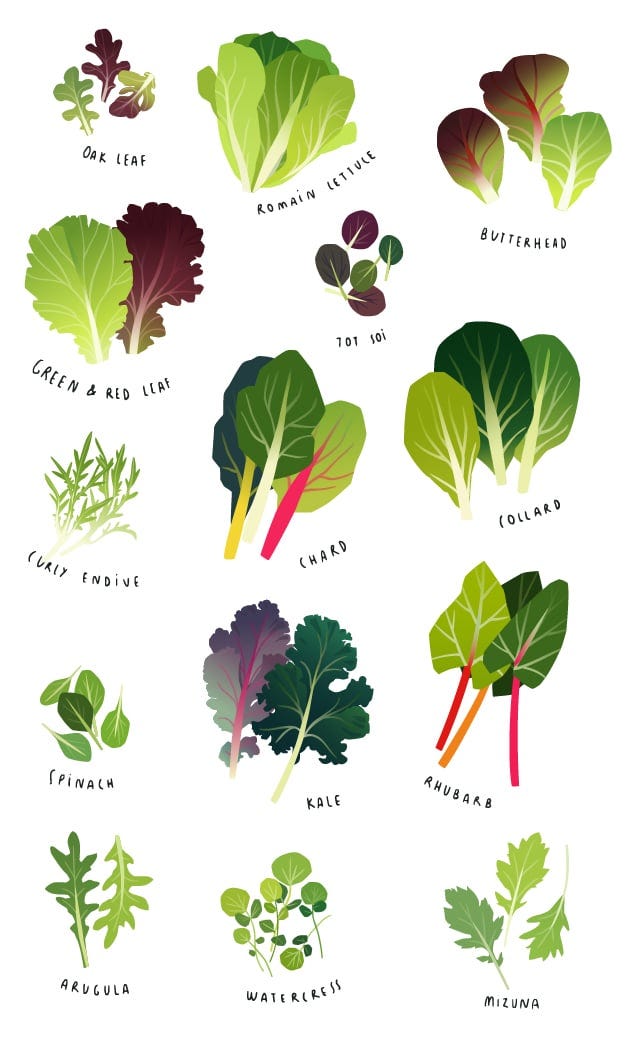
Spinach, kale, broccoli, and Brussels sprouts are loaded with vitamins and minerals that support brain function. They contain vitamin E, folate, and beta carotene, all of which help protect brain cells from damage and may slow cognitive decline.
How to Incorporate: Include leafy greens in salads, stir-fries, or smoothies. Roast cruciferous vegetables for a tasty side dish.
5. Nuts and Seeds

Walnuts, almonds, and flaxseeds are excellent sources of omega-3 fatty acids, antioxidants, and vitamin E. These nutrients help fight inflammation, improve brain function, and protect against age-related cognitive decline.
How to Incorporate: Snack on a handful of nuts, add seeds to salads, or use flaxseed in baked goods.
6. Coffee and Tea
Caffeine in coffee and tea can boost alertness and focus by blocking adenosine, a chemical that makes you feel tired. Both beverages also contain antioxidants that may protect the brain from long-term damage. However, moderation is key to avoid jitters or sleep disturbances.
How to Incorporate: Enjoy a cup of black coffee or green tea in the morning, or opt for herbal teas if you’re sensitive to caffeine.
7. Dark Chocolate
Dark chocolate with at least 85% cocoa contains antioxidants, flavonoids, and small amounts of caffeine. These compounds can improve blood flow to the brain, enhance memory, and boost focus. Just be sure to choose high-quality dark chocolate without added sugars.
How to Incorporate: Savor a small piece after meals or add it to smoothies for a rich flavor.
8. Olive Oil
Rich in monounsaturated fats and antioxidants, olive oil supports heart and brain health. It helps reduce inflammation and may lower the risk of cognitive decline. Use it in cooking, dressings, or as a dip for bread.
How to Incorporate: Drizzle over salads, use in sautéing, or mix into homemade vinaigrettes.
Practical Tips for Brain-Boosting Meals
Creating a diet that supports cognitive health doesn’t have to be complicated. Here’s a sample meal plan that includes brain-boosting foods:
- Breakfast: Scrambled eggs with spinach and tomatoes, paired with a glass of water.
- Snack: A handful of walnuts and a few blueberries.
- Lunch: Grilled salmon with quinoa and roasted broccoli.
- Dinner: Stir-fried tofu with mixed vegetables and brown rice.
- Dessert: A square of dark chocolate or a bowl of Greek yogurt with berries.
This kind of balanced approach ensures you’re getting a variety of nutrients that support both short-term focus and long-term brain health.
Diets That Support Cognitive Health
Two of the most well-researched diets for brain health are the MIND diet and the Mediterranean diet. Both emphasize whole foods, including:
- Whole grains
- Leafy greens
- Berries
- Nuts
- Fish
- Olive oil
- Beans and legumes
They also limit processed foods, red meat, and sugary snacks. Studies suggest that following these diets may reduce the risk of cognitive decline and conditions like Alzheimer’s.
How to Know if Brain-Healthy Eating Is Working
While there’s no quick way to see results, you may notice improvements in focus, mood, and memory over time. Doctors can also use tools like blood tests, cognitive assessments, and brain imaging to track changes in brain health. However, the best indicator is how you feel—more energized, focused, and mentally sharp.
Supplements vs. Whole Foods
While supplements like omega-3s and B12 are available, research shows that whole foods are the most effective source of nutrients. Unless you have a deficiency, relying on supplements alone may not provide the same benefits as eating a diverse, nutrient-rich diet.
Final Thoughts
Optimal cognitive health starts with what you eat. By incorporating brain-boosting foods like fatty fish, leafy greens, nuts, and dark chocolate into your daily routine, you can enhance memory, improve focus, and protect your brain from age-related decline. Small, consistent changes in your diet can make a big difference in your mental clarity and overall well-being. So, take the first step today—your brain will thank you.

Post a Comment for "Top Foods for Optimal Cognitive Health and Brain Function"
Post a Comment