Top Foods for a Healthy Gut Flora: Boost Your Digestive Health Naturally
Your gut is more than just a digestive organ—it's a complex ecosystem that influences everything from your mood to your immune system. The balance of bacteria in your gut, known as the gut microbiome, plays a crucial role in maintaining overall health. As research continues to uncover the profound connections between gut health and well-being, it’s clear that what you eat can significantly impact this delicate balance. By incorporating the right foods into your diet, you can support a thriving gut microbiome and enjoy better digestion, immunity, and even mental clarity.
In this article, we’ll explore the best foods for healthy gut flora, backed by expert insights and scientific research. Whether you’re looking to improve your digestion or simply want to take a proactive approach to your health, these foods can be powerful allies in your wellness journey.
Understanding Gut Flora and Its Importance

The human gut is home to trillions of microorganisms, including bacteria, viruses, and fungi. These microbes work together to break down food, absorb nutrients, and protect against harmful invaders. A balanced gut microbiome is essential for optimal health, but when this balance is disrupted—due to factors like poor diet, stress, or antibiotics—it can lead to a range of issues, from bloating and constipation to more serious conditions like inflammatory bowel disease and autoimmune disorders.
Experts emphasize that nurturing your gut flora through diet is one of the most effective ways to maintain a healthy microbiome. “Your gut is the center of the universe,” says Dr. Rudolph Bedford, a gastroenterologist at Providence Saint John’s Health Center. “Anything that goes into your gut will essentially affect any other organ in your body.”
To support a healthy gut, it’s important to focus on foods that promote the growth of beneficial bacteria while minimizing those that feed harmful microbes. This includes incorporating fiber-rich foods, probiotics, and prebiotics into your daily meals.
1. Fermented Foods: A Powerful Source of Probiotics

Fermented foods are among the most potent tools for supporting a healthy gut. These foods contain live bacteria, known as probiotics, which help populate the gut with beneficial microorganisms. Some of the most effective fermented foods include:
- Yogurt: A classic source of probiotics, yogurt contains live cultures that can enhance gut health. Look for varieties labeled “live and active cultures” to ensure you're getting the most benefit.
- Kefir: Similar to yogurt, kefir is a fermented milk drink that contains a diverse range of probiotic strains. It’s often considered more potent than yogurt due to its higher microbial diversity.
- Sauerkraut: Made from fermented cabbage, sauerkraut is rich in probiotics and provides additional vitamins and minerals.
- Kimchi: A traditional Korean dish made from fermented vegetables, kimchi is packed with probiotics and antioxidants that support gut health.
These foods not only introduce beneficial bacteria into the gut but also help maintain a balanced microbiome by promoting the growth of good bacteria.
2. Fiber-Rich Foods: Feeding the Good Bacteria

Fiber is essential for a healthy gut, as it serves as food for the beneficial bacteria that reside there. Prebiotic fibers, in particular, are designed to nourish these microbes, helping them thrive and maintain a healthy balance. Some of the best fiber-rich foods for gut health include:
- Black Beans: High in both soluble and insoluble fiber, black beans support regular digestion and reduce the risk of constipation.
- Apples: Rich in pectin, a type of soluble fiber, apples help regulate digestion and support the growth of good bacteria.
- Pears: Another excellent source of soluble fiber, pears promote regular bowel movements and contribute to a healthy gut environment.
- Asparagus: Containing inulin, a prebiotic fiber, asparagus helps feed the beneficial bacteria in the gut.
Including a variety of fiber-rich foods in your diet ensures that your gut has the nutrients it needs to function optimally.
3. Leafy Greens: Nutrient-Dense Support for Gut Health

Leafy green vegetables are not only rich in vitamins and minerals but also play a key role in maintaining a healthy gut. They provide essential nutrients that support the gut lining and promote a balanced microbiome. Some of the best leafy greens for gut health include:
- Kale: Packed with antioxidants and fiber, kale supports overall gut health and reduces inflammation.
- Collard Greens: High in fiber and water content, collard greens aid in digestion and help maintain regular bowel movements.
- Spinach: Rich in iron and other nutrients, spinach contributes to a healthy gut environment and supports immune function.
Adding leafy greens to your meals can help improve digestion, boost immunity, and enhance overall well-being.
4. Fatty Fish: Omega-3s for Gut Inflammation

Omega-3 fatty acids, found in fatty fish like salmon, have anti-inflammatory properties that can help reduce gut inflammation and support a healthy microbiome. Research suggests that omega-3s may also help protect the gut lining and prevent leaky gut syndrome, a condition where harmful substances pass through the intestinal wall into the bloodstream.
In addition to their anti-inflammatory benefits, fatty fish are an excellent source of protein and other essential nutrients that contribute to overall health.
5. Nuts and Seeds: Healthy Fats and Fiber for Gut Health
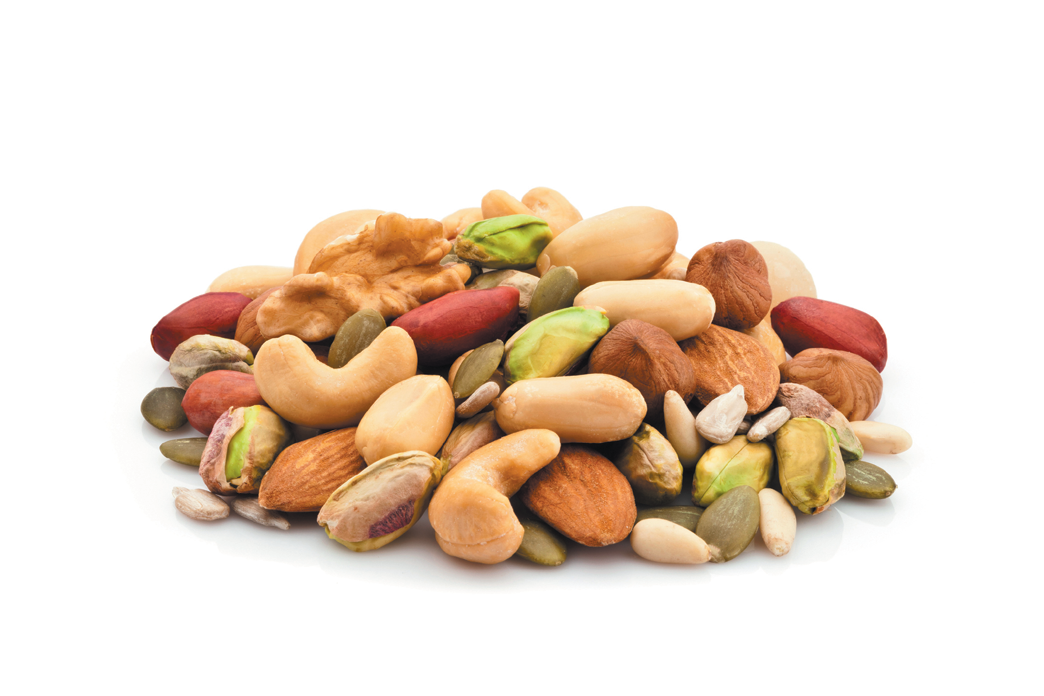
Nuts and seeds are another excellent addition to a gut-friendly diet. They provide healthy fats, fiber, and a range of micronutrients that support digestive health. Some of the best options include:
- Almonds: High in fiber, healthy fats, and protein, almonds help support the gut microbiome and promote satiety.
- Chia Seeds: Rich in fiber and omega-3 fatty acids, chia seeds support digestion and help maintain a balanced gut environment.
- Flaxseeds: Containing both fiber and lignans, flaxseeds contribute to gut health and may help reduce inflammation.
Incorporating nuts and seeds into your diet can help improve digestion, support weight management, and enhance overall gut function.
Conclusion: Nourishing Your Gut for Long-Term Health
A healthy gut is the foundation of overall well-being, and the foods you choose play a critical role in maintaining this balance. By incorporating fermented foods, fiber-rich vegetables, leafy greens, fatty fish, and nuts into your diet, you can support a thriving gut microbiome and enjoy improved digestion, immunity, and mental clarity.
Remember, consistency is key. Making small, sustainable changes to your eating habits can have a significant impact on your gut health over time. If you're unsure where to start, consider consulting a healthcare professional or registered dietitian for personalized guidance.
Ultimately, taking care of your gut is an investment in your long-term health. With the right foods and habits, you can create a strong, resilient microbiome that supports every aspect of your life. Start today, and let your gut thank you for it.

Post a Comment for "Top Foods for a Healthy Gut Flora: Boost Your Digestive Health Naturally"
Post a Comment