Top Female Gut Health Biohacks for Optimal Wellness in 2025

Gut health is a cornerstone of overall well-being, and for women, it holds particular significance due to the unique interplay between hormones and digestion. From the menstrual cycle to menopause, hormonal fluctuations can significantly impact digestive function, making it essential to understand and prioritize gut health. In 2025, with growing awareness of the importance of holistic wellness, female gut health biohacks are becoming more popular as women seek practical, science-backed strategies to support their digestive systems.
This article explores the most effective and up-to-date biohacks for improving female gut health, covering everything from dietary changes to lifestyle adjustments. Whether you're navigating the challenges of perimenopause, dealing with IBS symptoms, or simply looking to maintain a healthy gut, these insights will help you take control of your digestive wellness.
Understanding the Unique Challenges of Female Gut Health

Women experience unique gut health challenges due to the influence of hormones on digestion. Estrogen and progesterone, which fluctuate throughout the menstrual cycle, pregnancy, and menopause, play a critical role in regulating gut motility, inflammation, and microbial balance. These hormonal shifts can lead to common issues like bloating, constipation, diarrhea, and even worsened symptoms of conditions such as irritable bowel syndrome (IBS) and inflammatory bowel disease (IBD).
For example, during the luteal phase of the menstrual cycle, when progesterone levels rise, many women experience slowed digestion and increased bloating. Similarly, during pregnancy, rising hormone levels often cause constipation, while menopause can lead to changes in gut microbiome composition that may contribute to weight gain and metabolic changes.
Understanding these connections allows women to tailor their approaches to gut health, making it easier to manage symptoms and prevent long-term complications.
1. Prioritize Fiber-Rich, Whole Foods

One of the most effective ways to support gut health is by incorporating fiber-rich, whole foods into your diet. Fiber acts as a prebiotic, feeding the beneficial bacteria in your gut and promoting a balanced microbiome. According to Dr. Pradnya Mitroo, a board-certified gastroenterologist, women should aim for at least 35–40 grams of fiber daily.
Key tips: - Focus on soluble fiber: Foods like oats, apples, and legumes are excellent sources of soluble fiber, which helps regulate digestion and reduce bloating. - Eat more plants: Fruits, vegetables, whole grains, and legumes provide not only fiber but also essential vitamins, minerals, and antioxidants that support gut health. - Gradually increase intake: Sudden increases in fiber can cause gas and discomfort, so it's best to introduce fiber-rich foods slowly.
2. Embrace Probiotics and Fermented Foods
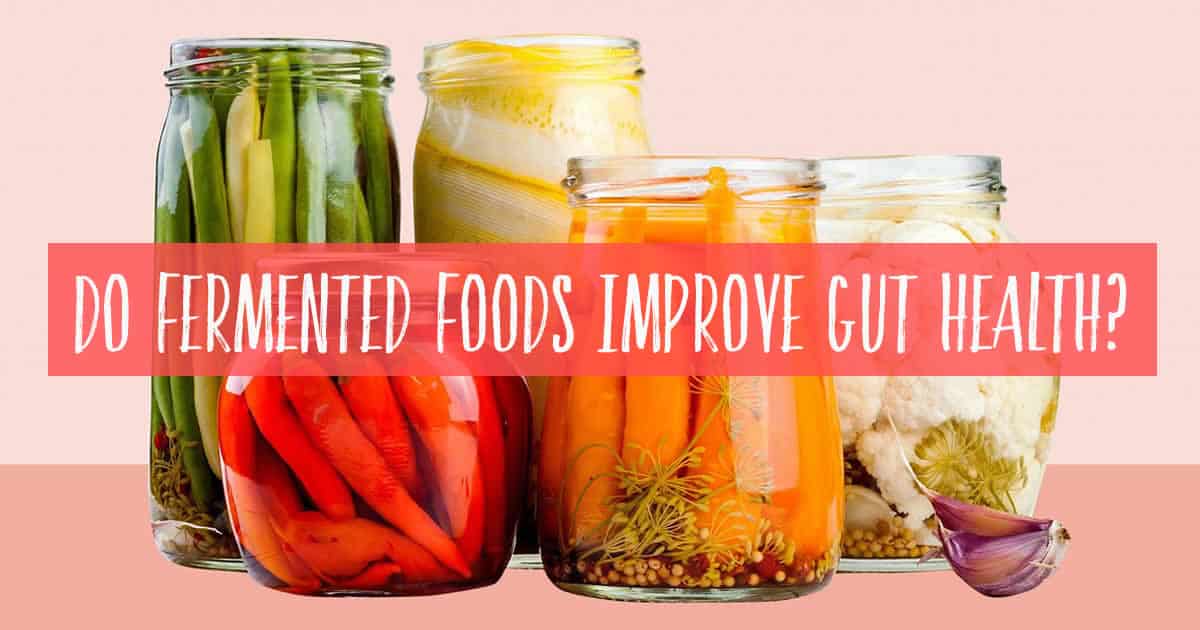
Probiotics are live bacteria that promote a healthy gut microbiome by introducing beneficial microbes. For women, incorporating probiotics into the diet can help alleviate symptoms of IBS, improve digestion, and even support immune function.
Top choices: - Yogurt with live cultures - Kefir - Kimchi - Sauerkraut - Miso
These fermented foods not only add flavor to meals but also contribute to a diverse and resilient gut microbiome. Additionally, supplements containing strains like Lactobacillus and Bifidobacterium can be beneficial for those with specific digestive concerns.
3. Stay Hydrated and Limit Processed Foods
Water is essential for maintaining healthy digestion, as it helps move food through the digestive tract and prevents constipation. Aim for at least 8 glasses of water daily, and consider herbal teas like ginger or peppermint for added digestive benefits.
At the same time, limiting ultra-processed foods is crucial. These foods, which often contain high amounts of sugar, salt, and artificial additives, can disrupt the gut microbiome and contribute to inflammation. Instead, opt for minimally processed, nutrient-dense options.
4. Manage Stress for Better Gut Health

Stress and gut health are deeply connected. The gut-brain axis means that stress can directly impact digestion, leading to symptoms like bloating, stomach pain, and changes in bowel habits. For women, who often experience higher levels of stress due to work, family, and societal pressures, managing stress is a key component of maintaining gut health.
Effective stress-reduction strategies: - Mindfulness meditation - Deep breathing exercises - Regular physical activity - Adequate sleep
Incorporating these practices into your daily routine can help reduce stress and support a healthier gut.
5. Incorporate Regular Physical Activity

Exercise is not just good for your heart and muscles — it also plays a vital role in gut health. Physical activity promotes healthy digestion by stimulating gut motility and supporting a balanced microbiome. Even moderate exercise, such as walking or yoga, can make a significant difference.
Benefits of regular movement: - Improves digestion - Reduces bloating and constipation - Enhances mood and mental clarity - Supports overall metabolic health
Whether it's a morning walk or a midday stretch, finding ways to stay active can have a lasting impact on your gut health.
6. Consider Enzyme Support for Digestive Efficiency
Digestive enzymes are essential for breaking down food and absorbing nutrients. As women age, especially during menopause, their bodies may produce fewer enzymes, leading to digestive discomfort and reduced nutrient absorption.
Enzyme supplements, such as those containing protease, amylase, and lipase, can help support digestion and reduce symptoms like bloating and gas. While not a substitute for a healthy diet, enzyme support can be a valuable addition to a comprehensive gut health strategy.
7. Track Your Menstrual Cycle and Adjust Your Diet

Your menstrual cycle has a direct impact on digestion, so tracking it can help you identify patterns and adjust your diet accordingly. For instance, during the follicular phase, when estrogen is high, you may feel more energetic and able to tolerate more fiber. However, during the luteal phase, when progesterone rises, you might need to reduce certain foods that cause bloating.
Using apps or journals to track your cycle and corresponding digestive symptoms can empower you to make informed choices about what to eat and when.
When to Seek Professional Help

While many gut health issues can be managed with lifestyle changes, there are times when professional guidance is necessary. If you experience persistent symptoms like severe constipation, diarrhea, abdominal pain, or unexplained weight loss, it's important to consult a healthcare provider. Women, in particular, may benefit from seeing a gastroenterologist who understands the unique challenges of female gut health.
Conditions like IBS, endometriosis, and hormonal imbalances can overlap, making accurate diagnosis and treatment essential. A qualified healthcare provider can help you develop a personalized plan to address your specific needs.
Conclusion: Take Charge of Your Gut Health Today

Female gut health is more than just about avoiding discomfort — it's about building resilience, enhancing quality of life, and supporting long-term wellness. By embracing science-backed biohacks like fiber-rich diets, probiotics, stress management, and regular exercise, women can take proactive steps to nurture their digestive systems.
In 2025, the focus on holistic health continues to grow, and understanding the unique relationship between hormones and digestion is more important than ever. Whether you're navigating the challenges of perimenopause, managing IBS, or simply aiming for better digestion, the right strategies can make all the difference.
Start small, stay consistent, and remember that your gut is a powerful ally in your journey toward optimal health. With the right tools and knowledge, you can achieve a stronger, healthier gut — and a more vibrant, balanced life.

Post a Comment for "Top Female Gut Health Biohacks for Optimal Wellness in 2025"
Post a Comment