Top 20 Gut Health Superfoods You Should Include in Your Diet
Your gut is more than just a digestive organ—it's a complex ecosystem that influences your overall health, from your mood and energy levels to your immune system and even your skin. Maintaining a healthy gut isn’t just about avoiding processed foods; it’s also about incorporating the right superfoods that support your microbiome. Whether you’re new to the concept of gut health or looking to refine your diet, this article will guide you through the top 20 gut health superfoods that can transform your well-being.
What Makes a Food a “Gut Health Superfood”?

Before diving into the list, it’s important to understand what qualifies a food as a “gut health superfood.” These are foods rich in prebiotics, probiotics, fiber, and other nutrients that support the growth of beneficial bacteria in your gut. A balanced gut microbiome helps with digestion, nutrient absorption, immune function, and even mental health. The best gut health superfoods are those that not only nourish your body but also promote a thriving internal environment.
1. Oatmeal
Oatmeal is a powerhouse of soluble fiber, which feeds the good bacteria in your gut. It also contains antioxidants called avenanthramides, which have anti-inflammatory properties. To maximize its benefits, choose plain steel-cut oats and add toppings like chia seeds, nuts, or berries instead of sugary cereals.
2. Yogurt (Plain, Unflavored)

Yogurt is one of the most well-known sources of probiotics—live bacteria that support gut health. Look for plain, unflavored varieties without added sugars. Greek yogurt is particularly beneficial due to its high protein content and lower sugar levels.
3. Kefir

Similar to yogurt, kefir is a fermented drink that’s packed with probiotics. It also contains more diverse strains of beneficial bacteria, making it an excellent choice for improving gut flora. Kefir can be enjoyed on its own or blended into smoothies.
4. Sauerkraut

This fermented cabbage dish is rich in probiotics and enzymes that aid digestion. Sauerkraut also contains vitamins C and K, making it a nutritious addition to any meal. Opt for raw, unpasteurized versions to ensure the live cultures remain intact.
5. Kimchi

Another fermented vegetable dish, kimchi is popular in Korean cuisine and offers similar gut benefits to sauerkraut. It’s loaded with probiotics, vitamins, and antioxidants. Its spicy kick adds flavor while supporting digestive health.
6. Kombucha

This fizzy, fermented tea is known for its probiotic content. While it may not be as rich in fiber as some other superfoods, kombucha supports gut health by introducing beneficial bacteria into your system. Choose organic, low-sugar varieties for the best results.
7. Fermented Vegetables (Pickles, Miso, etc.)

Pickles, miso, and other fermented vegetables are excellent sources of probiotics. They help maintain a healthy balance of gut bacteria and can improve digestion. Miso, in particular, is a staple in Japanese cuisine and offers a savory umami flavor.
8. Garlic

Garlic is more than just a flavorful ingredient—it’s a natural prebiotic that supports the growth of good bacteria in your gut. It also has antimicrobial properties that help fight harmful pathogens. Incorporate garlic into your meals for both flavor and health benefits.
9. Onions
Like garlic, onions contain prebiotic fibers that feed beneficial gut bacteria. They’re also rich in antioxidants and can help reduce inflammation. Try adding them to salads, soups, or roasted dishes for extra flavor and nutrition.
10. Bananas
Bananas are a great source of resistant starch, a type of fiber that acts as a prebiotic. They also contain potassium, which supports heart health and muscle function. Choose slightly green bananas for higher resistant starch content.
11. Apples
Apples are rich in pectin, a type of soluble fiber that promotes the growth of good bacteria in the gut. They also contain polyphenols, which have antioxidant and anti-inflammatory properties. Eat apples with the peel on to get the full benefit of their nutrients.
12. Chia Seeds
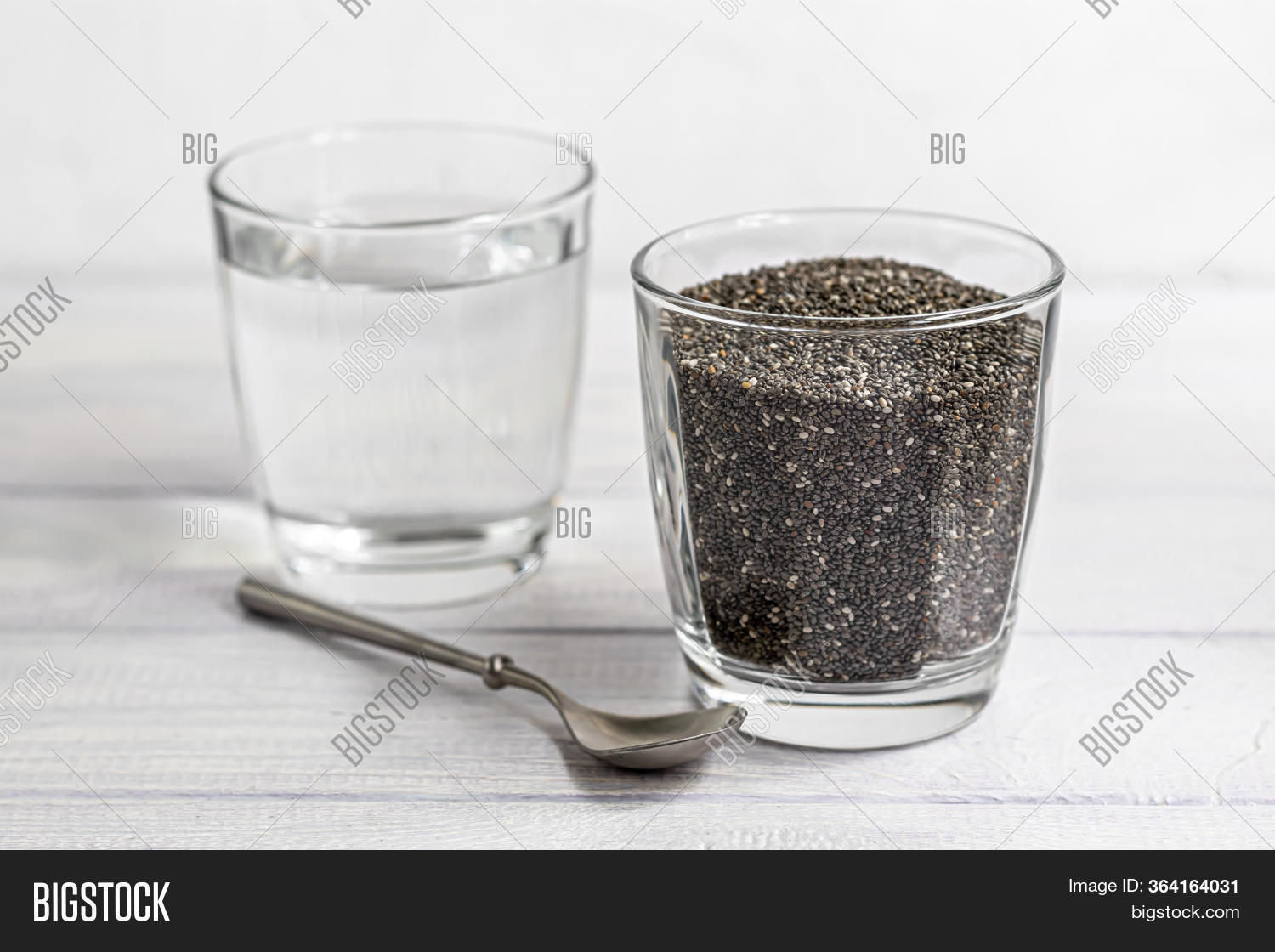
These tiny seeds are packed with fiber, omega-3 fatty acids, and antioxidants. They act as a prebiotic, feeding the good bacteria in your gut. Chia seeds can be added to smoothies, oatmeal, or made into a pudding.
13. Flaxseeds

Flaxseeds are another excellent source of fiber and omega-3s. They also contain lignans, which have been linked to improved gut health and reduced inflammation. Ground flaxseeds are easier to digest and absorb than whole seeds.
14. Almonds

Almonds are high in healthy fats, protein, and fiber. They also contain polyphenols that support gut health. Snack on a handful of almonds or add them to salads and trail mixes for a nutrient boost.
15. Walnuts

Walnuts are rich in omega-3 fatty acids, fiber, and antioxidants. They support gut health by promoting the growth of beneficial bacteria and reducing inflammation. A handful of walnuts makes a great snack or topping for salads.
16. Pumpkin Seeds

Pumpkin seeds are high in magnesium, zinc, and fiber, all of which support gut health. They also contain healthy fats and antioxidants that help reduce inflammation. Add them to salads, yogurt, or eat them as a snack.
17. Artichokes

Artichokes are a good source of inulin, a prebiotic fiber that supports the growth of beneficial gut bacteria. They’re also rich in antioxidants and can help improve digestion. Try roasting or grilling them for a delicious and nutritious side dish.
18. Asparagus

Asparagus is high in inulin and other prebiotic fibers that feed good gut bacteria. It’s also rich in vitamins K and C, and it contains compounds that support liver health. Add asparagus to stir-fries, salads, or roasted dishes.
19. Leeks
Leeks are part of the onion family and contain prebiotic fibers that support gut health. They’re also rich in vitamins A, C, and K, and they have anti-inflammatory properties. Use leeks in soups, stews, or sautéed dishes.
20. Cabbage
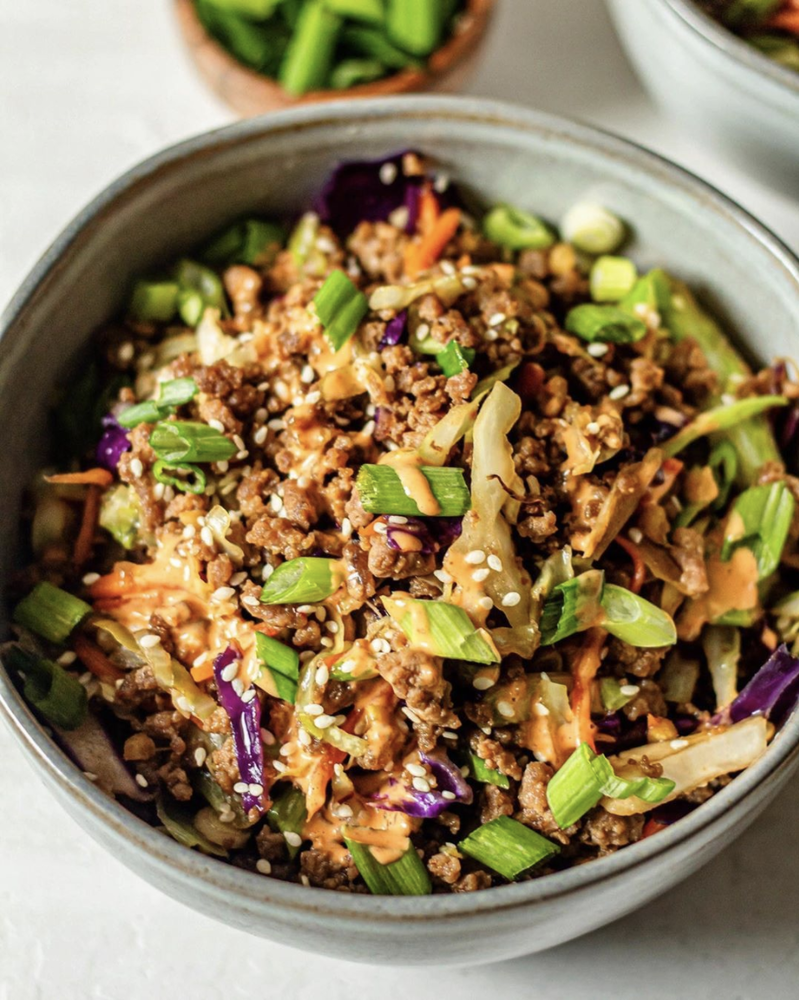
Cabbage is another cruciferous vegetable that supports gut health. It’s rich in fiber, vitamins, and antioxidants, and it contains compounds that help protect against inflammation. Try eating it raw in salads or fermenting it into sauerkraut.
Conclusion
Incorporating these 20 gut health superfoods into your daily routine can significantly improve your digestive health and overall well-being. From probiotic-rich foods like yogurt and kefir to prebiotic-packed options like bananas and chia seeds, each of these foods plays a unique role in supporting a healthy gut microbiome. Remember, consistency is key—small, regular changes to your diet can lead to long-term benefits. Start with one or two of these foods and gradually build up your intake to create a balanced, gut-friendly diet that works for you.

Post a Comment for "Top 20 Gut Health Superfoods You Should Include in Your Diet"
Post a Comment