The Ultimate Holistic Neurowellness Guide for Long-Term Brain Health
Your brain is the most complex organ in your body, responsible for everything from your thoughts and emotions to your physical movements and memory. Maintaining its health is essential not just for cognitive function but for overall well-being. This guide will walk you through the science-backed strategies that can help you achieve long-term neurowellness—covering everything from exercise and nutrition to mental stimulation and stress management.

Understanding Brain Healing and Neuroplasticity

For decades, it was believed that the brain couldn’t change much after childhood. However, modern neuroscience has shown that the brain is remarkably adaptable. This ability, known as neuroplasticity, allows the brain to form new neural connections throughout life. According to 2024 research from the National Institute of Mental Health, adults can generate about 700 new neurons daily in the hippocampus, the brain’s memory center.
This means that your brain has the potential to heal itself, grow, and adapt. The key is understanding how to stimulate this process. By making intentional lifestyle choices, you can support your brain’s natural healing mechanisms and enhance cognitive function.
Physical Exercise: The Foundation of Brain Healing

Exercise is one of the most powerful tools for brain health. Harvard Medical School has found that regular aerobic exercise increases the production of brain-derived neurotrophic factor (BDNF), a protein that promotes the growth of new brain cells. Even 30 minutes of moderate exercise daily can increase hippocampal volume by 2% within six months, effectively reversing age-related brain shrinkage.
High-intensity interval training (HIIT) has also shown promise, with participants experiencing measurable improvements in cognitive function within just seven minutes of daily exercise. The mechanism behind this involves increased blood flow, enhanced oxygen delivery, and the release of growth factors that support neurogenesis.
Key Takeaway: Incorporate at least 30 minutes of aerobic exercise into your routine, such as running, swimming, or cycling, to support brain healing and cognitive function.
Nutritional Strategies to Heal Your Brain

What you eat directly impacts your brain's ability to heal. The brain uses about 20% of your daily caloric intake, making proper nutrition essential for optimal cognitive function. A Mediterranean-style diet, rich in omega-3 fatty acids, antioxidants, and specific vitamins, has been shown to reduce the risk of cognitive decline by up to 53%.
Foods like blueberries, fatty fish, nuts, and leafy greens contain compounds that cross the blood-brain barrier and support brain cell health. Omega-3 fatty acids, particularly DHA and EPA, are crucial for maintaining cell membrane integrity and promoting neurogenesis.
Key Takeaway: Focus on a diet rich in whole foods, including omega-3s, antioxidants, and essential nutrients to support brain healing.
Mental Stimulation and Cognitive Training

Mental stimulation is vital for brain healing. The "use it or lose it" principle applies here—engaging in challenging mental activities promotes neuroplasticity and helps repair brain cells naturally. Studies show that individuals who regularly engage in complex mental tasks maintain better cognitive function and show less age-related decline.
Learning new skills, such as playing an instrument or learning a foreign language, provides comprehensive brain stimulation. These activities engage multiple brain regions simultaneously, encouraging the formation of new neural connections.
Key Takeaway: Challenge your brain with new skills, puzzles, or learning opportunities to promote cognitive resilience.
Sleep Optimization for Brain Repair

Quality sleep is often overlooked but critical for brain health. During sleep, the brain removes toxins and repairs damaged tissue through the glymphatic system. Poor sleep quality can impair this process, leading to accelerated cognitive decline.
Aim for 7-9 hours of consistent, high-quality sleep each night. Create an optimal sleep environment by keeping your bedroom cool, dark, and quiet. Avoid screens before bedtime, as blue light can disrupt melatonin production.
Key Takeaway: Prioritize sleep hygiene to ensure your brain has the time it needs to repair and regenerate.
Stress Management and Emotional Well-being
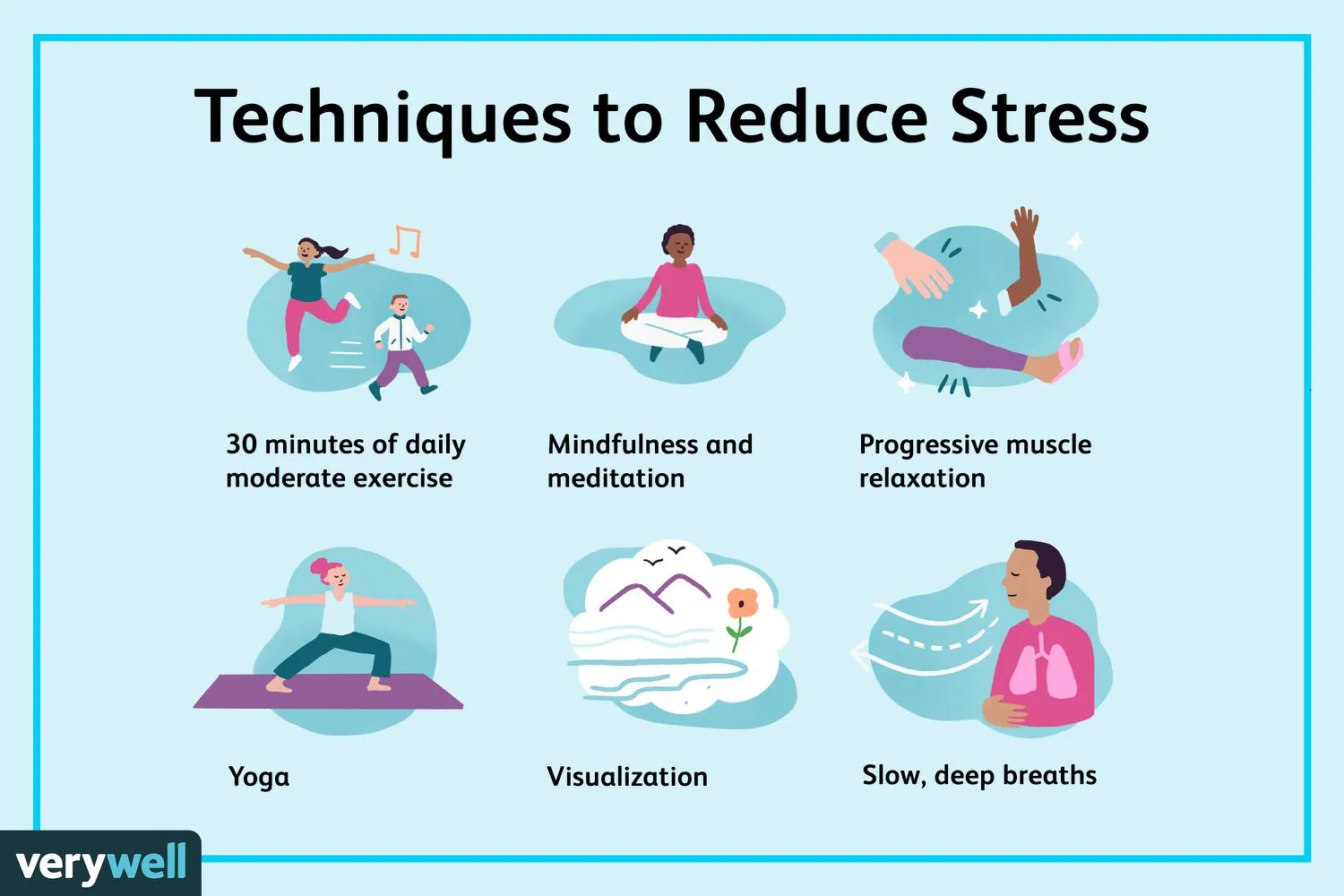
Chronic stress is one of the most damaging factors for brain health. It releases cortisol, which can shrink brain tissue over time. Managing stress effectively is crucial for brain healing and preventing further cognitive decline.
Meditation, mindfulness, and breathing techniques have been shown to reduce stress and improve cognitive function. Research shows that even eight weeks of meditation practice can increase cortical thickness in areas associated with attention and memory.
Key Takeaway: Practice daily meditation or deep breathing exercises to reduce stress and support brain health.
Social Connection and Brain Health

Social isolation is increasingly recognized as a significant risk factor for cognitive decline. Strong social connections stimulate multiple brain regions and provide the mental stimulation necessary for cognitive health. Studies show that people with strong social relationships have a 50% lower risk of developing dementia.
Building and maintaining social networks actively supports brain healing through several mechanisms. Social interaction challenges your brain to process complex information and maintain emotional regulation.
Key Takeaway: Stay connected with friends, family, and community groups to support your brain's health and resilience.
Environmental Factors and Brain Protection

Your environment plays a crucial role in brain healing. Exposure to toxins, pollutants, and harmful substances can impair cognitive function. Creating a brain-healthy environment involves minimizing exposure to neurotoxins while maximizing beneficial environmental factors.
Focus on clean air, natural lighting, and reducing noise pollution. Studies show that green spaces and natural environments can enhance mood and cognitive function.
Key Takeaway: Choose environments that support mental clarity and reduce exposure to harmful elements.
Conclusion
Achieving long-term neurowellness requires a holistic approach that includes physical activity, proper nutrition, mental stimulation, quality sleep, stress management, social connection, and a supportive environment. By incorporating these strategies into your daily life, you can support your brain’s natural healing processes and enhance cognitive function.
Remember, your brain is capable of remarkable change and growth. With the right habits and mindset, you can take control of your brain health and enjoy a sharper, more resilient mind for years to come. Start today—your brain will thank you.
Post a Comment for "The Ultimate Holistic Neurowellness Guide for Long-Term Brain Health"
Post a Comment