The Ultimate Guide to the Mediterranean Anti-Inflammatory Diet: Benefits, Foods, and Meal Ideas
The Mediterranean anti-inflammatory diet is more than just a way of eating—it’s a lifestyle that has been shown to support long-term health, reduce chronic disease risk, and promote overall well-being. With its emphasis on whole, unprocessed foods and anti-inflammatory ingredients, this dietary pattern has gained widespread recognition for its ability to combat inflammation, a key driver of many modern-day health issues. Whether you're looking to improve your heart health, manage diabetes, or simply eat more mindfully, the Mediterranean anti-inflammatory diet offers a sustainable and delicious path forward.
In this guide, we’ll explore what makes this diet unique, the science behind its anti-inflammatory effects, and how you can easily incorporate it into your daily routine. You'll also find a variety of meal ideas and practical tips to help you get started.

What Is the Mediterranean Anti-Inflammatory Diet?
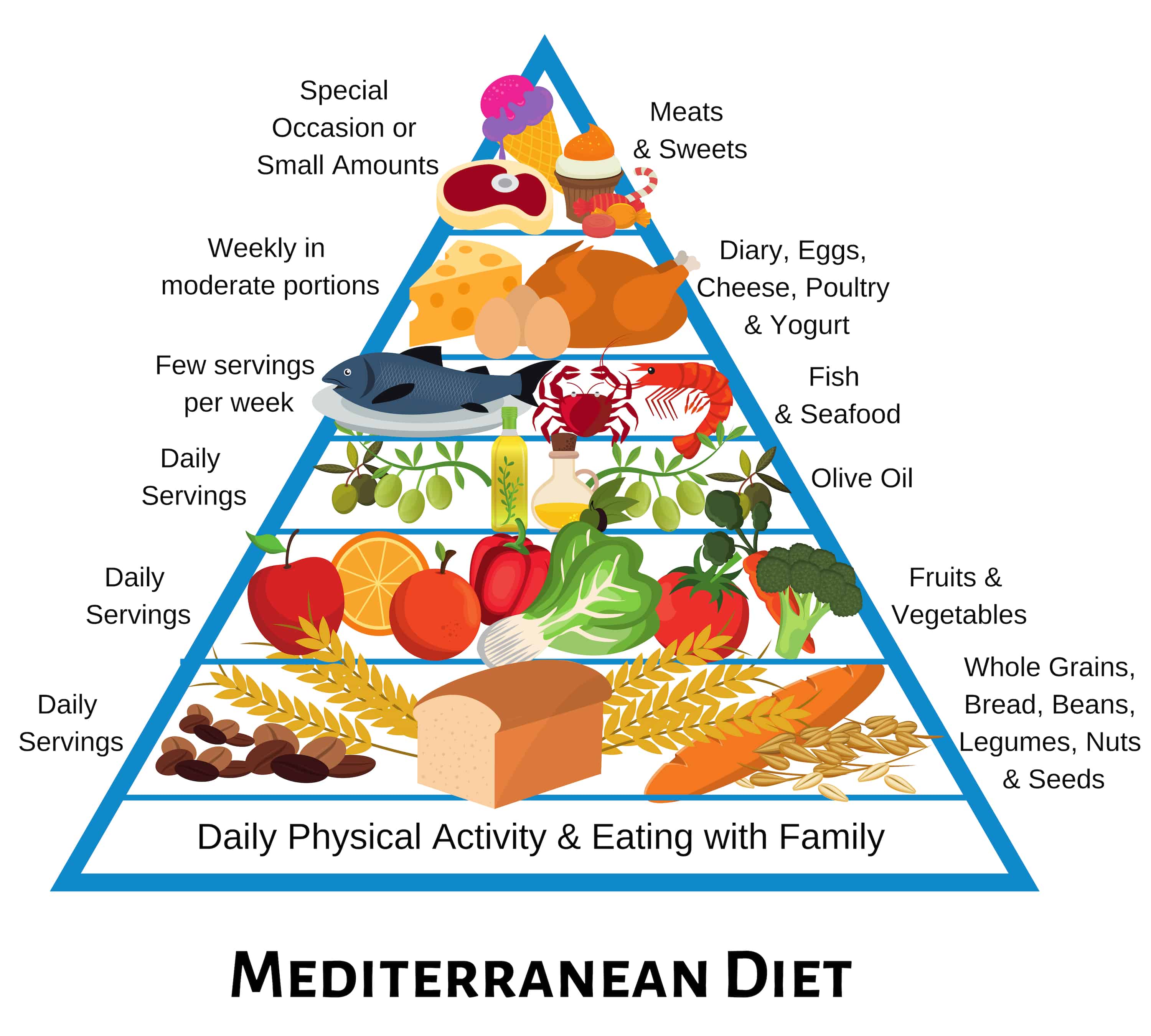
The Mediterranean anti-inflammatory diet is rooted in the traditional eating habits of people living in countries bordering the Mediterranean Sea, such as Greece, Italy, and Spain. It emphasizes whole, minimally processed foods like fruits, vegetables, whole grains, legumes, nuts, seeds, and healthy fats—particularly extra-virgin olive oil. It also includes moderate amounts of fish, poultry, and dairy, while limiting red meat, refined sugars, and processed foods.
What sets this diet apart is its strong focus on anti-inflammatory foods. Chronic inflammation is linked to a wide range of health conditions, including heart disease, type 2 diabetes, and certain cancers. By prioritizing foods rich in antioxidants, polyphenols, and omega-3 fatty acids, the Mediterranean anti-inflammatory diet helps reduce systemic inflammation and support overall health.
The Science Behind the Mediterranean Anti-Inflammatory Diet

Research consistently shows that the Mediterranean diet is one of the most effective dietary patterns for reducing the risk of chronic diseases. Studies have found that individuals who follow this diet closely have lower rates of heart disease, improved cognitive function, and a reduced risk of developing type 2 diabetes.
One of the key reasons for these benefits is the diet's low Dietary Inflammatory Index (DII). The DII is a tool used to measure the inflammatory potential of a diet. A lower DII score means the diet is less likely to cause inflammation in the body. The Mediterranean diet scores very low on this scale due to its high intake of anti-inflammatory foods like leafy greens, berries, nuts, and fatty fish.
Additionally, the Mediterranean diet supports a healthy gut microbiome. Emerging research suggests that the fiber-rich plant-based foods in this diet promote the growth of beneficial gut bacteria, which play a crucial role in regulating inflammation and immune function.
Key Components of the Mediterranean Anti-Inflammatory Diet
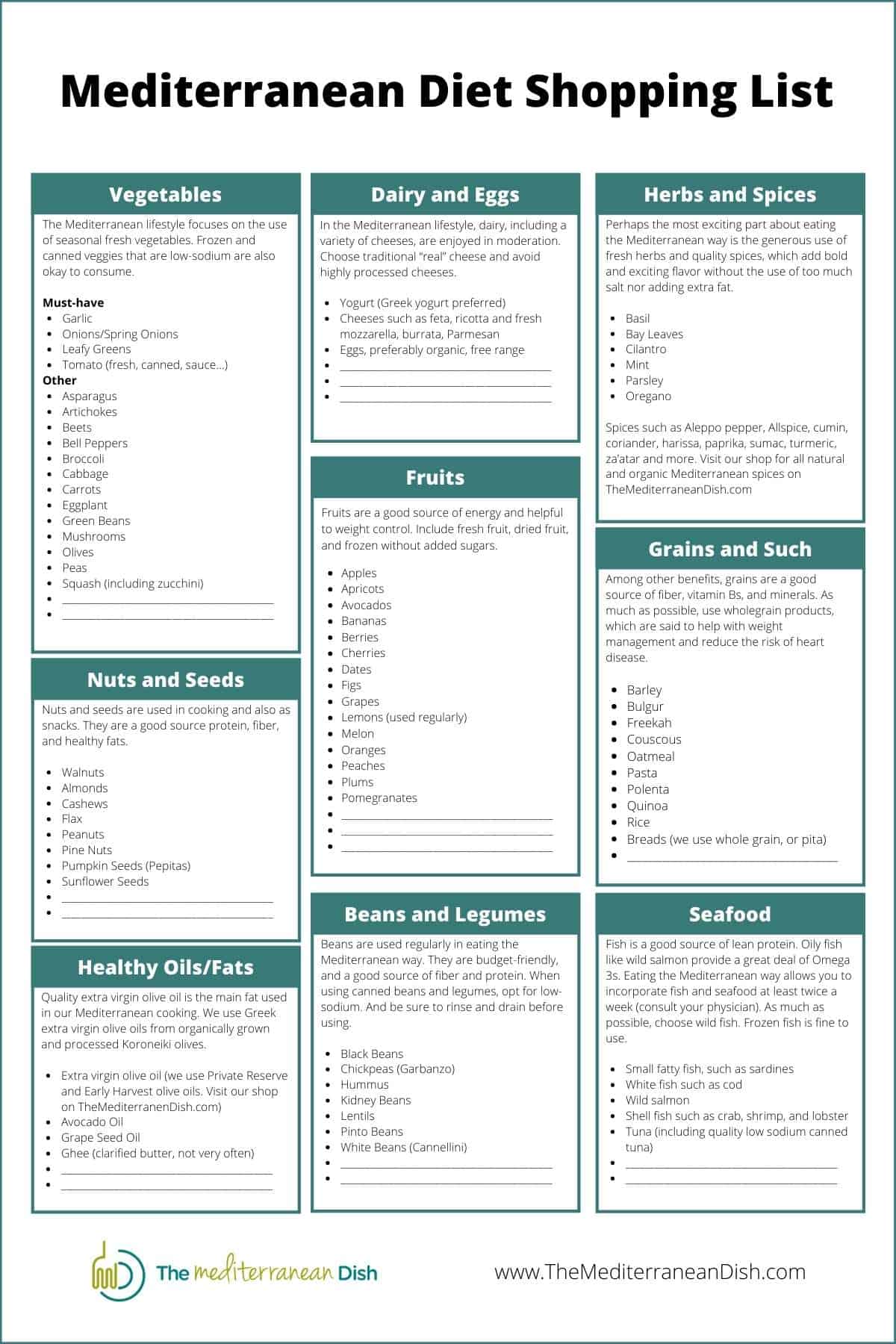
To fully benefit from the Mediterranean anti-inflammatory diet, it's important to understand which foods to prioritize and which to limit. Here are some of the core components:
- Fruits and Vegetables: Rich in antioxidants, vitamins, and minerals, these should be the foundation of every meal.
- Whole Grains: Brown rice, quinoa, farro, and whole-wheat bread provide sustained energy and fiber.
- Healthy Fats: Extra-virgin olive oil, avocados, and nuts are excellent sources of monounsaturated fats and omega-3s.
- Legumes and Beans: Lentils, chickpeas, and black beans are high in protein and fiber.
- Fish and Poultry: Fatty fish like salmon, sardines, and mackerel are rich in omega-3 fatty acids, while lean poultry provides protein without excessive saturated fat.
- Dairy Products: Moderate consumption of yogurt and cheese provides calcium and probiotics.
- Herbs and Spices: Turmeric, garlic, oregano, and cinnamon add flavor and offer anti-inflammatory benefits.
Limit or avoid: - Processed meats - Refined sugars and sweets - Trans fats - Highly processed snacks and fast food
Practical Tips for Incorporating the Diet

Adopting the Mediterranean anti-inflammatory diet doesn’t mean completely overhauling your eating habits overnight. Here are some simple ways to start:
- Start with Small Changes: Swap out refined grains for whole grains, and replace sugary snacks with fresh fruit or a handful of nuts.
- Cook at Home: Preparing meals at home allows you to control the ingredients and avoid hidden additives.
- Use Healthy Fats: Replace butter with olive oil, and use avocado instead of mayonnaise.
- Eat More Plants: Aim to fill half your plate with colorful vegetables and fruits at each meal.
- Stay Hydrated: Drink plenty of water throughout the day, and consider herbal teas for added antioxidants.
Delicious Meal Ideas to Try

Here are 50 easy and flavorful recipes that align with the Mediterranean anti-inflammatory diet:
- Greek Yogurt with Berries and Honey – A nutrient-packed breakfast or snack.
- Turmeric-Spiced Red Lentil Soup – A warming, anti-inflammatory dish.
- Olive Oil & Citrus Kale Salad – A refreshing and crunchy salad.
- Sardine & Avocado Toast – A budget-friendly, heart-healthy option.
- Classic Caprese Plate – A simple yet satisfying combination of tomatoes, mozzarella, and basil.
- Whole-Grain Tabbouleh – A zesty and fiber-rich grain salad.
- Roasted Red Pepper Hummus & Veggie Sticks – A healthy and tasty dip.
- Spinach & Feta Omelet – A protein-packed breakfast.
- Baked Salmon with Olives & Tomatoes – A flavorful and nutritious main dish.
- Sautéed Greens with Garlic & Lemon – A quick and easy side.
These dishes showcase the versatility of the Mediterranean anti-inflammatory diet and prove that healthy eating can be both delicious and satisfying.
Conclusion
The Mediterranean anti-inflammatory diet is more than just a trend—it’s a time-tested approach to eating that supports long-term health and vitality. By focusing on whole, nutrient-dense foods and minimizing processed ingredients, this diet helps reduce inflammation, improve gut health, and lower the risk of chronic diseases.
Whether you're looking to boost your energy, support your heart health, or simply enjoy more flavorful meals, the Mediterranean anti-inflammatory diet offers a sustainable and enjoyable path forward. Start small, experiment with new recipes, and gradually build a lifestyle that nourishes both your body and your taste buds. With consistency and a little creativity, you’ll be well on your way to reaping the many benefits of this powerful dietary pattern.

Post a Comment for "The Ultimate Guide to the Mediterranean Anti-Inflammatory Diet: Benefits, Foods, and Meal Ideas"
Post a Comment