The Ultimate Guide to Light Therapy for Seasonal Affective Disorder
If you’ve ever felt sluggish, down, or irritable during the darker months of the year, you’re not alone. Seasonal affective disorder (SAD) affects millions of people in the United States each year, often leaving them feeling trapped in a cycle of fatigue and low mood. But there’s hope: light therapy has emerged as a powerful, non-invasive treatment that can help restore your energy, improve your mood, and bring back a sense of normalcy during the winter months.
This guide will walk you through everything you need to know about light therapy for SAD, from how it works to how to choose the right device and use it effectively. Whether you're new to this treatment or looking to refine your approach, this article will equip you with the knowledge to make informed decisions and get the most out of your light therapy journey.
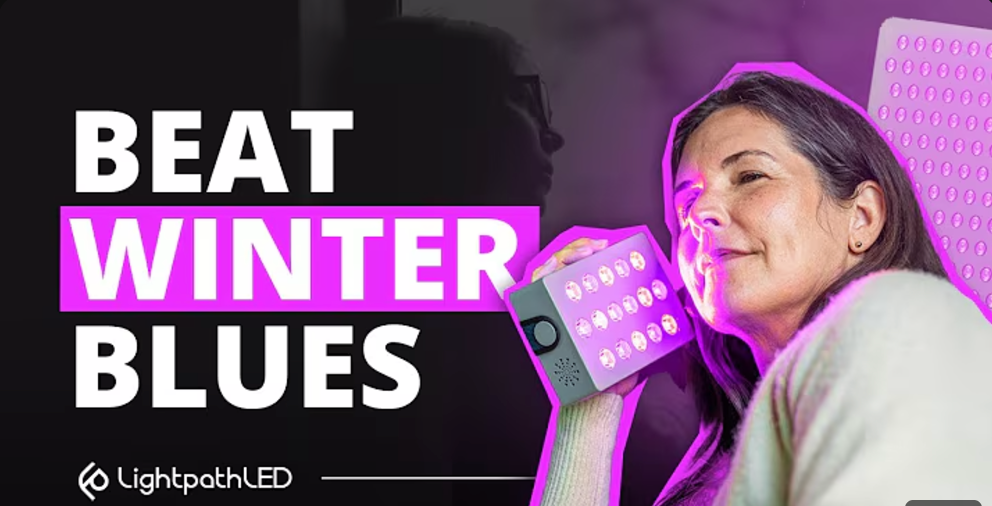
Understanding Seasonal Affective Disorder

Seasonal affective disorder is a type of depression that follows a seasonal pattern, typically beginning in the fall and continuing through the winter months. It’s more than just the “winter blues”—it’s a recognized mental health condition that can significantly impact daily life.
Common symptoms of SAD include:
- Persistent feelings of sadness or hopelessness
- Loss of interest in activities you once enjoyed
- Fatigue or low energy
- Difficulty concentrating
- Changes in sleep patterns (oversleeping or insomnia)
- Appetite changes, especially increased cravings for carbohydrates
The exact cause of SAD isn’t fully understood, but experts believe it’s closely linked to reduced exposure to sunlight during the shorter days of fall and winter. This lack of natural light can disrupt the body's internal clock (circadian rhythm), leading to imbalances in serotonin and melatonin levels—two key neurotransmitters that regulate mood and sleep.
How Light Therapy Works for SAD
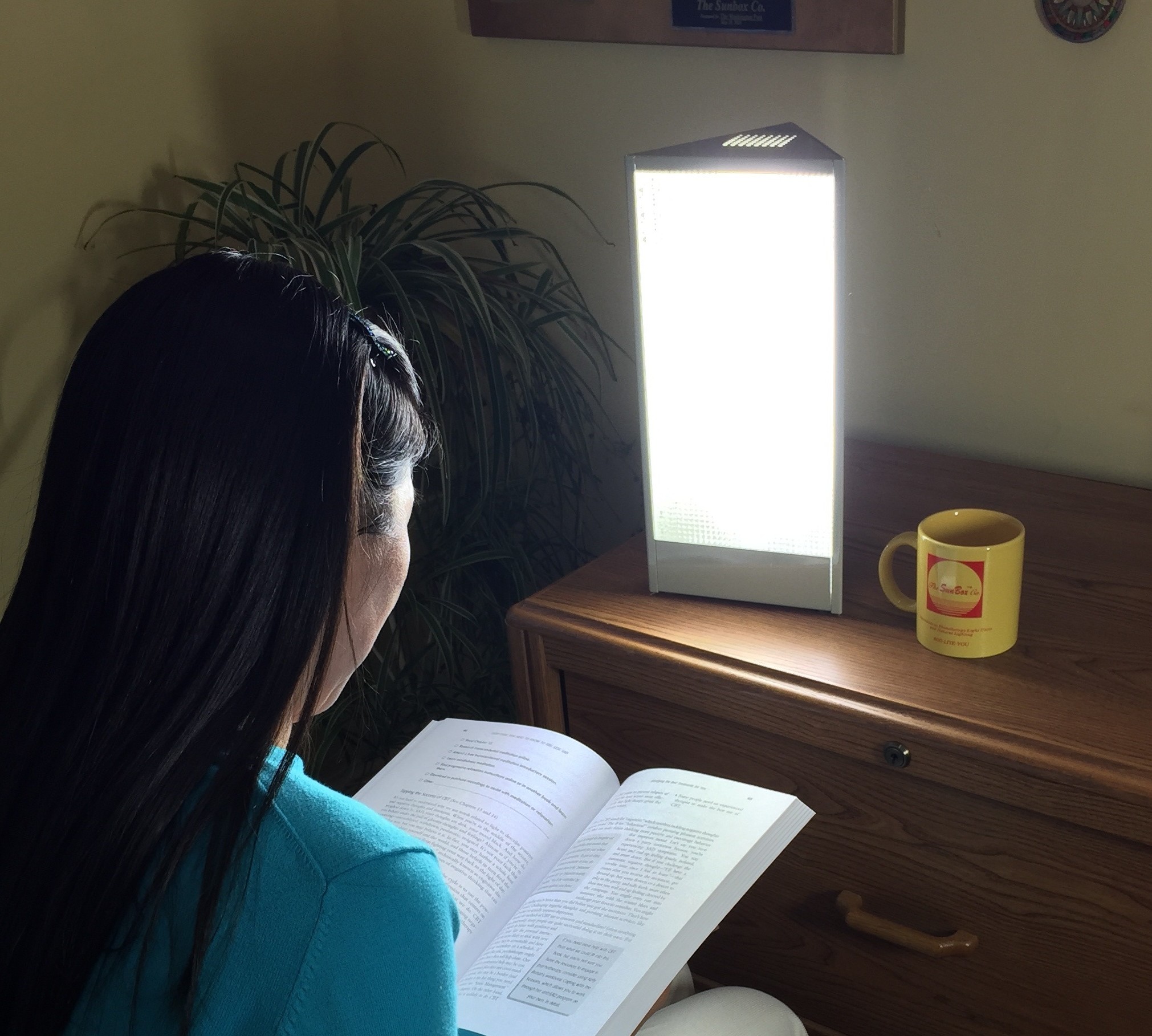
Light therapy, also known as bright light therapy (BLT), is designed to mimic the effects of natural sunlight. By exposing yourself to a bright light source for a set period each day, you can help regulate your circadian rhythm and boost your mood.
Here’s how it works:
- Stimulating the Retina: The light from a therapy lamp activates cells in the retina that send signals to the hypothalamus, the part of the brain responsible for regulating the body’s daily rhythms.
- Regulating Serotonin and Melatonin: Exposure to bright light helps increase serotonin levels, which can improve mood, and reduces melatonin production, helping to combat the drowsiness and lethargy associated with SAD.
- Restoring Circadian Rhythm: Consistent use of light therapy can help reset your internal clock, making it easier to wake up in the morning and stay alert throughout the day.
Most light therapy devices emit 10,000 lux of light, which is about 50 times brighter than typical indoor lighting. This intensity is necessary to achieve the therapeutic effects of the treatment.
Other Uses of Light Therapy

While light therapy is most commonly used for SAD, its benefits extend beyond seasonal depression. Research has shown that it can also be effective for:
- Chronic depression – Studies have found that light therapy can help alleviate symptoms of major depressive disorder.
- Premenstrual depression – Some women experience mood changes before their menstrual cycle, and light therapy may help ease these symptoms.
- Sleep disorders – For those struggling with irregular sleep patterns, light therapy can help regulate the body’s natural sleep-wake cycle.
- Bipolar disorder – In some cases, light therapy is used as an adjunct treatment to manage mood swings.
It’s important to note that while light therapy is generally safe, it should always be used under the guidance of a healthcare professional, especially if you have other medical conditions or are taking medications.
How to Use Light Therapy Lamps
Using a light therapy lamp is straightforward, but following the right guidelines can make all the difference in its effectiveness. Here’s a step-by-step guide:
- Choose the Right Time: Most people find that using the lamp first thing in the morning is most effective. This helps reset your circadian rhythm and boosts your energy for the day.
- Position Yourself Correctly: Sit 12 to 24 inches away from the lamp. Avoid looking directly at the light, and angle it slightly above your line of sight.
- Set the Duration: A typical session lasts 20–30 minutes. Some people may need longer sessions, depending on their needs and the intensity of their symptoms.
- Be Consistent: For best results, use the lamp every day during the season when your symptoms are most severe. Stopping too soon can lead to a recurrence of symptoms.
Many users report seeing improvements within a few days, though it may take a couple of weeks to feel the full effect.
Choosing the Right Light Therapy Lamp
With so many options available, selecting the right light therapy lamp can be overwhelming. Here are some key features to look for:
- Light Intensity: Aim for a lamp that provides at least 10,000 lux. This is the standard intensity used in clinical studies.
- Adjustable Settings: Look for lamps with adjustable brightness and color temperature settings to customize your experience.
- Timer Function: A built-in timer ensures you don’t overuse the lamp and makes it easier to stick to your routine.
- Portability: If you travel frequently, consider a compact and lightweight model that’s easy to carry.
- Safety Features: Choose a lamp that filters out harmful UV rays and has a glare-free design to protect your eyes.
Some of the top-rated models include the Verilux HappyLight, Northern Light Technologies Boxelite, and Lumie Mini. Each has its own unique features, so it’s worth comparing them based on your specific needs.
Potential Side Effects and Precautions
While light therapy is generally safe, it’s not without potential side effects. These may include:
- Eyestrain
- Headaches
- Irritability
- Difficulty sleeping, especially if used too late in the day
- Increased sensitivity to light
If you experience any of these symptoms, reduce the duration of your sessions or consult your doctor. People with certain medical conditions, such as eye diseases or skin cancer, should avoid light therapy or use it with caution.
Conclusion
Light therapy offers a simple, effective, and accessible solution for managing seasonal affective disorder. By mimicking natural sunlight, it helps regulate your mood, energy levels, and circadian rhythm, providing relief from the symptoms of SAD. Whether you’re looking to start your mornings with more energy or simply want to feel better during the darker months, light therapy can be a valuable tool in your wellness toolkit.
Remember, consistency is key. Using your lamp regularly and following the recommended guidelines will help you achieve the best results. And if you’re unsure whether light therapy is right for you, consult with a healthcare provider to discuss your options and create a personalized plan.
By understanding how light therapy works and making an informed choice about the right device, you can take control of your mental health and enjoy a brighter, more balanced life—no matter the season.

Post a Comment for "The Ultimate Guide to Light Therapy for Seasonal Affective Disorder"
Post a Comment