The Ultimate Guide to Gut Lining Support with Oral Peptides
Your gut is more than just a digestive organ—it's the foundation of your overall health. From immune function to mental clarity, the state of your gut lining plays a critical role in how you feel and perform. When this delicate barrier is compromised, it can lead to a cascade of issues, including inflammation, nutrient malabsorption, and even systemic health problems. Fortunately, advancements in science have introduced a powerful tool for restoring and maintaining gut health: oral peptides.
Oral peptides are short chains of amino acids that act as biological messengers, delivering specific signals to your cells. These tiny molecules have shown incredible potential in supporting gut lining integrity, reducing inflammation, and promoting healing. Unlike traditional supplements like probiotics or fiber, which work by altering the gut environment, oral peptides directly communicate with your body’s cells to initiate repair and balance.
In this guide, we’ll explore how oral peptides support gut health, why they’re gaining popularity, and which ones are most effective for different gut concerns. Whether you're dealing with leaky gut, IBS, or simply looking to optimize your digestion, understanding the role of peptides can be a game-changer.
What Are Oral Peptides?
Peptides are naturally occurring molecules composed of two or more amino acids linked together. They differ from proteins in size—typically containing 2–50 amino acids—and serve as signaling molecules in the body. These small but powerful compounds play a crucial role in regulating various physiological processes, including metabolism, immunity, and cellular repair.
When it comes to gut health, certain peptides have been found to specifically target the intestinal lining, helping to restore its integrity and reduce inflammation. Unlike larger proteins, which are often broken down during digestion, some peptides are designed to survive the harsh conditions of the stomach and be absorbed intact in the intestines. This makes them ideal for oral administration, offering a non-invasive way to support gut function.
How Do Oral Peptides Support Gut Health?
The gut lining acts as a selective barrier, allowing nutrients to pass into the bloodstream while keeping harmful substances out. When this barrier becomes compromised—often referred to as "leaky gut"—it can lead to chronic inflammation, food sensitivities, and even autoimmune reactions. Oral peptides help address this issue by:
- Strengthening the mucosal barrier: Certain peptides promote the production of tight junction proteins, which are essential for maintaining the structural integrity of the gut lining.
- Reducing inflammation: Many peptides have anti-inflammatory properties that help calm the immune response in the gut, preventing unnecessary damage.
- Promoting tissue regeneration: Some peptides stimulate cell migration and new blood vessel formation, aiding in the repair of damaged intestinal tissue.
- Balancing the microbiome: Certain peptides can modulate the gut microbiota, supporting the growth of beneficial bacteria and inhibiting harmful ones.
These mechanisms make oral peptides a unique and targeted approach to gut healing, addressing the root causes of dysfunction rather than just managing symptoms.
The Best Oral Peptides for Gut Lining Support
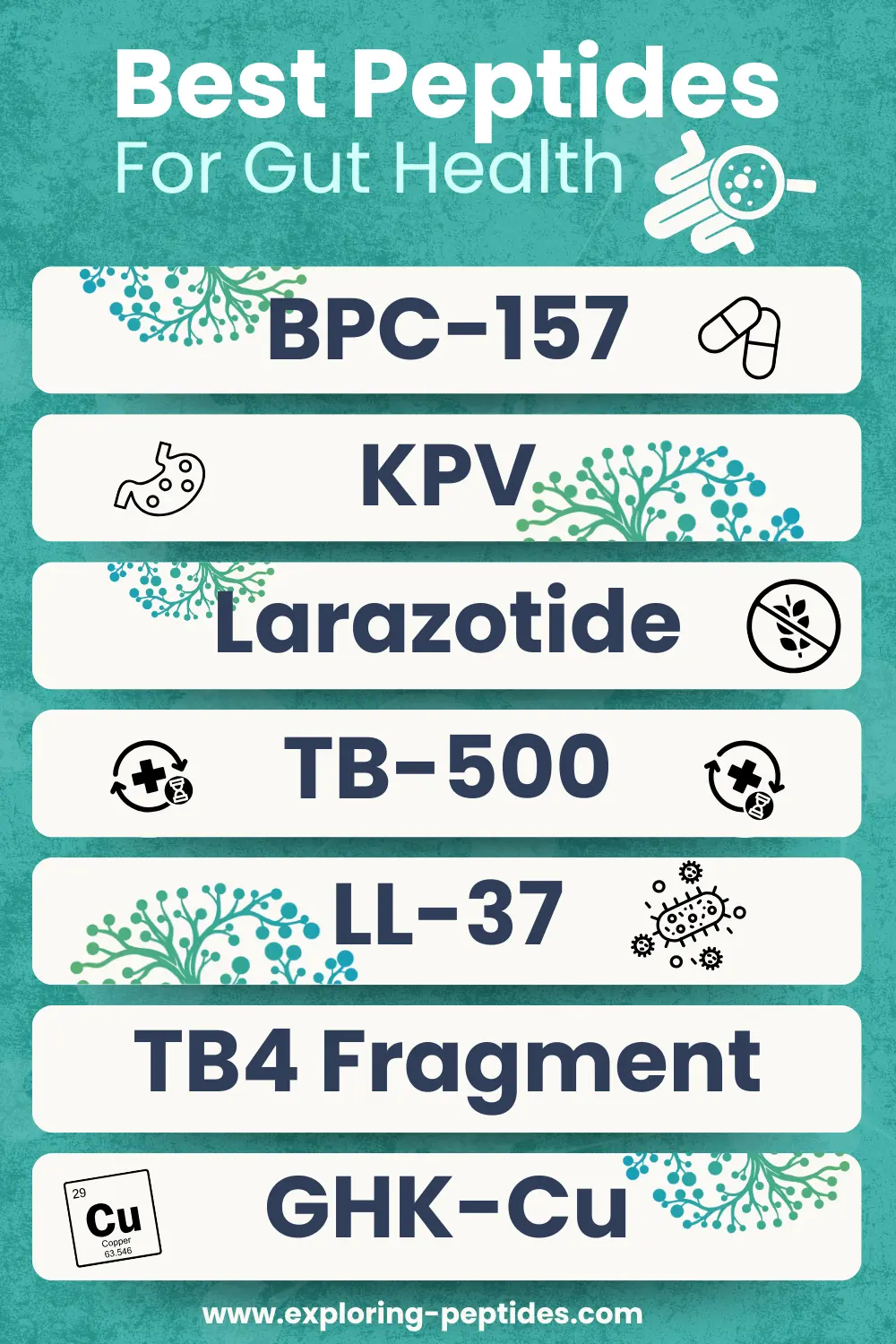
Not all peptides are created equal, and their effectiveness depends on their specific structure and mechanism of action. Here are some of the most well-researched oral peptides for gut lining support:
1. BPC-157 (Body Protection Compound)
BPC-157 is one of the most studied peptides for gut health. Originally isolated from human gastric juice, it has a natural affinity for the gastrointestinal tract and is known for its ability to accelerate tissue repair. It works by:
- Repairing the mucosal lining of the stomach and intestines
- Reducing inflammation and oxidative stress
- Promoting angiogenesis (new blood vessel formation)
- Enhancing the production of tight junction proteins
BPC-157 is particularly effective for conditions like leaky gut, gastritis, and IBS. Its stability in the acidic environment of the stomach allows it to be taken orally without losing potency.
2. KPV (Lys-Pro-Val)
KPV is a tripeptide derived from alpha-melanocyte-stimulating hormone (alpha-MSH). It’s known for its potent anti-inflammatory effects, making it ideal for managing chronic gut inflammation. KPV works by:
- Inhibiting the NF-κB pathway, a key driver of intestinal inflammation
- Reducing pro-inflammatory cytokines like TNF-α and IL-6
- Supporting the integrity of the intestinal epithelium
KPV is especially beneficial for individuals with inflammatory bowel disease (IBD), such as Crohn’s disease and ulcerative colitis.
3. Larazotide Acetate
Larazotide is a synthetic peptide designed to regulate intestinal tight junctions. It prevents the opening of these junctions triggered by zonulin, a protein associated with increased permeability in conditions like celiac disease. By acting locally in the gut lumen, Larazotide helps maintain a strong barrier and reduce the risk of harmful substances entering the bloodstream.
4. GHK-Cu (Copper Peptide)
While primarily known for its wound-healing properties, GHK-Cu also supports gut health by modulating gene expression and reducing oxidative stress. It promotes collagen synthesis and has anti-inflammatory effects that benefit the intestinal lining.
How to Use Oral Peptides for Maximum Effectiveness
To get the most out of oral peptides, it’s important to follow best practices for dosage, timing, and consistency:
- Start with a low dose: Begin with the recommended dosage on the product label and gradually increase if needed.
- Take on an empty stomach: For optimal absorption, take peptides 30 minutes before a meal or 2 hours after eating.
- Be consistent: Most research suggests that visible results may take several weeks, so it’s important to stick with the regimen.
- Combine with a gut-friendly lifestyle: Peptides work best when paired with a healthy diet, stress management, and adequate sleep.
Choosing High-Quality Oral Peptides
With the growing popularity of peptides, the market is flooded with products of varying quality. To ensure safety and efficacy, look for:
- Third-party testing: Reputable brands provide certificates of analysis (COA) to verify purity and potency.
- cGMP-certified manufacturing: This ensures the product is produced under strict quality standards.
- Advanced delivery systems: Look for formulations that protect the peptide from stomach acid, ensuring it reaches the intestines intact.
Avoid products that lack transparency about their sourcing or manufacturing process, as these may contain impurities or incorrect dosages.
Oral Peptides vs. Other Gut Health Solutions
While probiotics, prebiotics, and digestive enzymes are valuable tools for gut health, oral peptides offer a unique advantage. Instead of simply adding bacteria or nutrients, peptides act as signaling molecules that direct your body’s own repair processes. This makes them a powerful complement to other gut-supportive strategies.
For example, while probiotics help balance the microbiome, peptides like BPC-157 and KPV work at the cellular level to heal the gut lining and reduce inflammation. Together, they create a comprehensive approach to gut health.
Final Thoughts
Oral peptides represent a promising frontier in gut health, offering a targeted and effective way to support the integrity of your intestinal lining. Whether you're dealing with chronic inflammation, leaky gut, or simply looking to optimize your digestion, these powerful molecules can play a vital role in your wellness journey.
By understanding the science behind peptides and choosing high-quality products, you can harness their potential to restore balance and vitality to your gut. As research continues to evolve, the future of gut health looks brighter than ever—with peptides leading the way.

Post a Comment for "The Ultimate Guide to Gut Lining Support with Oral Peptides"
Post a Comment