The Ultimate Guide to Functional Anti-Inflammatory Gut Support
Inflammation is a natural response from your body when it's under threat, but when it becomes chronic, it can wreak havoc on your health. From heart disease to autoimmune disorders, the effects of chronic inflammation are far-reaching. However, there’s good news: your diet plays a crucial role in managing and reducing inflammation, especially in the gut. This guide will explore how functional anti-inflammatory gut support can transform your well-being, backed by science and practical advice.

Understanding Inflammation and Its Impact on the Gut

Inflammation is your body’s way of protecting itself from injury or infection. Acute inflammation is short-lived and beneficial, but chronic inflammation is a different story. It can lead to long-term damage, particularly in the gut, where it may cause symptoms like bloating, diarrhea, and constipation.
The gut microbiome—the collection of microorganisms in your digestive tract—plays a significant role in regulating inflammation. An imbalanced microbiome can trigger inflammatory responses, leading to conditions such as leaky gut syndrome, irritable bowel syndrome (IBS), and even autoimmune diseases. By supporting a healthy gut environment, you can reduce systemic inflammation and improve overall health.
The Role of Diet in Managing Inflammation
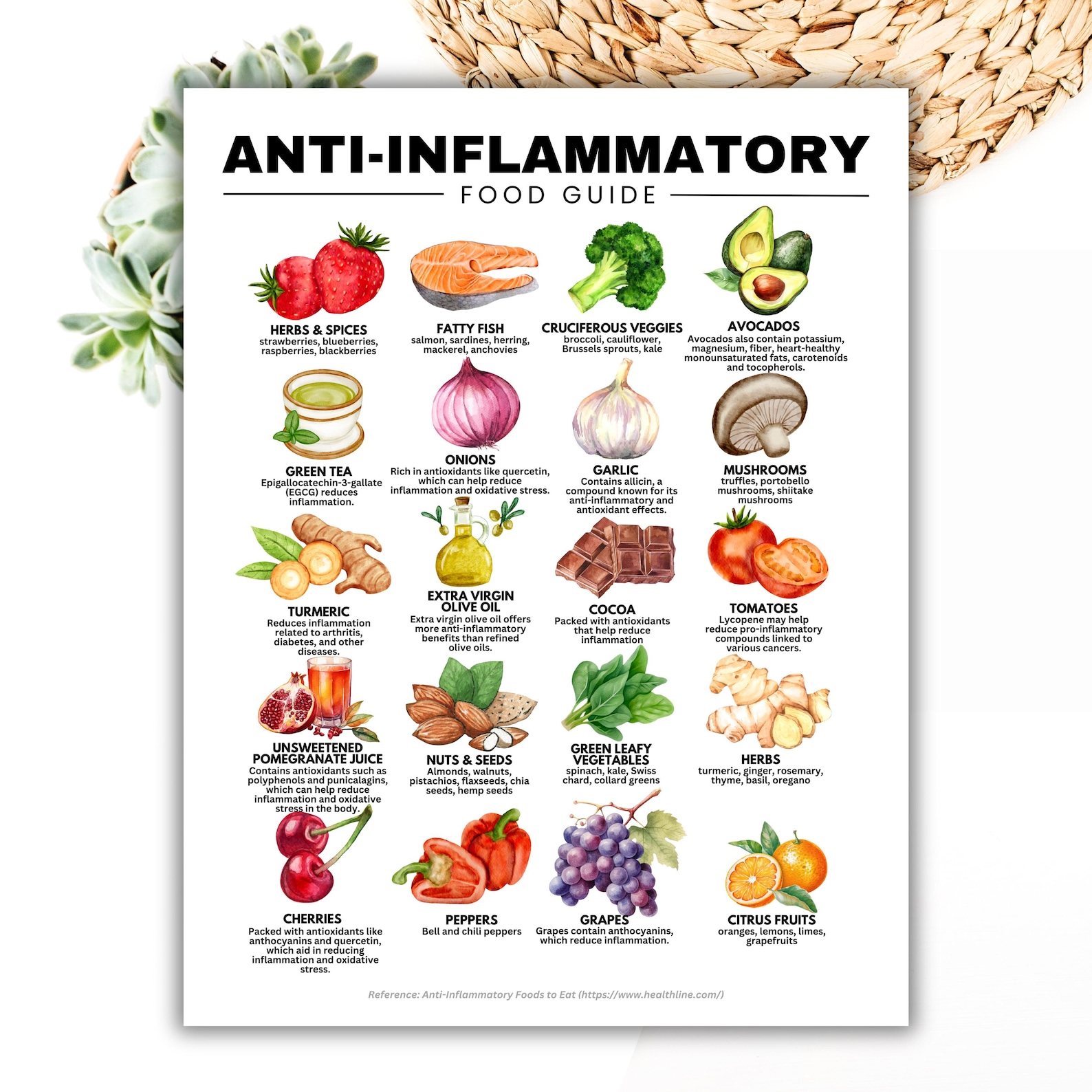
Your diet is one of the most powerful tools you have to manage inflammation. Certain foods can either exacerbate or alleviate inflammatory processes in the body. The key is to focus on whole, nutrient-dense foods that support gut health and reduce inflammation. Here are some essential dietary strategies:
1. Embrace Whole Foods
Whole foods, such as fruits, vegetables, lean proteins, and whole grains, are rich in antioxidants, fiber, and other nutrients that combat inflammation. Processed foods, on the other hand, often contain additives, refined sugars, and unhealthy fats that can promote inflammation.
2. Incorporate Anti-Inflammatory Foods
Foods high in omega-3 fatty acids, polyphenols, and probiotics are particularly effective at reducing inflammation. Examples include fatty fish like salmon, leafy greens, berries, and fermented foods such as yogurt and kimchi.
3. Limit Processed and Sugary Foods
Processed foods and those high in sugar can contribute to chronic inflammation. These foods often lack essential nutrients and can disrupt the balance of your gut microbiome.
Top Anti-Inflammatory Foods for Gut Health

Here are some of the most effective anti-inflammatory foods that support gut health and reduce inflammation:
1. Oily Fish
Oily fish like salmon, mackerel, and sardines are rich in omega-3 fatty acids, which have potent anti-inflammatory properties. They help reduce the production of pro-inflammatory molecules and support heart health.
2. Leafy Green Vegetables
Leafy greens such as spinach, kale, and arugula are packed with antioxidants, vitamins, and fiber. They help neutralize free radicals and protect cells from damage, while also promoting a healthy gut microbiome.
3. Berries
Berries are loaded with antioxidants, particularly anthocyanins, which give them their vibrant colors. These compounds help combat oxidative stress and reduce inflammation, making them excellent for gut health.
4. Fermented Foods
Fermented foods like yogurt, kefir, sauerkraut, and kimchi are rich in probiotics, which support a balanced gut microbiome. Probiotics help reduce inflammation and strengthen the intestinal barrier.
5. Pomegranate
Pomegranate is high in polyphenols, which have been shown to have anti-inflammatory and antioxidant effects. These compounds can help reduce the risk of chronic diseases and support gut health.
6. Nuts and Seeds
Nuts and seeds, such as walnuts and flaxseeds, are excellent sources of omega-3 fatty acids and fiber. They help reduce inflammation and support a healthy gut microbiome.
7. Turmeric
Turmeric contains curcumin, a compound known for its anti-inflammatory properties. It helps reduce inflammation and supports joint health, making it a valuable addition to an anti-inflammatory diet.
8. Ginger
Ginger has been used for centuries to soothe digestive issues and reduce inflammation. It contains gingerols and shogaols, which help limit inflammation and support gut health.
9. Green Tea
Green tea is rich in epigallocatechin gallate (EGCG), a powerful antioxidant that reduces inflammation and protects against oxidative stress. It also supports brain health and has anti-cancer benefits.
10. Human Milk Oligosaccharides (HMOs)
HMOs are specialized prebiotic compounds found in human breast milk. They support the growth of beneficial bacteria in the gut, which in turn produce short-chain fatty acids that reduce inflammation and strengthen the gut lining.
Practical Tips for Incorporating Anti-Inflammatory Foods
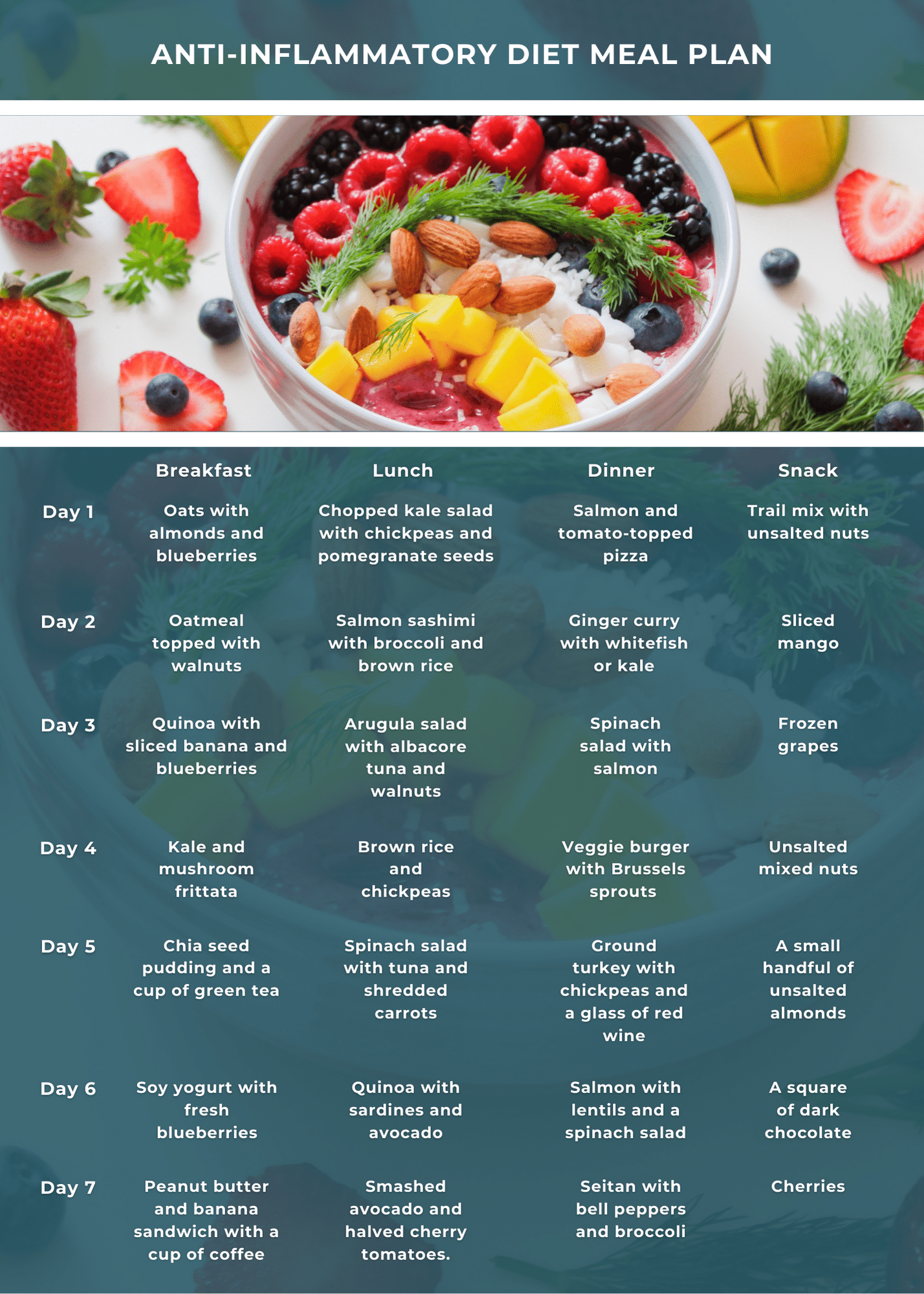
Incorporating these foods into your daily diet doesn’t have to be complicated. Here are some practical tips to help you get started:
- Start with small changes: Replace one processed food with a whole food each day. For example, swap a bag of chips for a handful of nuts.
- Experiment with recipes: Try new recipes that incorporate anti-inflammatory ingredients. Smoothies, salads, and soups are great ways to add variety to your meals.
- Stay consistent: Consistency is key when it comes to seeing results. Make small, sustainable changes that you can maintain over time.
- Monitor your progress: Keep track of how you feel after making dietary changes. You may notice improvements in digestion, energy levels, and overall well-being.
Conclusion
Functional anti-inflammatory gut support is a powerful way to improve your health and reduce the risk of chronic diseases. By focusing on whole, nutrient-dense foods and incorporating anti-inflammatory ingredients into your diet, you can create a balanced gut environment that supports overall wellness. Remember, the journey to a healthier gut is about consistency and making informed choices. With the right approach, you can experience the benefits of a healthier, more balanced lifestyle.

Post a Comment for "The Ultimate Guide to Functional Anti-Inflammatory Gut Support"
Post a Comment