The Ultimate Guide to Full Spectrum Light Therapy Lamps: Benefits, Uses, and How to Choose the Right One

If you’ve ever felt sluggish during the winter months or struggled with sleep patterns, you’re not alone. Many people experience a dip in energy and mood when daylight hours decrease. Enter full spectrum light therapy lamps—devices designed to mimic natural sunlight and help regulate your body's internal clock. In this guide, we’ll explore what these lamps are, how they work, their benefits, and how to choose the right one for your needs.
What Is a Full Spectrum Light Therapy Lamp?
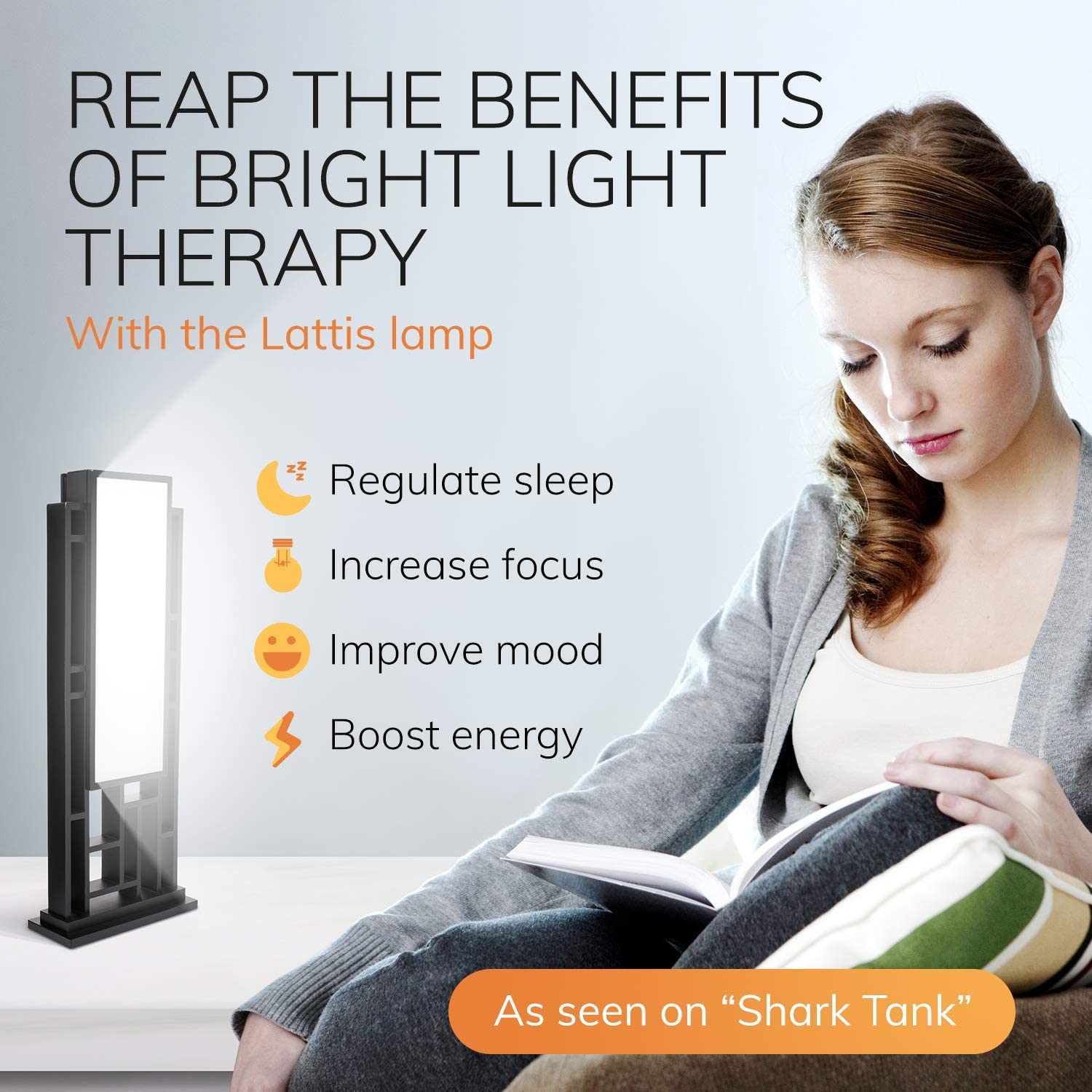
A full spectrum light therapy lamp is a device that emits light across the entire visible spectrum, similar to natural sunlight. These lamps typically produce around 10,000 lux of light, which is significantly brighter than typical indoor lighting. The key feature of these lamps is their ability to emit blue light wavelengths that activate melanopsin, a photopigment in the eyes responsible for regulating circadian rhythms.
Unlike red light therapy, which targets specific wavelengths for cellular healing, full spectrum light therapy focuses on simulating the effects of natural sunlight. This makes it particularly useful for managing conditions like seasonal affective disorder (SAD), jet lag, and other circadian rhythm-related issues.
How Do Full Spectrum Light Therapy Lamps Work?
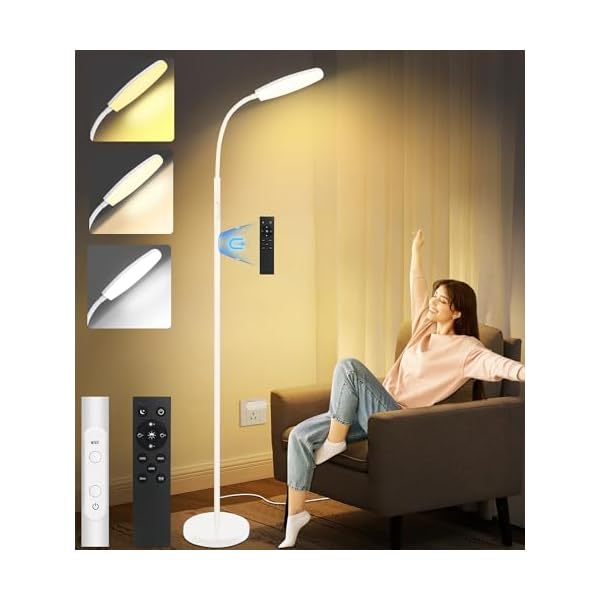
Full spectrum light therapy lamps work by exposing users to bright light that mimics the sun’s rays. This exposure helps regulate the body’s production of melatonin and serotonin—two hormones that play a crucial role in sleep and mood.
When you sit in front of a full spectrum light therapy lamp for a set period each day, your brain receives signals that it's daytime, even if it's dark outside. This can help reset your internal clock, improve alertness, and boost your overall mood.
According to Dr. Jamie M. Zeitzer, a professor at Stanford University, consistent use of these lamps over several weeks can lead to noticeable improvements in sleep patterns and mood. However, he emphasizes that light therapy isn’t a permanent solution—it requires regular use to maintain its benefits.
Benefits of Using a Full Spectrum Light Therapy Lamp
-
Improves Mood and Energy Levels
One of the most well-documented benefits of full spectrum light therapy is its ability to lift mood and increase energy. For individuals suffering from SAD, these lamps can be as effective as antidepressants, according to studies. -
Regulates Sleep Patterns
By simulating natural sunlight, these lamps help regulate your circadian rhythm, making it easier to fall asleep at night and wake up in the morning. -
Boosts Alertness and Focus
Morning use of a full spectrum light therapy lamp can help you feel more alert and focused throughout the day, especially during darker months. -
Reduces Symptoms of Seasonal Depression
Research has shown that light therapy can significantly reduce symptoms of seasonal depression, making it a valuable tool for those who struggle with the "winter blues." -
Supports Overall Well-Being
Beyond treating specific conditions, many users report feeling more energized and emotionally balanced after incorporating light therapy into their daily routine.
Common Uses of Full Spectrum Light Therapy Lamps
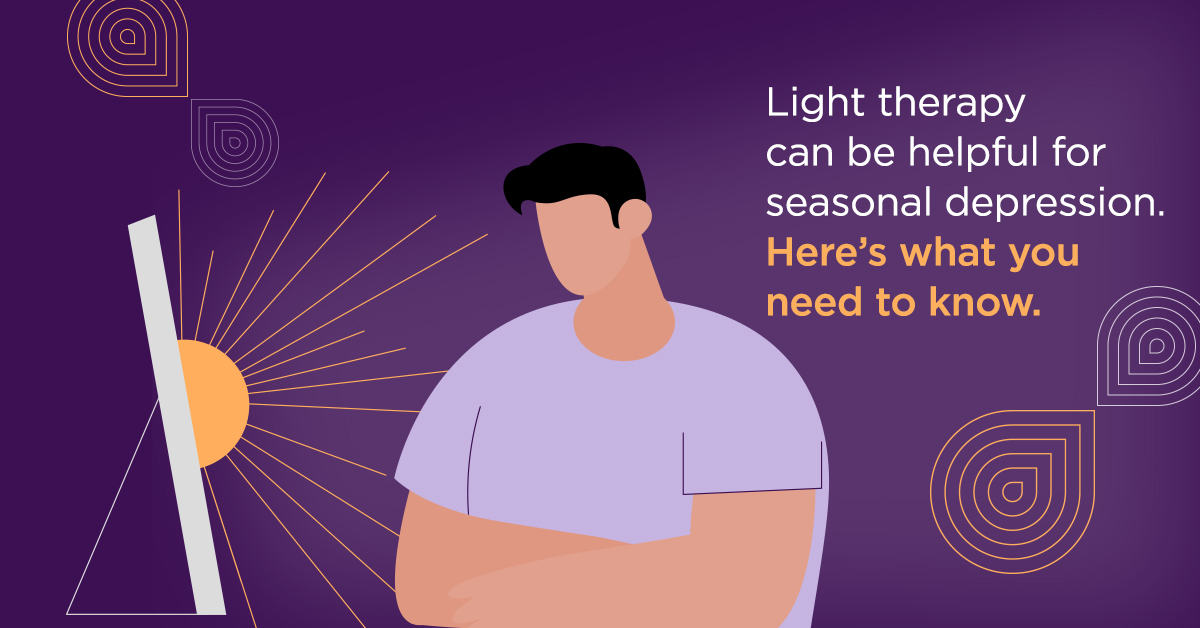
- Seasonal Affective Disorder (SAD): The most common use of these lamps is to treat SAD, a type of depression that occurs during the winter months.
- Jet Lag: Travelers can use these lamps to adjust their internal clocks when crossing time zones.
- Shift Work: People who work irregular hours, such as night shifts, can benefit from using a light therapy lamp to stay alert and maintain a healthy sleep schedule.
- Sleep Disorders: Individuals with insomnia or other sleep issues may find relief through regular exposure to full spectrum light.
- General Wellness: Even without a diagnosed condition, many people use these lamps to improve their mood and energy levels.
How to Choose the Right Full Spectrum Light Therapy Lamp
Selecting the right full spectrum light therapy lamp involves considering several factors:
-
Light Intensity (Lux)
The most important factor is the lamp’s light intensity. For therapeutic use, the lamp should emit at least 10,000 lux of light. This level of brightness is necessary to effectively stimulate the brain’s response to light. -
Size and Design
Larger lamps often provide more even light coverage, allowing you to sit farther away while still receiving the benefits. However, smaller models may be more portable and easier to place in a room. -
Brightness Settings
Some lamps offer multiple brightness levels, allowing you to customize your experience based on your comfort and needs. -
Color Temperature
The color temperature of the light affects how it feels. Warmer tones (around 3,000 K) are more relaxing, while cooler tones (around 6,500 K) are more energizing. -
Portability and Convenience
If you travel frequently, look for a lamp that is compact and easy to carry. Some models come with built-in timers or alarm functions, which can be convenient for daily use. -
Price and Warranty
While some lamps can be quite expensive, there are affordable options available that still meet the necessary therapeutic standards. Be sure to check the warranty and customer support options before purchasing.
Top Recommended Models

After testing various models, here are some of the best full spectrum light therapy lamps available:
- Verilux HappyLight Light Therapy Lamp: A user-friendly option with two brightness settings and a long cord for easy placement.
- Northern Light Technologies Boxelite: Ideal for those who need a larger light surface and want to integrate the lamp into their morning routine.
- Lumie Mini Light Therapy Lamp: A compact and easy-to-use model perfect for small spaces.
- Philips SmartSleep Wake-Up Light: Combines an alarm clock with a light therapy function for a gentle morning wake-up.
- Erligpowht Light Therapy Lamp: Great for travel, with timer settings and adjustable brightness levels.
- Verilux HappyLight Duo: A floor lamp that offers flexibility with multiple brightness and warmth settings.
Each of these models has unique features that cater to different lifestyles and preferences.
Tips for Using a Full Spectrum Light Therapy Lamp
- Consistency is Key: Use the lamp at the same time each day for optimal results.
- Follow Guidelines: Most experts recommend sitting in front of the lamp for 20–30 minutes each day.
- Avoid Direct Eye Contact: While the lamps are safe, avoid looking directly into the light to prevent eye strain.
- Adjust Brightness: Start with a lower setting and gradually increase as needed.
- Combine with Other Practices: For best results, pair light therapy with good sleep hygiene and a healthy lifestyle.
Final Thoughts
Full spectrum light therapy lamps are a powerful tool for improving mood, energy, and sleep quality. Whether you're dealing with seasonal depression, jet lag, or simply want to feel more alert during the darker months, these devices can make a significant difference. By understanding how they work and choosing the right model for your needs, you can harness the power of light to enhance your overall well-being. With consistent use and proper care, a full spectrum light therapy lamp can become an essential part of your daily routine.

Post a Comment for "The Ultimate Guide to Full Spectrum Light Therapy Lamps: Benefits, Uses, and How to Choose the Right One"
Post a Comment