The Science Behind Light Therapy for Anti-Aging Benefits
Light therapy, particularly red light therapy (RLT), has emerged as a promising tool in the quest for anti-aging solutions. This non-invasive treatment uses specific wavelengths of light to stimulate cellular activity, promoting healing and rejuvenation. As more people seek natural alternatives to traditional skincare routines, understanding the science behind RLT can help demystify its benefits and potential.
At the heart of red light therapy is the concept of photobiomodulation, which involves the use of low-level laser or LED light to penetrate the skin and interact with cells. This interaction triggers a series of biological responses that can enhance cellular function, reduce inflammation, and promote collagen production. These effects are crucial for maintaining youthful skin and combating the visible signs of aging.
The primary wavelength used in RLT is around 630-660 nanometers, which is absorbed by mitochondria within the cells. This absorption leads to increased ATP (adenosine triphosphate) production, the energy currency of cells, thereby enhancing cellular metabolism and repair processes. As a result, skin cells can regenerate more efficiently, leading to improved skin texture and reduced appearance of wrinkles.
Moreover, research indicates that red light therapy can stimulate fibroblasts, the cells responsible for producing collagen and elastin. These proteins are essential for maintaining skin elasticity and firmness. By increasing their production, RLT can help reduce the appearance of fine lines and wrinkles, contributing to a more youthful complexion.
In addition to its role in collagen synthesis, RLT also promotes blood circulation, which can enhance the delivery of nutrients and oxygen to the skin. Improved circulation not only supports skin health but also helps in the removal of waste products from the cells, further contributing to a healthier, more vibrant complexion.
While the science behind RLT is compelling, it's important to note that individual results may vary. Consistency in treatment is key, as the benefits of light therapy often require regular use over time. Understanding the mechanisms of RLT empowers individuals to make informed decisions about their skincare routines, allowing them to harness the potential of this innovative treatment for anti-aging purposes. 
How Red Light Therapy Works on the Skin

Red light therapy operates through a process known as photobiomodulation, where specific wavelengths of light penetrate the skin and interact with the cells. This interaction stimulates mitochondrial activity, leading to an increase in ATP production. As a result, cells receive the energy they need to function optimally, which can enhance cellular repair and regeneration.
The primary wavelengths used in red light therapy range from 630 to 660 nanometers, which are particularly effective at penetrating the skin's layers. These wavelengths are absorbed by the mitochondria, the powerhouses of the cells, initiating a cascade of biochemical reactions that promote healing and tissue repair. This process not only aids in the reduction of inflammation but also encourages the production of collagen and elastin, which are vital for maintaining skin elasticity and firmness.
Furthermore, red light therapy can improve blood circulation, which plays a crucial role in delivering essential nutrients and oxygen to the skin cells. Enhanced circulation can lead to a more even skin tone and a healthier complexion. It also helps in the removal of toxins and waste products, contributing to overall skin health.
Research has shown that consistent use of red light therapy can lead to significant improvements in skin texture, tone, and elasticity. For instance, studies have demonstrated that individuals using RLT regularly experience a reduction in the appearance of fine lines and wrinkles, along with an improvement in skin hydration levels. These findings highlight the potential of red light therapy as a powerful tool in the fight against aging.
By understanding how red light therapy works on the skin, individuals can appreciate its benefits and incorporate it into their skincare routines effectively. With proper application and consistency, RLT can be a valuable ally in achieving a more youthful and radiant complexion.
Key Benefits of Red Light Therapy for Anti-Aging

Red light therapy offers a multitude of benefits that contribute to anti-aging efforts, making it a popular choice among skincare enthusiasts. One of the most notable advantages is its ability to stimulate collagen production. Collagen is a protein that provides structure and elasticity to the skin. As we age, our bodies produce less collagen, leading to the formation of wrinkles and sagging skin. By using red light therapy, individuals can encourage the production of new collagen, resulting in firmer, more youthful-looking skin.
Another significant benefit is the reduction of inflammation. Chronic inflammation can accelerate the aging process and contribute to various skin conditions. Red light therapy has been shown to decrease inflammatory markers, helping to soothe the skin and promote healing. This anti-inflammatory effect can be particularly beneficial for those dealing with acne, rosacea, or other inflammatory skin issues.
Additionally, red light therapy enhances blood circulation, which is essential for delivering nutrients and oxygen to the skin cells. Improved circulation can lead to a more vibrant complexion and a healthier skin tone. It also aids in the removal of toxins and waste products, further supporting skin health.
Moreover, the therapy can help in the repair of damaged skin cells. Studies have indicated that red light therapy can activate the body’s natural repair processes, potentially reversing some of the visible signs of aging. This makes it an effective treatment for those looking to rejuvenate their skin and achieve a more youthful appearance.
In summary, the combination of increased collagen production, reduced inflammation, improved circulation, and enhanced cell repair makes red light therapy a powerful tool in the pursuit of anti-aging benefits. Its versatility and effectiveness have made it a favored option for many seeking to maintain healthy, radiant skin.
Practical Applications and Real-Life Examples

Incorporating red light therapy into daily skincare routines can yield remarkable results when done consistently. Many users report noticeable improvements in their skin's texture and appearance after several weeks of regular use. For example, a study published in the Journal of Clinical and Aesthetic Dermatology found that participants who used red light therapy devices for 15 minutes twice a week experienced a significant reduction in fine lines and wrinkles. This real-world application highlights the potential of RLT as a viable alternative to more invasive treatments.
To maximize the benefits of red light therapy, it's essential to follow a structured routine. Begin by cleansing your face to ensure the light can penetrate effectively. Then, apply the device for 10-20 minutes, ideally in the morning or evening. It's important to maintain consistency, as the effects of RLT often build up over time. Users should also consider combining RLT with other skincare products, such as moisturizers or serums, to enhance the overall effectiveness of their regimen.
For instance, one user shared their experience of using a red light therapy mask alongside a vitamin C serum. They noticed a marked improvement in their skin's brightness and texture, attributing much of this to the synergistic effects of both treatments. Another individual reported that integrating RLT into their nightly routine helped reduce the appearance of acne scars and improved their overall skin tone.
It's also worth noting that different devices may offer varying levels of efficacy. Some users prefer handheld devices for targeted treatment, while others opt for full-face masks for a more comprehensive approach. Experimenting with various options can help individuals find what works best for their specific skin concerns.
Ultimately, the practical applications of red light therapy extend beyond just aesthetic benefits; they can also contribute to a healthier lifestyle. By incorporating this therapy into daily routines, individuals can take proactive steps toward maintaining youthful, radiant skin while enjoying the convenience of at-home treatments.
Choosing the Right Red Light Therapy Device
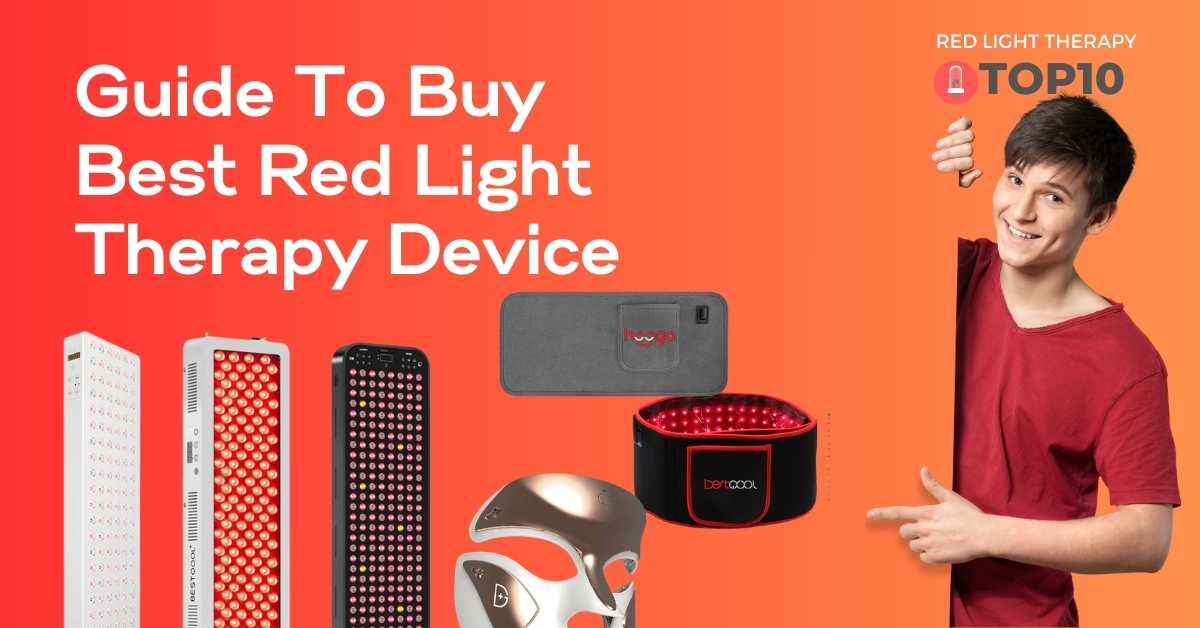
Selecting the right red light therapy device is crucial for maximizing its benefits and ensuring a safe, effective experience. With numerous options available on the market, it's essential to consider several factors before making a purchase. First and foremost, the wavelength of the light emitted by the device is a critical factor. Red light therapy typically utilizes wavelengths between 630-660 nanometers, which are most effective for stimulating cellular activity and promoting collagen production. Ensure that the device you choose falls within this range to reap the full benefits of the therapy.
Next, the intensity of the light is another important consideration. Devices with higher irradiance levels can deliver more potent treatments, but it's essential to balance this with safety. Overly intense light can cause discomfort or even damage to the skin, so it's advisable to look for devices that have been tested and certified for safety. Additionally, consider the size and design of the device. Full-face masks may be more convenient for treating larger areas of the skin, while handheld units allow for targeted treatment of specific concerns.
User reviews and testimonials can also provide valuable insights into the effectiveness of a particular device. Reading about others' experiences can help you gauge the potential outcomes and any possible drawbacks. Furthermore, it's wise to check the warranty and customer support offered by the manufacturer, as this can provide peace of mind and assistance if any issues arise.
Lastly, consider the cost and value for money. While some devices may be more expensive, they might offer additional features or superior performance. Always weigh the initial investment against the long-term benefits and potential savings from avoiding more costly treatments. By carefully evaluating these factors, you can choose a red light therapy device that aligns with your skincare goals and needs.

Post a Comment for "The Science Behind Light Therapy for Anti-Aging Benefits"
Post a Comment