The Science-Backed Benefits of GHK-Cu Peptide for Healthy, Radiant Skin
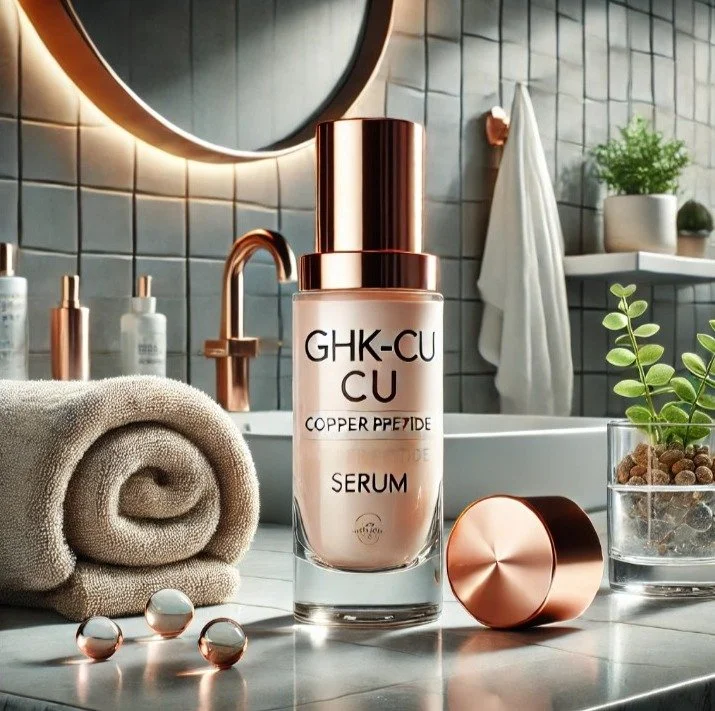
In the ever-evolving world of skincare, new ingredients often emerge with bold claims. One such ingredient that has gained significant attention is GHK-Cu, a copper peptide complex that promises to deliver a range of skin benefits. From reducing wrinkles and improving skin elasticity to promoting hair growth and healing wounds, GHK-Cu has become a popular choice among those seeking to maintain youthful, healthy skin. But what exactly is GHK-Cu, and how does it work? This article explores the science behind GHK-Cu, its potential benefits, and what you need to know before incorporating it into your skincare routine.
What Is GHK-Cu?
GHK-Cu, or glycyl-histidyl-lysine copper, is a tripeptide that naturally occurs in the human body. It was first discovered in 1973 by Dr. Loren Pickart, who found that it could stimulate liver cells to produce proteins more characteristic of younger tissue. Over time, researchers have uncovered additional functions of GHK-Cu, including its ability to modulate various cellular processes.
The name "GHK-Cu" refers to the combination of the tripeptide GHK (glycyl-histidyl-lysine) and copper (Cu). This complex is known for its strong affinity for copper, which allows it to form a stable structure that can be utilized in various applications, particularly in skincare products.
How Does GHK-Cu Work?
GHK-Cu works by interacting with different types of cells in the body, including fibroblasts, keratinocytes, and immune cells. These interactions are responsible for many of the peptide's beneficial effects on the skin. For instance, GHK-Cu has been shown to:
- Stimulate collagen production: Collagen is a vital protein that provides structure and elasticity to the skin. As we age, collagen production decreases, leading to wrinkles and sagging skin. GHK-Cu helps to boost collagen synthesis, which can improve skin texture and firmness.
- Enhance wound healing: GHK-Cu has been found to accelerate the healing process by promoting the formation of new blood vessels and supporting the regeneration of damaged tissues.
- Reduce inflammation: The peptide has anti-inflammatory properties that can help soothe irritated skin and reduce redness.
- Protect against oxidative stress: GHK-Cu acts as an antioxidant, neutralizing free radicals that can damage skin cells and contribute to aging.
These mechanisms make GHK-Cu a versatile ingredient that can address a variety of skin concerns, from aging to acne and beyond.
The Skin Benefits of GHK-Cu
1. Anti-Aging Effects
One of the most well-known benefits of GHK-Cu is its ability to combat the signs of aging. Studies have shown that GHK-Cu can help reduce the appearance of fine lines and wrinkles, improve skin elasticity, and enhance overall skin texture. A 2018 review highlighted that topical application of GHK-Cu led to significant improvements in skin density, thickness, and firmness, making it a valuable addition to any anti-aging skincare regimen.
2. Wound Healing and Tissue Repair
GHK-Cu has been extensively studied for its wound-healing properties. Research indicates that it can accelerate the healing of wounds by promoting the formation of granular tissue and enhancing the activity of antioxidant enzymes. In animal studies, GHK-Cu has been shown to improve wound contraction and support the regeneration of damaged skin. This makes it an excellent option for those dealing with cuts, burns, or other skin injuries.
3. Hair Growth and Thickness
While primarily known for its skincare benefits, GHK-Cu also has potential applications in promoting hair growth. Studies suggest that it can stimulate fibroblasts and support the formation of new blood vessels, which are essential for healthy hair growth. Additionally, GHK-Cu may help inhibit the shrinkage of hair follicles, potentially leading to thicker, healthier hair.
4. Reducing Hyperpigmentation and Skin Damage
GHK-Cu has been found to be effective in reducing hyperpigmentation, such as dark spots and melasma. Its ability to promote the repair of the skin’s protective barrier and enhance collagen synthesis can lead to a more even skin tone and improved skin health. Furthermore, GHK-Cu has been shown to protect the skin from UV radiation, making it a valuable ingredient for sun protection.
5. Anti-Inflammatory Properties
Inflammation is a common cause of various skin conditions, including acne, eczema, and rosacea. GHK-Cu's anti-inflammatory effects can help soothe irritated skin and reduce redness. By modulating inflammatory pathways, GHK-Cu can provide relief for those suffering from chronic skin issues.
Safety and Side Effects
GHK-Cu is generally considered safe for use in skincare products. However, like any active ingredient, it can cause side effects in some individuals. Common side effects include mild redness, itching, or irritation at the application site. It is important to perform a patch test before using GHK-Cu products to ensure that you do not have an allergic reaction.
There are also some considerations to keep in mind when using GHK-Cu. For example, while it is safe for most people, individuals with certain medical conditions, such as Wilson's disease, should exercise caution due to the presence of copper in the peptide. Additionally, those with active or suspected cancer should consult their healthcare provider before using GHK-Cu, as it may have the potential to promote angiogenesis (the formation of new blood vessels).
Incorporating GHK-Cu Into Your Skincare Routine
If you're interested in trying GHK-Cu, there are several ways to incorporate it into your skincare routine. Topical products containing GHK-Cu, such as serums and creams, are widely available and can be applied directly to the skin. For more targeted treatment, prescription injectable forms of GHK-Cu are also available, though they require a consultation with a healthcare provider.
When using GHK-Cu products, it's important to follow the instructions provided by the manufacturer. Start with a small amount and gradually increase usage as needed. It's also advisable to avoid combining GHK-Cu with other harsh actives, as this can lead to irritation or reduce the effectiveness of the peptide.
Conclusion
GHK-Cu is a powerful peptide with a wide range of benefits for the skin. From its anti-aging properties to its ability to promote wound healing and reduce inflammation, GHK-Cu offers a natural and effective solution for maintaining healthy, radiant skin. While it is generally safe, it's important to be aware of potential side effects and to consult with a healthcare provider if you have any underlying medical conditions.
As research continues to uncover the full potential of GHK-Cu, it's clear that this peptide has a promising future in the world of skincare. Whether you're looking to combat the signs of aging, improve skin texture, or support overall skin health, GHK-Cu is a worthy addition to your skincare routine. With its scientifically backed benefits and growing popularity, GHK-Cu is poised to remain a key player in the quest for healthy, beautiful skin.

Post a Comment for "The Science-Backed Benefits of GHK-Cu Peptide for Healthy, Radiant Skin"
Post a Comment