The Heart Health Benefits of Zone 2 Exercise: What You Need to Know
If you've ever felt exhausted after a high-intensity workout or struggled to maintain consistency with your fitness routine, it might be time to reconsider your approach. Enter Zone 2 exercise — a steady-state aerobic workout that's gaining attention for its remarkable benefits, especially when it comes to heart health. Whether you're an athlete or simply looking to improve your overall well-being, understanding Zone 2 can transform how you think about cardio and its long-term impact on your body.
What Is Zone 2 Exercise?

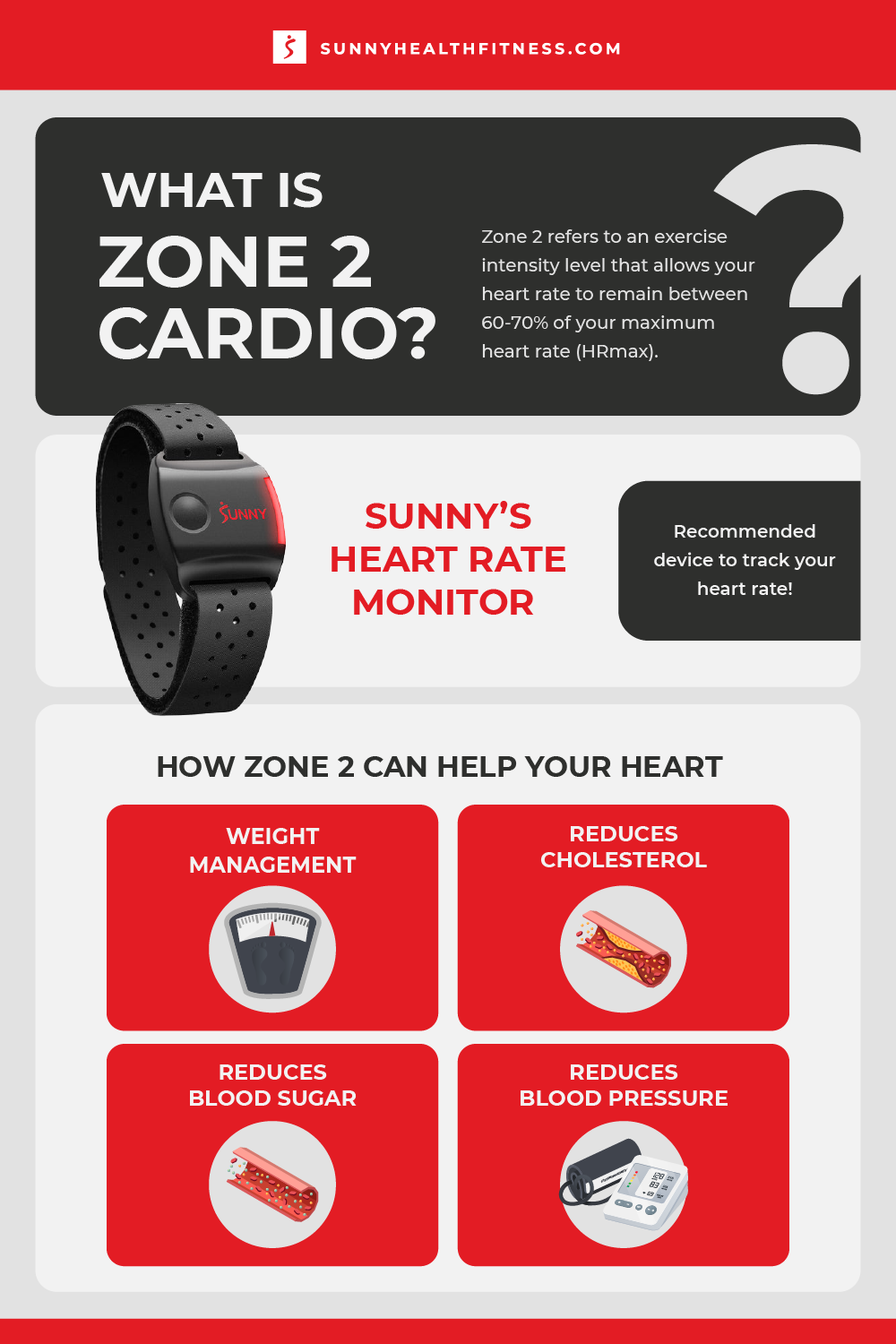
Zone 2 exercise refers to a type of low-to-moderate intensity cardiovascular activity where your heart rate remains between 60 to 70 percent of your maximum heart rate (HR max). This range is often described as the "Goldilocks zone" — not too easy, but not so intense that it leaves you breathless or depleted. According to Melissa Kendter, a certified personal trainer and UESCA-certified run coach, this is the sweet spot where your body efficiently uses oxygen and fat as fuel while still working hard enough to build endurance and improve performance.
For many, Zone 2 feels like a walk in the park, but it’s anything but easy. “You should be able to hold a conversation during Zone 2 training,” Kendter explains. “You shouldn’t be gasping for air.” This means you can still speak in full sentences, though you may feel slightly breathy. It’s a perfect balance between effort and recovery, making it ideal for consistent, sustainable workouts.
Why Zone 2 Matters for Heart Health
The American Heart Association emphasizes that regular physical activity is one of the most effective ways to improve heart health. Zone 2 exercise, in particular, offers unique advantages due to its focus on aerobic capacity, mitochondrial efficiency, and long-term cardiovascular endurance.
1. Strengthens the Cardiovascular System
When you train in Zone 2, your heart works to pump blood more efficiently throughout your body. Over time, this strengthens the heart muscle, improves circulation, and enhances your ability to deliver oxygen to your muscles. According to Dr. Martha Gulati, a cardiologist specializing in women’s heart disease, “Zone 2 builds a strong aerobic base, which ultimately makes you a better athlete and improves your overall heart function.”
2. Lowers Risk of Heart Disease
Moderate-intensity aerobic activity has been shown to reduce risk factors for heart disease, including high blood pressure, elevated cholesterol levels, and poor blood sugar control. By consistently training in Zone 2, you help regulate these factors, which can significantly lower your chances of developing heart-related conditions.
3. Improves Mitochondrial Function
Mitochondria are the powerhouses of your cells, responsible for producing energy. Zone 2 exercise stimulates the growth and efficiency of mitochondria, allowing your body to generate more energy from oxygen and fat. This not only boosts your stamina but also supports overall metabolic health.
How Zone 2 Enhances Performance

While Zone 2 is often associated with low-intensity workouts, it plays a crucial role in improving endurance, power output, and recovery. Here’s how:
1. Builds Aerobic Base
Consistently training in Zone 2 helps develop your aerobic base, which is the foundation for all other forms of physical activity. A stronger aerobic base allows you to perform at higher intensities with less fatigue, whether you’re running, cycling, swimming, or even lifting weights.
2. Increases Endurance
By training in Zone 2, you teach your body to use oxygen more efficiently, which translates to longer, more sustained workouts. As Kendter notes, “The more volume you have in Zone 2, the longer you’ll be able to run, swim, or bike without feeling winded.”
3. Boosts Recovery
Zone 2 workouts are less taxing on the body than high-intensity sessions, which means they’re easier to recover from. This makes them ideal for active recovery days, helping you stay consistent without risking burnout or injury.
Practical Tips for Incorporating Zone 2 Into Your Routine

Getting started with Zone 2 doesn’t require any special equipment or expertise. Here are some practical tips to help you integrate this type of training into your weekly routine:
1. Use a Heart Rate Monitor
The most accurate way to ensure you’re in Zone 2 is by tracking your heart rate. Aim for 60 to 70% of your HR max. For women, Dr. Gulati recommends using the formula:
206 - (0.88 × age) = HR max.
Then calculate 60–70% of that number to find your Zone 2 range.
2. Try the Talk Test
If you don’t have a heart rate monitor, use the talk test. If you can speak in full sentences without gasping for breath, you’re likely in Zone 2. If you struggle to talk, you may be pushing too hard.
3. Choose Activities You Enjoy
Zone 2 isn’t just for runners or cyclists. You can do it through walking, hiking, swimming, rowing, or even rollerblading. The key is to choose an activity that keeps your heart rate steady and your effort manageable.
4. Start Small and Build Up
Begin with 20- to 30-minute sessions and gradually increase the duration as your fitness improves. Aim for 2 to 3 sessions per week to see meaningful results.
Zone 2 vs. High-Intensity Workouts
Many people gravitate toward high-intensity workouts like HIIT or sprint intervals because they promise quick results. While these methods can be effective, they come with risks such as overtraining, injury, and burnout. Zone 2, on the other hand, offers a sustainable alternative that supports long-term fitness goals.
Key Differences:
- High-Intensity (Zones 3–5): Short bursts of effort that rely heavily on carbohydrates for fuel. These workouts are great for building speed and power but can be taxing on the body.
- Zone 2: Steady-state activity that focuses on fat utilization and aerobic efficiency. It’s ideal for building endurance, improving recovery, and maintaining consistency.
As Taylor Samale, a senior health fitness coordinator at Houston Methodist, puts it: “Zone 2 is the best cardio intensity for most people. You get all the health benefits without the fatigue and soreness that come with high-intensity training.”
Conclusion
Zone 2 exercise is more than just a trend — it’s a scientifically supported method for improving heart health, enhancing performance, and building long-term fitness. Whether you’re an elite athlete or someone just starting out, incorporating Zone 2 into your routine can make a world of difference. By focusing on steady, moderate-intensity workouts, you’ll not only protect your heart but also create a solid foundation for all other aspects of your fitness journey.
So, the next time you lace up your shoes or hop on the treadmill, remember: sometimes, going slow is the fastest way to get ahead.

Post a Comment for "The Heart Health Benefits of Zone 2 Exercise: What You Need to Know"
Post a Comment