Natural Ways to Heal Gut Inflammation: Effective Remedies and Lifestyle Changes
Gut inflammation is a silent but significant contributor to chronic illness, impacting everything from digestion to immunity and even mental health. In the United States, where processed foods and stress are rampant, many people suffer from undiagnosed gut issues that can lead to long-term health complications. However, the good news is that healing gut inflammation naturally is entirely possible through targeted dietary and lifestyle changes. This article will guide you through proven strategies to reduce inflammation, support your gut microbiome, and restore overall wellness.

Understanding the Root of Gut Inflammation
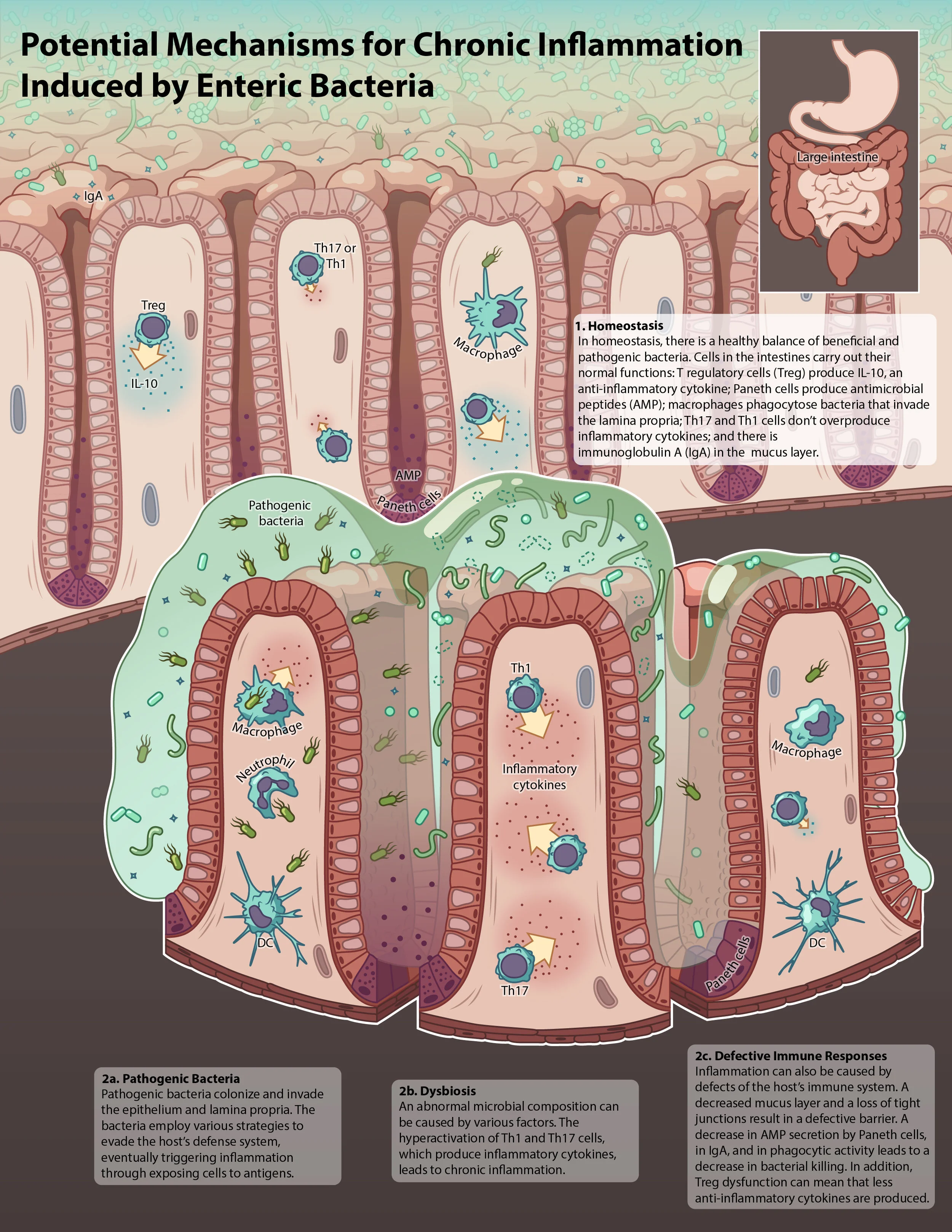
Chronic gut inflammation often stems from an imbalance in the gut microbiome—the community of bacteria, fungi, and other microorganisms living in your digestive tract. When this ecosystem is disrupted, it can lead to conditions like leaky gut syndrome, where harmful substances seep into the bloodstream, triggering immune responses and systemic inflammation. Common culprits include poor diet, stress, lack of sleep, and overuse of antibiotics.
Modern lifestyles have made these factors more prevalent than ever. Processed foods high in sugar, gluten, and industrialized fats, combined with sedentary habits and chronic stress, create a perfect storm for gut inflammation. The key to healing lies in addressing these root causes and nurturing your gut's natural defenses.
1. Eliminate Inflammatory Foods

One of the most effective ways to reduce gut inflammation is to remove or reduce the consumption of inflammatory foods. These include:
- Gluten: Found in wheat, barley, and rye, gluten can irritate the gut lining and contribute to leaky gut.
- Dairy: Especially from cows, dairy products can be highly inflammatory due to hormones, antibiotics, and processing.
- Sugar and Refined Carbs: Excess sugar and processed carbohydrates feed harmful bacteria and promote inflammation.
- Industrialized Fats: Oils like canola, corn, and soybean are high in omega-6 fatty acids, which can trigger inflammation.
By cutting out these foods, you give your gut a chance to heal and rebalance its microbiome.
2. Incorporate Prebiotic and Probiotic-Rich Foods

Prebiotics and probiotics play a crucial role in maintaining a healthy gut. Prebiotics are non-digestible fibers that feed beneficial bacteria, while probiotics are live bacteria that help restore balance.
Good sources of prebiotics include: - Garlic - Onions - Asparagus - Bananas - Chicory root
Probiotic-rich foods such as: - Kefir - Yogurt (non-dairy options are ideal) - Sauerkraut - Kimchi - Miso
Adding these to your diet can enhance gut flora diversity, improve digestion, and reduce inflammation.
3. Eat a Diverse Range of Whole Foods

A varied diet is essential for a thriving gut microbiome. Eating a wide range of plant-based foods ensures your gut receives different nutrients and fiber types, which support various strains of beneficial bacteria.
Try to: - Include a rainbow of colorful vegetables - Experiment with new fruits and grains - Rotate your protein sources (e.g., legumes, nuts, seeds)
This approach not only supports gut health but also boosts overall nutrition and immunity.
4. Manage Stress Effectively

Stress is a major contributor to gut inflammation. Chronic stress can disrupt the gut-brain axis, leading to digestive issues, weakened immunity, and even mood disorders.
To manage stress: - Practice mindfulness meditation - Engage in regular physical activity - Prioritize relaxation techniques like deep breathing or yoga - Maintain a consistent sleep schedule
These practices help regulate the body’s stress response and protect gut health.
5. Prioritize Sleep and Exercise

Sleep and exercise are two pillars of gut health. During sleep, the body performs critical repair functions, including detoxification and cellular renewal. Poor sleep can lead to increased inflammation and gut dysbiosis.
Regular exercise, on the other hand, promotes healthy digestion, enhances microbial diversity, and reduces inflammation. Aim for at least 30 minutes of moderate activity five times a week.
Additional Natural Remedies for Gut Healing

Beyond diet and lifestyle, certain supplements and remedies can aid in healing gut inflammation:
- Turmeric: Contains curcumin, a powerful anti-inflammatory compound. Pair it with black pepper to enhance absorption.
- Aloe Vera: Soothes the digestive tract and reduces inflammation.
- L-Glutamine: Supports the gut lining and helps repair leaky gut.
- Zinc Carnosine: Reduces inflammation and supports the mucosal lining of the gut.
- Omega-3 Fatty Acids: Found in fish, flaxseeds, and chia seeds, they combat inflammation and support the microbiome.
- Saccharomyces Boulardii: A probiotic yeast that helps balance gut flora and prevent diarrhea.
These natural remedies can be used alongside dietary and lifestyle changes for optimal results.
Conclusion
Healing gut inflammation naturally is a journey that requires commitment, but the rewards are profound. By making informed choices about your diet, managing stress, prioritizing sleep, and incorporating gut-friendly supplements, you can significantly improve your overall health. Remember, your gut is the foundation of your well-being, and taking care of it is one of the most important steps you can take for a healthier, happier life.

Post a Comment for "Natural Ways to Heal Gut Inflammation: Effective Remedies and Lifestyle Changes"
Post a Comment