How to Use a Light Therapy Lamp for a Natural Mood Boost
Did you know that your mood and mental health are deeply connected to the amount of light you receive each day? Light exposure isn't just about seeing clearly—it plays a crucial role in regulating your body's internal clock, hormone production, and emotional well-being. For those who struggle with seasonal depression, low energy, or disrupted sleep, a light therapy lamp can be a powerful tool to restore balance and boost your mood naturally.
In this article, we'll explore how to use a light therapy lamp effectively, why it works, and how it can transform your daily life. Whether you're dealing with the winter blues, insomnia, or just feeling sluggish, this guide will help you harness the power of light to feel more energized and emotionally balanced.
What Is a Light Therapy Lamp?
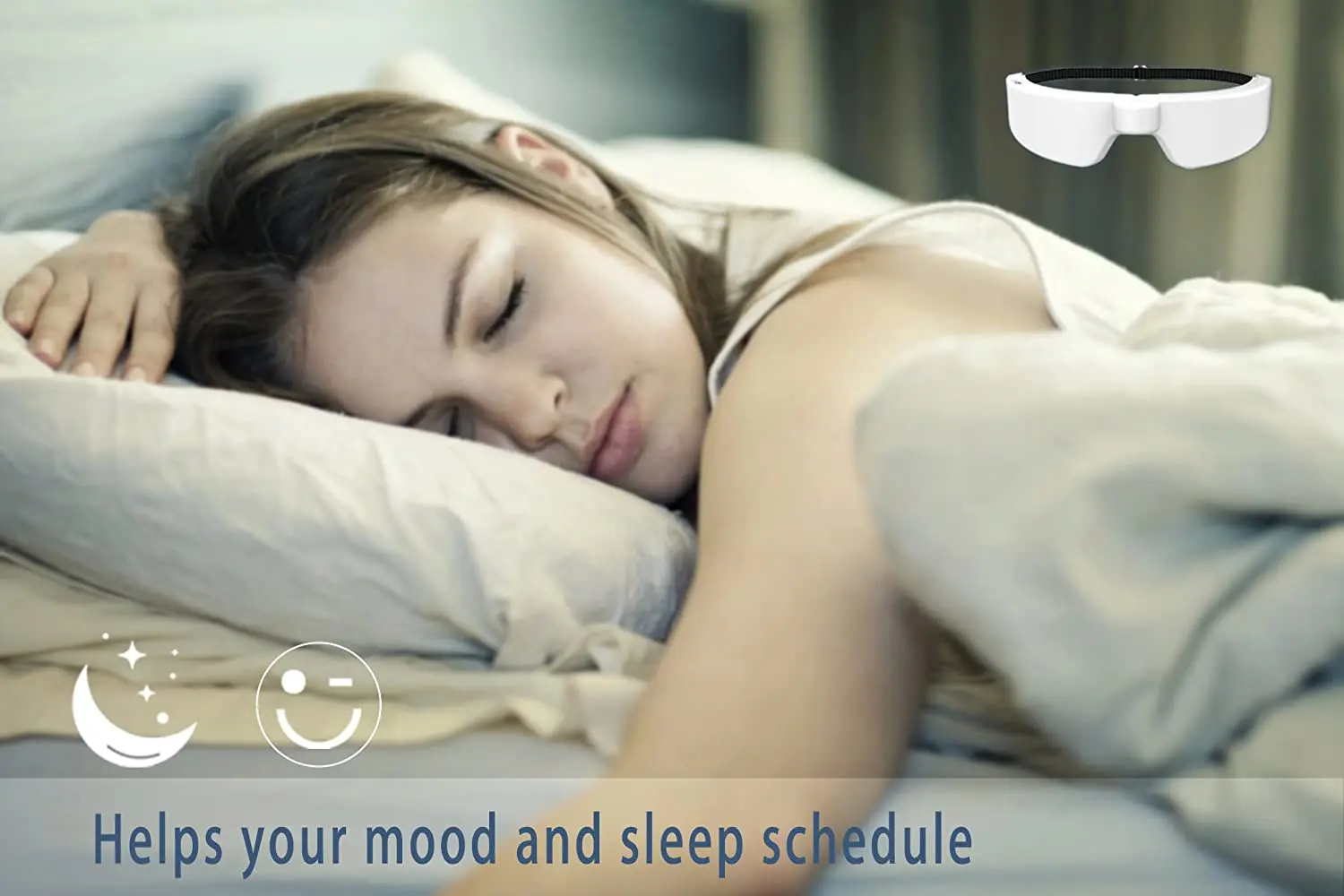
A light therapy lamp, also known as a light box or SAD (Seasonal Affective Disorder) lamp, is a device designed to mimic natural sunlight. It emits bright light at a specific intensity—typically 10,000 lux—to simulate the brightness of a sunny day. This type of light helps regulate your circadian rhythm, which is your body's internal clock that controls when you feel awake and when you feel sleepy.
These lamps are often used to treat seasonal depression, but they can also help with low energy, fatigue, and even sleep disorders. The key is to use them correctly and consistently to achieve the best results.
Why Light Therapy Works
The science behind light therapy is rooted in our biology. Our bodies are wired to respond to light, especially sunlight. When we get enough natural light, our brains release serotonin, a neurotransmitter associated with happiness and well-being. At the same time, light exposure helps regulate melatonin, the hormone that controls sleep.
During the winter months, when daylight is limited, many people experience a drop in serotonin levels, leading to symptoms of seasonal depression, such as fatigue, irritability, and difficulty concentrating. A light therapy lamp can help counteract these effects by providing the light your body needs to maintain healthy hormone levels and keep your mood stable.
According to research, light therapy has been shown to be as effective as antidepressants for treating seasonal depression, with fewer side effects. It’s a safe, non-invasive way to support your mental health without relying on medication.
How to Use a Light Therapy Lamp
Using a light therapy lamp is simple, but there are some key guidelines to follow for maximum effectiveness:
1. Choose the Right Lamp
Not all light therapy lamps are created equal. Look for a lamp that provides 10,000 lux of light and blocks UV rays. These specifications ensure that the lamp mimics natural sunlight and is safe for regular use. Some models also offer adjustable brightness settings, which can be helpful if you're new to light therapy.
2. Set a Consistent Time
For best results, use your lamp at the same time each day. Most people find that morning use is most effective, as it helps reset your circadian rhythm and boosts energy for the day ahead. Aim to use the lamp for 20–30 minutes each morning, ideally within an hour of waking up.
3. Position the Lamp Correctly
Place the lamp at eye level, about 16–24 inches away from your face. You don’t need to look directly at the light, but you should be able to see it in your peripheral vision. Sit comfortably and engage in a quiet activity, like reading or working on a computer, while the lamp does its job.
4. Be Patient
It may take a few days or even weeks to notice the full benefits of light therapy. Some people report feeling more alert and uplifted almost immediately, while others may need consistent use over several weeks to see significant improvements in mood and energy levels.
5. Avoid Overuse
While light therapy is generally safe, using it for too long or at the wrong time of day can disrupt your sleep cycle. Avoid using the lamp after 3 p.m., as it may interfere with your ability to fall asleep at night.
Benefits of Using a Light Therapy Lamp
Light therapy offers a range of benefits beyond just improving mood. Here are some of the key advantages:
- Boosts Energy Levels: Regular use can help combat fatigue and increase daytime alertness.
- Improves Sleep: By regulating your circadian rhythm, light therapy can help you fall asleep faster and wake up more refreshed.
- Reduces Symptoms of Seasonal Depression: Many users report significant improvements in their mood and overall well-being during the darker months.
- Supports Hormone Balance: Light exposure helps regulate the production of serotonin and melatonin, two hormones critical to mood and sleep.
- Enhances Focus and Concentration: Improved energy and mood can lead to better productivity and mental clarity.
Choosing the Right Light Therapy Lamp
With so many options available, selecting the right lamp can be overwhelming. Here are some factors to consider:
1. Light Intensity
As mentioned earlier, a 10,000 lux lamp is ideal for most users. This intensity closely matches the brightness of a sunny day and is clinically proven to be effective.
2. UV Blocking
Make sure the lamp filters out harmful UV rays. Prolonged exposure to UV light can damage your eyes and skin, so it's essential to choose a model with proper UV protection.
3. Adjustable Brightness
Some lamps offer multiple brightness settings, allowing you to customize your experience. This can be particularly useful if you're new to light therapy or have sensitive eyes.
4. Portability
If you travel frequently or need to use the lamp in different rooms, look for a compact, lightweight model that’s easy to move around.
5. Additional Features
Some lamps come with extra features like timers, alarm functions, or built-in speakers. These can enhance convenience and make it easier to stick to your routine.
Real-Life Examples and Success Stories
Many people have found relief from the winter blues and other mood-related issues through light therapy. One user shared how she started using a light therapy lamp in the mornings and noticed a dramatic improvement in her energy levels and overall mood. She no longer felt sluggish or irritable during the colder months and was able to stay productive and engaged throughout the day.
Another user, who struggled with insomnia, reported that using the lamp in the early evening helped her fall asleep faster and wake up feeling more rested. She found that the combination of light therapy and good sleep hygiene made a noticeable difference in her quality of life.
These stories highlight the real-world impact of light therapy and show how it can be a valuable addition to your wellness routine.
Tips for Maximizing the Effectiveness of Your Lamp
To get the most out of your light therapy lamp, consider the following tips:
- Combine with Other Healthy Habits: Pair light therapy with regular exercise, a balanced diet, and good sleep hygiene for optimal results.
- Track Your Progress: Keep a journal to note how you feel before and after using the lamp. This can help you identify patterns and adjust your routine as needed.
- Consult a Healthcare Professional: If you have any underlying health conditions or are taking medication, talk to your doctor before starting light therapy. They can provide personalized guidance and ensure it’s safe for you.
Conclusion
Light therapy is a simple, natural, and effective way to improve your mood, energy, and overall well-being. By understanding how to use a light therapy lamp properly and incorporating it into your daily routine, you can enjoy the benefits of brighter days even during the darkest months.
Whether you're struggling with seasonal depression, low energy, or disrupted sleep, a light therapy lamp can be a valuable tool in your journey toward better mental and physical health. With consistency and the right approach, you can harness the power of light to feel more balanced, energized, and happy.

Post a Comment for "How to Use a Light Therapy Lamp for a Natural Mood Boost"
Post a Comment