How Light Therapy Can Improve Your Sleep Cycles and Overall Health
In today’s fast-paced world, sleep often takes a backseat to work, social obligations, and screen time. Yet, the quality of your sleep directly impacts your mental clarity, emotional stability, and physical health. One of the most effective tools for restoring healthy sleep patterns is light therapy—a scientifically supported method that aligns with your body’s natural circadian rhythm. Whether you're dealing with jet lag, shift work, or simply inconsistent sleep habits, light therapy can be a game-changer. In this article, we’ll explore how light therapy works, its benefits for sleep cycles, and practical tips for integrating it into your daily routine.
Understanding Circadian Rhythms and Their Role in Sleep

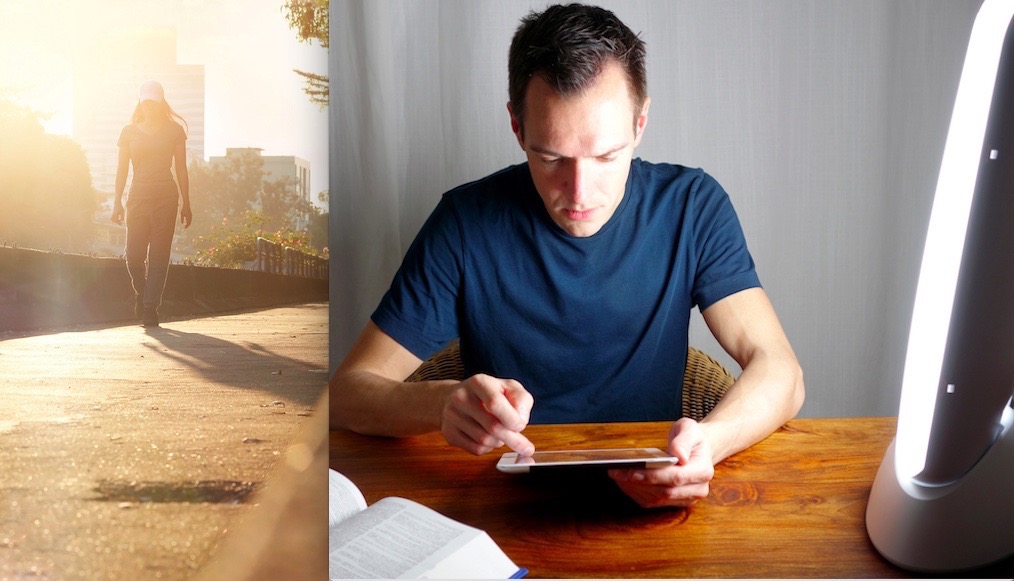
Your body operates on an internal clock known as the circadian rhythm, which regulates when you feel awake and when you feel sleepy. This 24-hour cycle is influenced by environmental cues, primarily light exposure. During the day, light signals your brain to stay alert, while darkness at night promotes the release of melatonin, the hormone responsible for sleepiness.
However, modern lifestyles often disrupt this natural balance. Artificial lighting, blue light from electronic devices, and irregular schedules can throw off your circadian rhythm, leading to insomnia, fatigue, and even long-term health issues like obesity and mood disorders. That’s where light therapy comes in—it helps reset your internal clock by mimicking the effects of natural sunlight.
How Light Therapy Works

Light therapy involves using a specialized light box that emits bright, full-spectrum light similar to sunlight. This light is typically around 10,000 lux, which is much brighter than standard indoor lighting. The therapy is most effective when used in the early morning hours, as this helps signal to your body that it's time to wake up and start the day.
The science behind light therapy is rooted in its ability to influence the production of serotonin and melatonin. Serotonin, often called the "feel-good" hormone, plays a key role in regulating mood and energy levels. Melatonin, on the other hand, helps regulate sleep-wake cycles. By exposing yourself to bright light in the morning, you can boost serotonin levels and suppress melatonin, making it easier to fall asleep at night.
Benefits of Light Therapy for Sleep

- Improves Sleep Quality: Light therapy helps regulate your sleep-wake cycle, making it easier to fall asleep and stay asleep throughout the night.
- Reduces Insomnia: For those struggling with chronic insomnia, light therapy can be an effective non-pharmacological solution.
- Helps with Jet Lag: Traveling across time zones can disrupt your circadian rhythm. Using light therapy before and after travel can help your body adjust more quickly.
- Supports Shift Workers: Night shift workers often struggle with sleep due to misaligned schedules. Light therapy can help them maintain a more consistent sleep pattern.
- Boosts Mood and Energy Levels: Exposure to bright light in the morning can improve mood, reduce symptoms of seasonal affective disorder (SAD), and increase daytime energy.
Practical Tips for Using Light Therapy
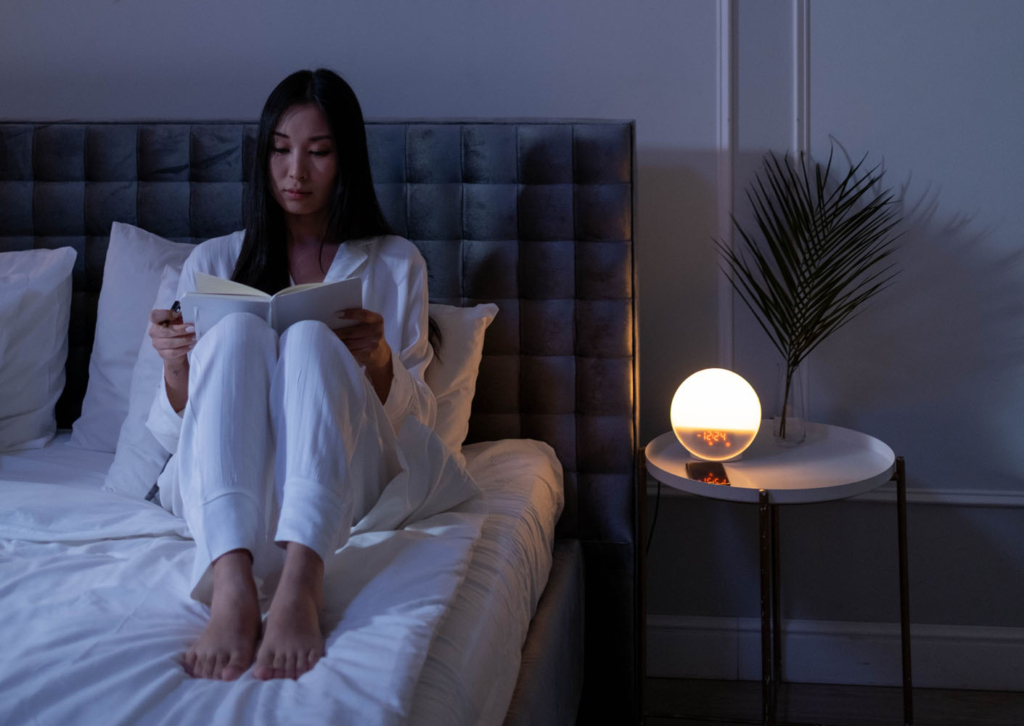
To get the most out of light therapy, follow these guidelines:
- Use the Light Box in the Morning: Aim to use the light box within an hour of waking up. This helps reset your circadian rhythm and sets the tone for the day.
- Consistency is Key: Use the light box at the same time each day, even on weekends. Consistency helps reinforce your body’s natural sleep-wake cycle.
- Avoid Staring Directly at the Light: Keep your eyes open but don’t stare directly at the light box. You can read, work, or relax while using it.
- Combine with Good Sleep Hygiene: Pair light therapy with other sleep-enhancing habits, such as limiting screen time before bed, maintaining a regular sleep schedule, and creating a comfortable sleep environment.
- Consult a Healthcare Professional: If you have a medical condition or are taking medications, talk to your doctor before starting light therapy.
Real-Life Examples of Light Therapy Success
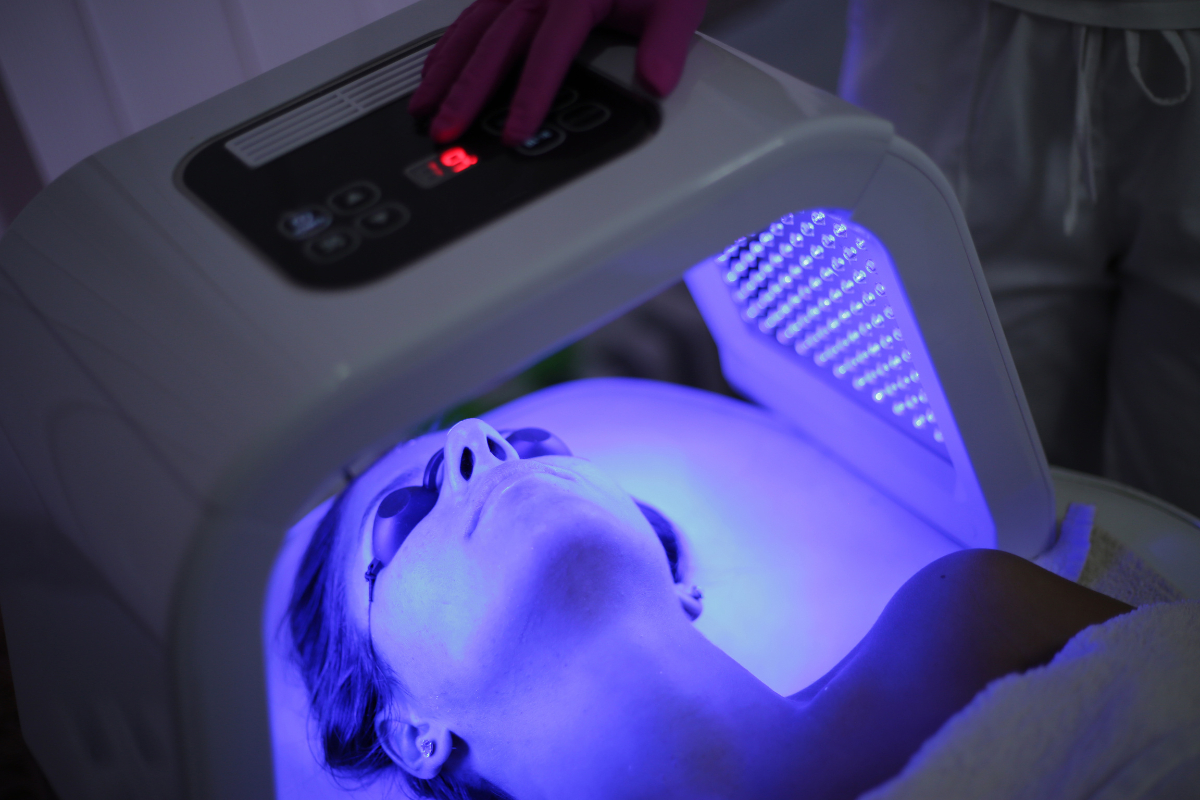
Many people have reported significant improvements in their sleep and overall well-being through light therapy. For example:
- A college student who struggled with late-night studying and poor sleep found that using a light box in the morning helped her fall asleep faster and wake up feeling more refreshed.
- A nurse working rotating shifts was able to maintain a more consistent sleep schedule by using light therapy during her daytime rest periods.
- An individual with seasonal affective disorder experienced a noticeable improvement in mood and energy levels after incorporating light therapy into their daily routine.
These real-world success stories highlight the versatility and effectiveness of light therapy in addressing a wide range of sleep and mood-related challenges.
Common Misconceptions About Light Therapy

Despite its benefits, there are several misconceptions about light therapy that may prevent people from trying it:
- It’s Only for Seasonal Affective Disorder: While light therapy is commonly associated with SAD, it’s also beneficial for anyone experiencing sleep disturbances, jet lag, or shift work insomnia.
- It’s Not Scientifically Backed: Light therapy has been extensively studied and is recognized as an effective treatment for various sleep and mood disorders.
- It’s Expensive: Many affordable light therapy devices are available on the market, making it accessible to a wide range of individuals.
- It Causes Side Effects: While some people may experience mild side effects like headaches or eye strain, these are usually temporary and rare.
Conclusion
Light therapy is a powerful tool for improving sleep cycles and overall health. By aligning with your body’s natural circadian rhythm, it can help you achieve better sleep, boost mood, and enhance daily energy levels. Whether you’re dealing with jet lag, shift work, or simply inconsistent sleep habits, incorporating light therapy into your routine can make a significant difference.
Remember, the key to success with light therapy is consistency and patience. Start small, stay committed, and pair it with other healthy sleep habits. With time, you’ll likely notice a positive transformation in your sleep quality and overall well-being. Don’t let disrupted sleep hold you back—take control of your circadian rhythm and reclaim the restful, rejuvenating sleep you deserve.

Post a Comment for "How Light Therapy Can Improve Your Sleep Cycles and Overall Health"
Post a Comment