How Light Therapy Can Help with Seasonal Depression: A Complete Guide
Seasonal depression, also known as seasonal affective disorder (SAD), affects millions of people in the United States each year. As the days grow shorter and the sun becomes a rare sight, many experience a shift in mood, energy levels, and overall well-being. If you're one of those individuals who feel the weight of winter's gloom more than others, light therapy may be the solution you've been looking for. This article will explore how light therapy works, its benefits, and how to use it effectively to combat seasonal depression.
What Is Light Therapy?

Light therapy, or bright light therapy (BLT), is a treatment that involves exposure to artificial light that mimics natural sunlight. It’s primarily used to treat major depressive disorder (MDD) with seasonal patterns, commonly referred to as SAD. The therapy helps regulate circadian rhythms and improve mood by influencing the brain’s production of serotonin and melatonin.
The key to effective light therapy is using a device that emits 10,000 lux of light, which is about 10 times brighter than typical indoor lighting. These devices come in various forms, such as light boxes, lamps, and visors. The goal is to sit near the light for a set amount of time each day, typically in the morning, to simulate the effects of natural daylight.
How Does Light Therapy Work?
The exact mechanism of light therapy isn’t fully understood, but research suggests it affects the brain’s chemistry by regulating the release of neurotransmitters like serotonin and melatonin. Serotonin plays a crucial role in mood regulation, while melatonin helps control sleep-wake cycles. When these chemicals are imbalanced, it can lead to symptoms of depression, fatigue, and disrupted sleep—common issues during the darker months of the year.
Studies have shown that light therapy can help correct the circadian rhythm phase delay that often occurs in people with SAD. By exposing the body to light in the morning, the therapy helps reset the internal clock, making it easier to wake up and feel energized throughout the day.
Benefits of Light Therapy

Light therapy offers several benefits for those struggling with seasonal depression:
- Improves Mood: Regular use of light therapy has been shown to reduce symptoms of depression, including low energy, irritability, and sadness.
- Enhances Sleep: By regulating the circadian rhythm, light therapy can help improve sleep quality and reduce insomnia.
- Boosts Energy Levels: Many users report feeling more alert and energetic after consistent use of light therapy.
- Supports Mental Health: Light therapy can be an effective complement to other treatments, such as psychotherapy or medication, for managing depression and anxiety.
How to Use Light Therapy Effectively

To get the most out of light therapy, it's important to follow a few key guidelines:
- Choose the Right Device: Look for a light box that emits 10,000 lux of light and has a UV filter to protect your eyes.
- Set a Routine: Consistency is key. Try to use the light box at the same time each day, ideally in the morning.
- Maintain Proper Distance: Place the light box 12 to 18 inches from your face, and make sure you’re facing it while engaging in activities like reading or working.
- Start Slowly: If you're new to light therapy, begin with shorter sessions and gradually increase the duration as needed.
- Be Patient: It may take a few days to a couple of weeks before you notice significant improvements in your mood and energy levels.
Potential Side Effects and Precautions

While light therapy is generally safe, some people may experience mild side effects, such as eye strain, headaches, or irritability. These usually subside after a few days of use. However, if you experience persistent discomfort, it's best to consult a healthcare professional.
It's also important to note that light therapy may not be suitable for everyone. People with certain medical conditions, such as bipolar disorder, should use caution and discuss the therapy with their doctor before starting. Additionally, those taking medications that increase sensitivity to light should avoid light therapy unless advised otherwise.
Combining Light Therapy with Other Treatments
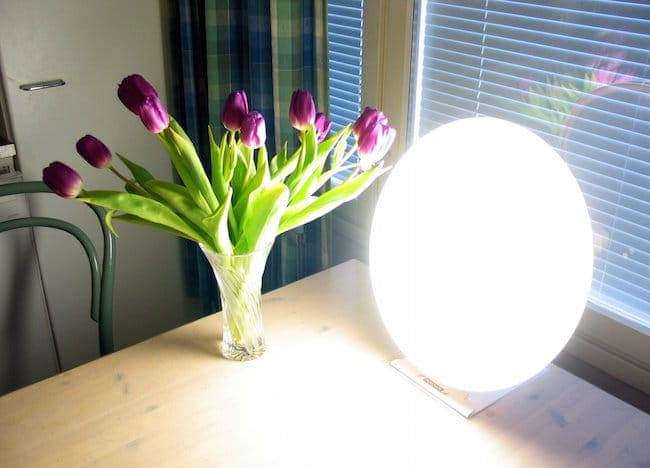
Light therapy can be used alongside other treatments for depression, such as psychotherapy, medication, or lifestyle changes. In fact, some studies suggest that combining light therapy with traditional treatments can enhance its effectiveness. For example, a 2025 review found that light therapy may be particularly beneficial for individuals with both seasonal and non-seasonal major depressive disorder.
If you're currently undergoing treatment for depression, it's essential to talk to your healthcare provider before adding light therapy to your routine. They can help determine the best approach based on your specific needs and medical history.
Tips for Success
Here are a few practical tips to help you make the most of your light therapy experience:
- Create a Comfortable Space: Find a quiet, comfortable spot where you can sit and relax while using the light box.
- Stay Consistent: Stick to your schedule, even on weekends or when you're busy. Consistency is crucial for long-term success.
- Track Your Progress: Keep a journal to note how you feel each day. This can help you identify patterns and adjust your therapy as needed.
- Stay Positive: Remember that light therapy is a tool to support your mental health. It's not a quick fix, but with patience and persistence, it can make a big difference.
Conclusion
Light therapy offers a simple, effective, and affordable way to manage seasonal depression. By mimicking natural sunlight, it helps regulate mood, energy, and sleep patterns, providing relief for those affected by the darker months of the year. While it's not a substitute for professional medical care, it can be a valuable addition to a comprehensive treatment plan.
If you're considering light therapy, start with a small investment and commit to a daily routine. With time and consistency, you may find that this therapy brings much-needed light into your life—both literally and metaphorically. Don't let the winter blues define your year; take control and embrace the power of light.

Post a Comment for "How Light Therapy Can Help with Seasonal Depression: A Complete Guide"
Post a Comment