How Light Therapy Can Help with Seasonal Affective Disorder: A Complete Guide
As the days grow shorter and the chill of winter sets in, many people find themselves feeling sluggish, irritable, or down. For some, these changes are more than just a temporary mood dip—they signal the onset of Seasonal Affective Disorder (SAD), a type of depression that’s closely tied to seasonal changes. If you’re experiencing symptoms of SAD, light therapy could be a powerful tool to help you regain your energy, improve your mood, and navigate the darker months with greater ease.
This guide will explore what SAD is, how light therapy works, and why it’s one of the most effective treatments for this condition. Whether you're looking to understand your symptoms better or seeking practical solutions, this article will provide you with the information you need to make informed decisions about your mental health.

What Is Seasonal Affective Disorder?
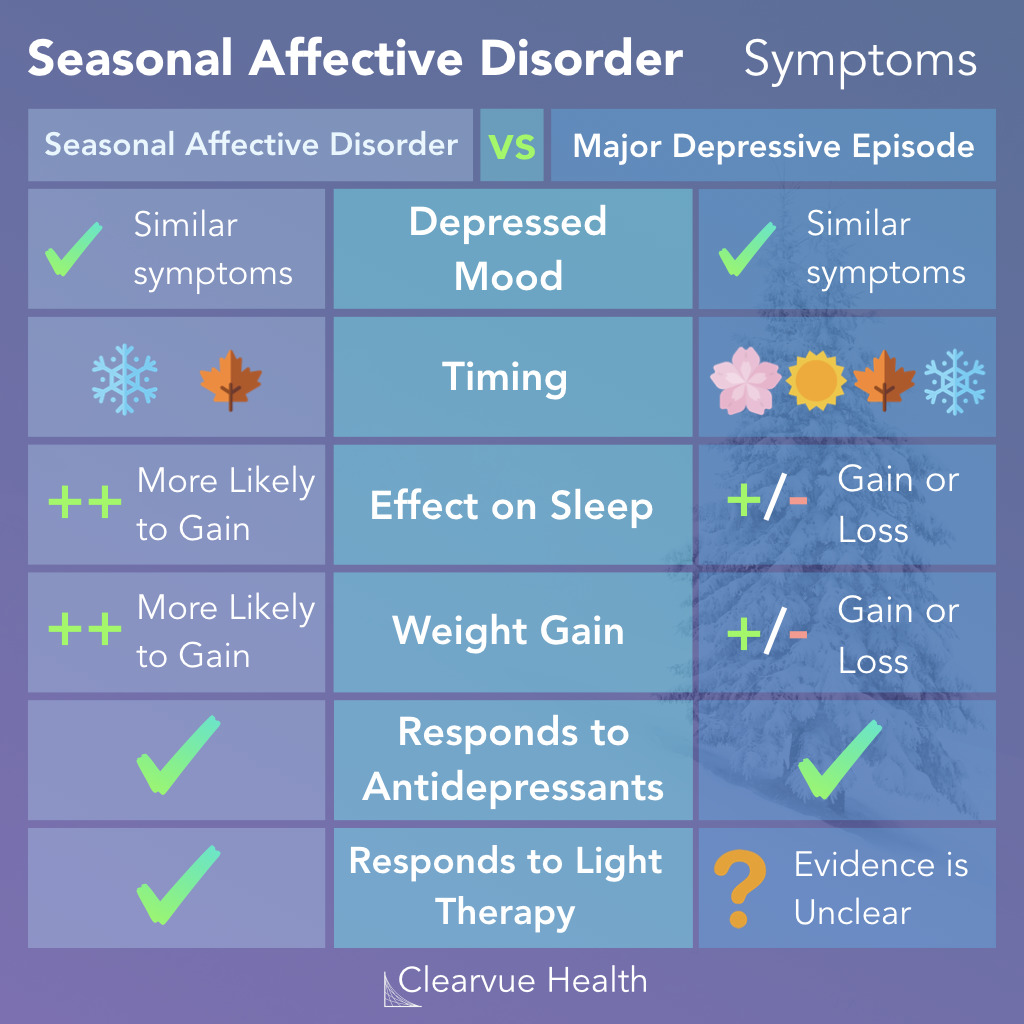
Seasonal Affective Disorder, or SAD, is a form of depression that occurs at specific times of the year, typically during the fall and winter months when there is less natural sunlight. It affects millions of people worldwide, with estimates suggesting that around 5% of Americans experience SAD each year.
The exact cause of SAD isn’t fully understood, but researchers believe it’s linked to the disruption of the body’s internal clock, or circadian rhythm, due to reduced exposure to sunlight. This change can lead to imbalances in brain chemicals like serotonin and melatonin, which play key roles in regulating mood and sleep.
Symptoms of SAD include:
- Persistent feelings of sadness or hopelessness
- Loss of interest in activities you once enjoyed
- Fatigue or low energy
- Difficulty concentrating
- Changes in appetite or weight
- Sleep disturbances (either oversleeping or insomnia)
These symptoms often subside as the days get longer again in spring and summer. However, for those who suffer from SAD, the winter months can be particularly challenging without the right support.
How Light Therapy Works
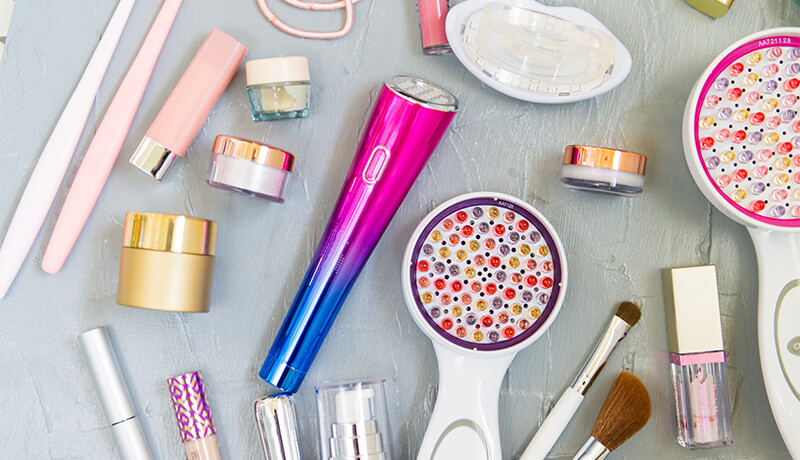
Light therapy, also known as phototherapy, involves exposure to artificial light that mimics natural sunlight. This treatment is designed to help regulate the body's circadian rhythms and boost levels of serotonin, a neurotransmitter that influences mood and energy.
The science behind light therapy is rooted in the understanding that our bodies rely on light to maintain healthy sleep-wake cycles. When we don't get enough natural light, especially during the darker months, our internal clocks can become misaligned, leading to symptoms of SAD.
During a typical light therapy session, you sit near a special light box that emits bright light—usually around 10,000 lux, which is much stronger than regular indoor lighting. The light helps signal to your brain that it's daytime, even if it's dark outside. This can help reduce the production of melatonin (the hormone that makes us sleepy) and increase serotonin levels, improving mood and energy.
Benefits of Light Therapy for SAD
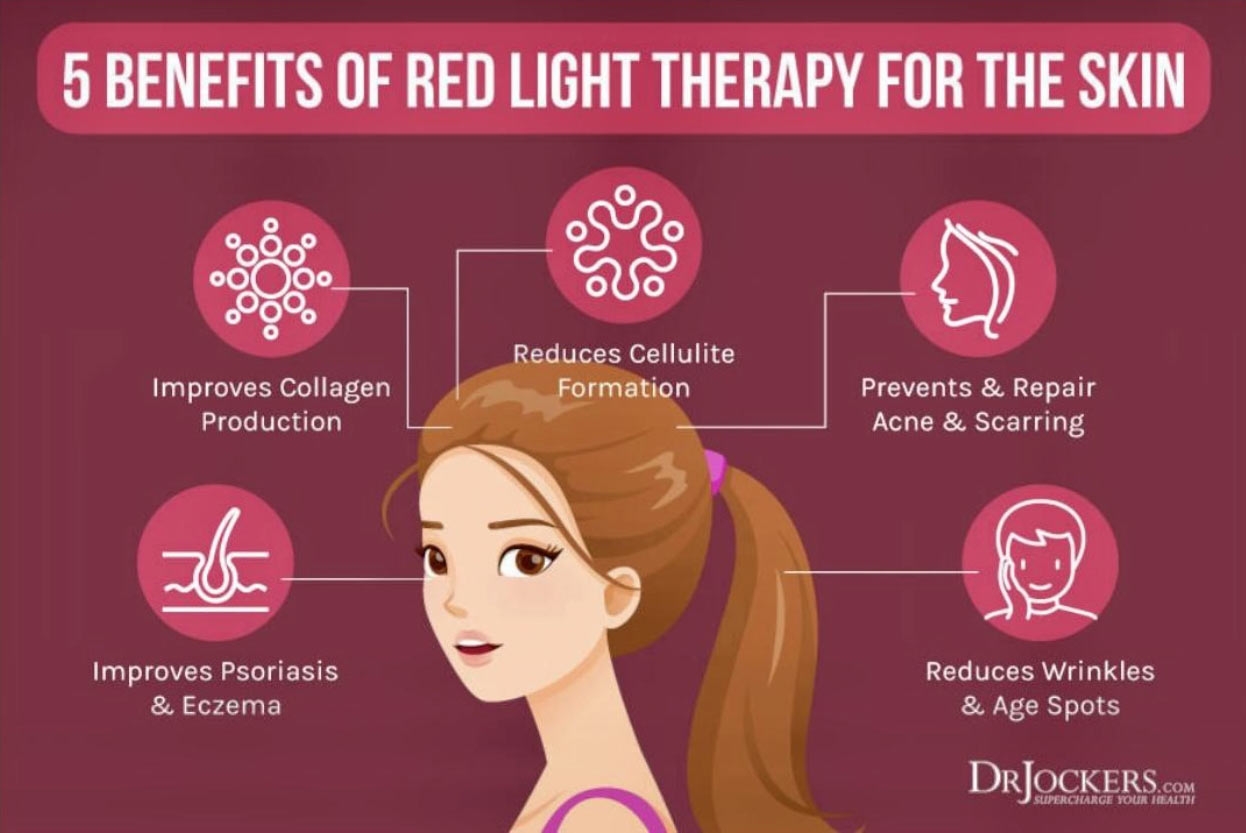
Research has shown that light therapy is one of the most effective treatments for SAD, with many people experiencing significant improvements in their symptoms. In fact, studies suggest that light therapy can be as effective as antidepressant medication for some individuals, though it may take a few weeks of consistent use to see results.
Some of the key benefits of light therapy include:
- Improved Mood: By increasing serotonin levels, light therapy can help lift the symptoms of depression and improve overall emotional well-being.
- Better Sleep: Regulating circadian rhythms can help improve sleep patterns, reducing the fatigue and irritability often associated with SAD.
- Increased Energy: Many people report feeling more alert and energized after using light therapy, making it easier to stay active and engaged during the winter months.
- Non-Invasive: Unlike medication, light therapy is a non-invasive treatment that can be used at home without the need for a prescription.
Choosing the Right Light Therapy Lamp
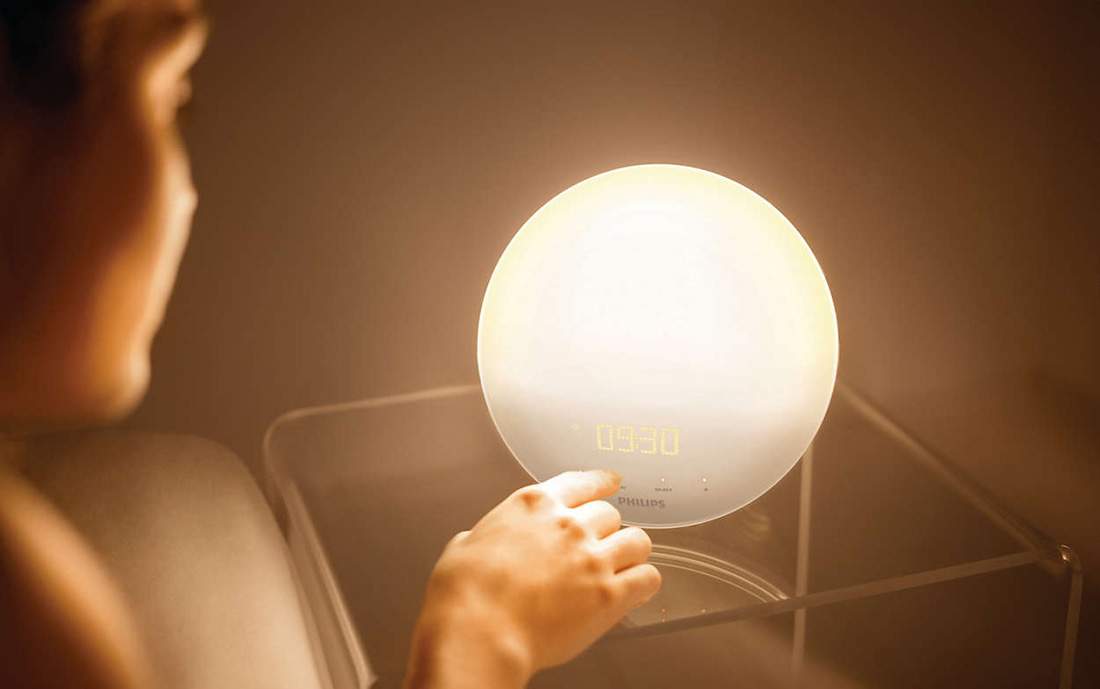
Not all light therapy devices are created equal. To get the most benefit from light therapy, it’s important to choose a lamp that meets certain criteria. Here are some key factors to consider:
- Light Intensity: Look for a lamp that provides at least 10,000 lux of light. This intensity is considered optimal for treating SAD.
- UV Protection: Ensure the lamp filters out harmful ultraviolet (UV) rays to protect your eyes and skin.
- Size and Design: Larger lamps tend to be more efficient because they cover a broader area and allow for shorter sessions. Consider a model that fits your lifestyle, whether you prefer a desk lamp, floor lamp, or portable option.
- Ease of Use: Choose a lamp with simple controls and an adjustable brightness setting so you can customize your experience.
Some popular options include the Verilux HappyLight, the Lumie Mini, and the Philips SmartSleep Wake-Up Light. These devices offer a range of features to suit different needs and preferences.
Tips for Using Light Therapy Effectively
To get the most out of your light therapy sessions, follow these practical tips:
- Consistency is Key: Use the lamp at the same time each day, ideally within the first hour of waking up.
- Distance Matters: Position the lamp about 16-24 inches from your face, and avoid looking directly at the light source.
- Be Patient: It may take a few days or even a couple of weeks to notice improvements. Stick with the routine and give your body time to adjust.
- Combine with Other Strategies: Light therapy works best when combined with other healthy habits, such as regular exercise, a balanced diet, and social connections.
If you're unsure about how to start, consult with a healthcare professional who can help you determine the best approach for your specific situation.
Potential Side Effects and Safety Considerations
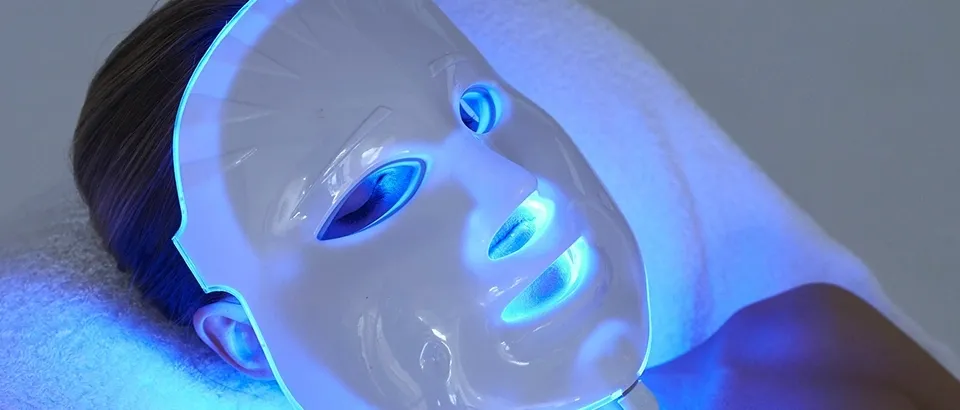
While light therapy is generally safe, some people may experience mild side effects, especially when starting treatment. These can include:
- Headaches
- Eye strain
- Nausea
- Irritability
These symptoms usually go away as your body adjusts to the therapy. However, if they persist or worsen, it’s important to consult a doctor.
It’s also crucial to remember that light therapy should not replace professional medical advice. If you’re experiencing severe symptoms of depression or SAD, seek help from a qualified mental health provider.
Conclusion
Seasonal Affective Disorder can be a challenging condition to manage, but light therapy offers a promising and effective solution. By simulating the effects of natural sunlight, this treatment helps regulate mood, energy, and sleep, providing relief for those affected by the darker months.
Whether you’re new to light therapy or looking to refine your approach, the key is to remain consistent and patient. With the right tools and strategies, you can transform your winter experience into one of resilience, growth, and renewed energy.
As the sun begins to rise higher each day, remember that even in the darkest times, there is always a path forward—and light therapy can be a powerful ally along the way.

Post a Comment for "How Light Therapy Can Help with Seasonal Affective Disorder: A Complete Guide"
Post a Comment