How Infrared Light Therapy Can Help Relieve Pain: A Complete Guide
If you’ve ever struggled with chronic pain or sought a natural alternative to medication, infrared light therapy might be worth exploring. This innovative treatment has gained popularity for its ability to provide relief without the side effects often associated with traditional pain management methods. Whether you're dealing with arthritis, muscle strain, or post-surgical discomfort, infrared light therapy offers a promising solution that’s both safe and effective.
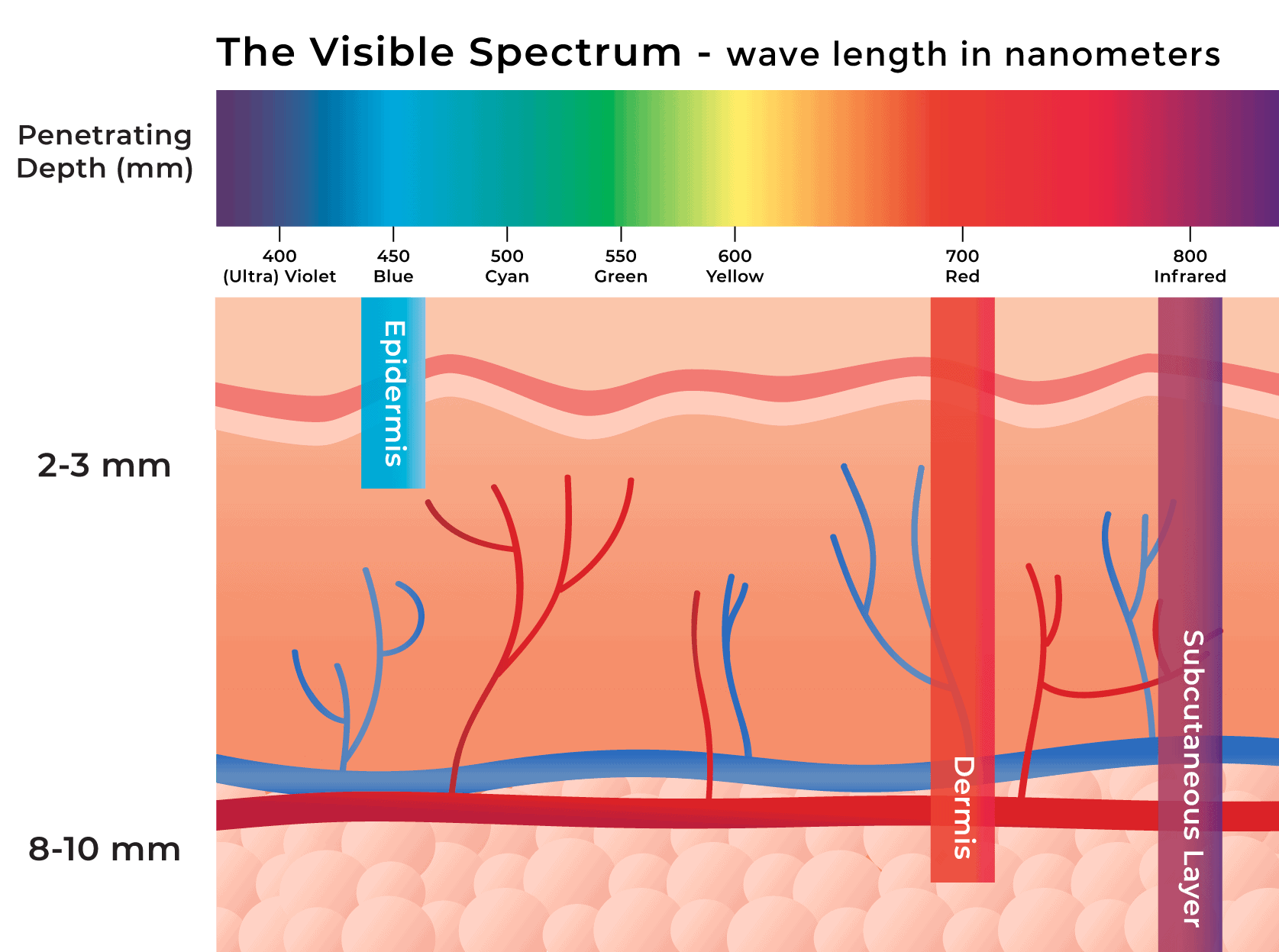
Infrared light therapy uses specific wavelengths of light to penetrate deep into the body, promoting healing and reducing inflammation. Unlike ultraviolet light, which can be harmful, infrared light is gentle and has been shown to support cellular function and improve circulation. This article will explore how infrared light therapy works, its benefits, and how it can be used to manage various types of pain.
What Is Infrared Light Therapy?
Infrared light therapy is a non-invasive treatment that uses light energy to stimulate healing and reduce pain. It involves exposing the body to infrared light, which is part of the electromagnetic spectrum just beyond visible light. This type of light is commonly associated with the warmth we feel from the sun, but unlike sunlight, it doesn’t emit harmful ultraviolet (UV) rays.
The therapy works by delivering light energy to the skin and underlying tissues, where it is absorbed by cells. This absorption triggers a series of biological processes that can enhance cellular function, increase blood flow, and reduce inflammation. The result is faster healing and pain relief, making it an attractive option for those looking for a drug-free approach to managing their discomfort.
[IMAGE: infrared light therapy for pain relief]
How Does Infrared Light Therapy Work?
Infrared light therapy operates on the principle of photobiomodulation, a process where light energy is converted into biochemical energy within the cells. This energy helps to stimulate the production of adenosine triphosphate (ATP), the primary energy source for cells. Increased ATP production enhances cellular function, allowing the body to repair damaged tissues more efficiently.
There are two main types of infrared light used in therapy: near-infrared (NIR) and far-infrared (FIR). NIR light penetrates deeper into the body, reaching muscles, joints, and even bones, while FIR light provides a gentler heat that improves circulation and promotes relaxation. Both types have unique benefits, and the choice between them depends on the specific condition being treated.
The effectiveness of infrared therapy is also linked to nitric oxide, a molecule that plays a crucial role in regulating blood flow and reducing inflammation. When exposed to infrared light, nitric oxide is released, helping to dilate blood vessels and improve oxygen delivery to injured areas. This enhanced circulation supports the body’s natural healing processes and contributes to pain relief.
[IMAGE: infrared light therapy for pain relief]
Conditions That Infrared Light Therapy Can Help With
Infrared light therapy has been shown to be beneficial for a wide range of health conditions, particularly those involving pain and inflammation. Some of the most common ailments that respond well to this treatment include:
- Arthritis: Inflammation of the joints can be reduced through improved circulation and cellular repair.
- Muscle Strains and Sprains: The therapy helps to speed up recovery by increasing blood flow to the affected area.
- Back and Neck Pain: By targeting deep tissues, infrared light therapy can alleviate discomfort caused by musculoskeletal issues.
- Diabetic Neuropathy: This condition, which causes nerve damage, may benefit from the anti-inflammatory effects of infrared light.
- Post-Surgical Recovery: The therapy can help reduce swelling and promote faster healing after surgery.
Additionally, infrared light therapy is often used to treat conditions such as carpal tunnel syndrome, tendonitis, and temporomandibular joint (TMJ) pain. Its versatility makes it a valuable tool for both acute and chronic pain management.
[IMAGE: infrared light therapy for pain relief]
Benefits of Infrared Light Therapy
Beyond its ability to relieve pain, infrared light therapy offers several other health benefits that make it a compelling treatment option:
- Improved Circulation: The therapy enhances blood flow, which can help deliver essential nutrients and oxygen to tissues.
- Reduced Inflammation: By stimulating the release of nitric oxide, infrared light therapy helps to reduce swelling and discomfort.
- Enhanced Cellular Function: The increased production of ATP supports overall cellular health and accelerates the healing process.
- Non-Invasive and Safe: Unlike surgical procedures or medications, infrared light therapy is non-invasive and has minimal side effects.
- Drug-Free: For those seeking alternatives to pharmaceuticals, infrared light therapy provides a natural way to manage pain.
These benefits make infrared light therapy an appealing choice for individuals looking for a holistic approach to pain management.
[IMAGE: infrared light therapy for pain relief]
How to Use Infrared Light Therapy
Infrared light therapy can be administered in various forms, depending on the severity of the condition and the desired outcome. Common methods include:
- Infrared Saunas: These saunas use far-infrared light to warm the body from the inside out, promoting detoxification and relaxation.
- Infrared Panels: Portable devices that emit near-infrared light, ideal for targeted treatment of specific areas.
- Red Light Therapy Devices: These include masks, beds, panels, and wands that use LED technology to deliver light energy to the skin.
When using infrared light therapy at home, it's important to follow the manufacturer's guidelines to ensure safety and effectiveness. While home devices may not be as powerful as clinical equipment, they can still provide significant relief when used consistently.
[IMAGE: infrared light therapy for pain relief]
Conclusion
Infrared light therapy is a promising and increasingly popular method for managing pain and promoting healing. Its ability to penetrate deep into the body, stimulate cellular function, and improve circulation makes it a valuable tool for those suffering from chronic or acute pain. Whether you're dealing with arthritis, muscle strain, or post-surgical discomfort, infrared light therapy offers a safe, effective, and drug-free alternative to traditional treatments.
As research continues to uncover the full potential of this therapy, it’s clear that infrared light can play a significant role in improving quality of life for many individuals. If you’re considering infrared light therapy, consult with a healthcare professional to determine the best approach for your specific needs. With its growing acceptance and proven benefits, infrared light therapy is poised to become a staple in modern pain management strategies.

Post a Comment for "How Infrared Light Therapy Can Help Relieve Pain: A Complete Guide"
Post a Comment