How Gut Health Supports Immune Resilience and Overall Wellness
The human body is a complex ecosystem, and one of the most vital components of this system is the gut. While many people associate the gut with digestion, its role extends far beyond that. The gut is home to trillions of microorganisms—collectively known as the gut microbiome—that play a crucial role in maintaining overall health, particularly immune resilience. Understanding how gut health supports the immune system can empower individuals to make informed choices that enhance their well-being.

The Gut-Immune System Connection
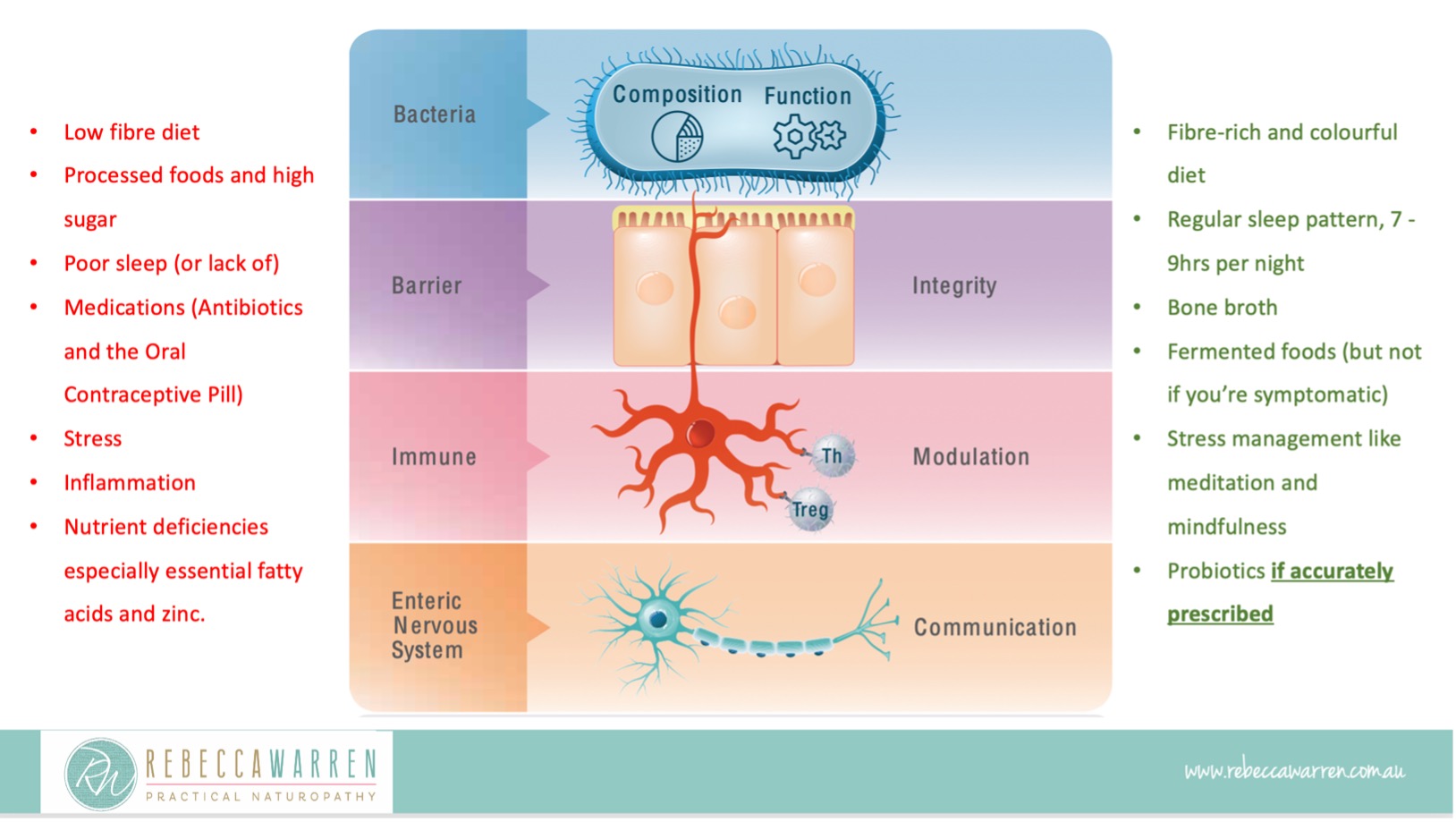
The immune system is the body’s defense network against harmful invaders such as bacteria, viruses, and toxins. What many people don’t realize is that nearly 70% of immune cells reside in the intestinal lining, where they interact constantly with the gut microbiome. This close relationship underscores the importance of a healthy gut for a strong immune system.
A key player in this interaction is the gut-associated lymphoid tissue (GALT), which acts as a communication hub between gut microbes and immune cells. Beneficial bacteria help train the immune system to distinguish between friendly substances and harmful pathogens, reducing the risk of chronic inflammation or autoimmune responses. This symbiotic relationship is essential for building a resilient immune system that can effectively respond to threats.
How Gut Microbiome Supports Immunity
The gut microbiome plays a central role in shaping and supporting immune function. A diverse and balanced community of gut bacteria helps regulate the immune response, ensuring it is strong enough to fight infections but not so aggressive that it causes chronic inflammation.
One of the main ways the microbiome supports immunity is through the production of short-chain fatty acids (SCFAs) such as butyrate, acetate, and propionate. These compounds strengthen the intestinal barrier, reduce inflammation, and improve communication between gut microbes and immune cells. Additionally, beneficial bacteria stimulate the production of antibodies and activate specialized immune cells, including T cells, which help the body recognize and neutralize harmful pathogens. By maintaining this balance, the gut microbiome provides a frontline defense system that protects overall health.
Dysbiosis and Weakened Immunity

When the gut microbiome becomes imbalanced—a condition known as dysbiosis—the immune system can be significantly compromised. Dysbiosis occurs when harmful bacteria outnumber beneficial ones, often due to poor diet, stress, lack of sleep, or overuse of antibiotics. This imbalance disrupts the intestinal barrier, allowing toxins and pathogens to pass into the bloodstream, a phenomenon sometimes referred to as "leaky gut." The result is chronic inflammation, which weakens immune defenses and increases vulnerability to infections.
Research has also linked dysbiosis to autoimmune conditions, allergies, and inflammatory diseases such as IBD (inflammatory bowel disease). Instead of protecting the body, the immune system may become overactive or misdirected, attacking healthy tissues and triggering long-term health issues. Maintaining balance in the gut microbiome is therefore critical for keeping immunity strong and preventing chronic illness.
Nutrition and Lifestyle for a Healthy Gut and Strong Immunity

What you eat and how you live have a direct impact on both gut health and immunity. A balanced diet rich in whole, nutrient-dense foods helps maintain a diverse microbiome, while poor lifestyle habits can disrupt it.
- Fiber-Rich Foods: Vegetables, fruits, whole grains, and legumes provide prebiotics that nourish beneficial gut bacteria.
- Probiotic Foods: Yogurt, kefir, kimchi, sauerkraut, and other fermented foods introduce healthy bacteria that support immunity.
- Hydration: Drinking enough water aids digestion and helps maintain the mucosal lining of the gut.
- Stress Management: Chronic stress alters gut bacteria and weakens immune responses; practices like meditation and deep breathing can help.
- Sleep & Exercise: Quality sleep and regular physical activity promote microbial balance and enhance immune function.
- Limit Antibiotics & Processed Foods: Overuse of antibiotics and consumption of refined sugars or additives disrupt gut flora and impair immunity.
By focusing on both nutrition and lifestyle, you create the foundation for a resilient gut microbiome that actively supports a stronger immune system.
Probiotics, Prebiotics, and Supplements for Immune Support

Supporting gut health with the right foods and supplements can significantly improve immune resilience. Two of the most important components are probiotics and prebiotics.
- Probiotics: These are live beneficial bacteria that help restore balance in the gut microbiome. Common strains like Lactobacillus and Bifidobacterium are well studied for their role in enhancing immune responses, reducing inflammation, and lowering the risk of infections. Probiotics can be found in fermented foods or taken as supplements.
- Prebiotics: Unlike probiotics, prebiotics are non-digestible fibers that feed good bacteria in the gut. Foods rich in prebiotics include onions, garlic, bananas, asparagus, and oats. A diet high in prebiotics supports microbial diversity and helps beneficial bacteria thrive.
In cases where diet alone is not enough, probiotic and prebiotic supplements may be recommended. Some formulas are specifically designed to support immune function by strengthening the gut barrier and modulating inflammation.
Practical Tips to Improve Gut Health and Boost Immunity

Building a healthier gut doesn’t require drastic changes—it’s about making consistent, sustainable choices that benefit both digestion and immunity. Here are some simple, science-backed tips you can start applying right away:
- Eat a Variety of Plant-Based Foods: Diversity in your diet promotes diversity in your gut microbiome, which strengthens immune defenses.
- Include Fermented Foods Daily: Add yogurt, kefir, sauerkraut, kimchi, or kombucha to your meals for a natural source of probiotics.
- Prioritize Fiber: Aim for plenty of vegetables, fruits, whole grains, and legumes to feed beneficial gut bacteria.
- Stay Active: Regular moderate exercise has been shown to improve gut microbial balance and immune regulation.
- Get Quality Sleep: Aim for 7–9 hours of restful sleep each night, as poor sleep disrupts both gut function and immune strength.
- Manage Stress: Mindfulness, meditation, and breathing exercises reduce stress hormones that negatively affect gut health.
- Limit Processed Foods & Sugar: These can encourage harmful bacteria growth and increase inflammation.
By incorporating these habits into daily life, you’ll not only improve gut health but also build a stronger, more resilient immune system.
Conclusion

The connection between gut health and immunity is undeniable. A balanced and diverse gut microbiome strengthens the immune system, reduces inflammation, and helps protect the body from infections and chronic disease. By prioritizing a fiber-rich diet, incorporating probiotics and prebiotics, managing stress, and maintaining healthy lifestyle habits, you can support your gut and, in turn, boost your immunity. Focusing on gut health is not just about digestion—it’s a key step toward overall wellness and resilient defenses.

Post a Comment for "How Gut Health Supports Immune Resilience and Overall Wellness"
Post a Comment