Effective Gut Healing Protocols You Can Do at Home
Your gut is more than just an organ for digestion—it's a complex ecosystem that influences your overall health, mood, and immunity. When your gut is out of balance, it can lead to a host of issues, from bloating and fatigue to chronic inflammation and autoimmune conditions. The good news? You don’t need to rely on expensive treatments or complicated regimens to heal your gut. Many effective protocols can be done right from the comfort of your home. In this article, we’ll explore practical, science-backed strategies to support your gut health and restore balance naturally.
1. Prioritize Gut-Healthy Foods

The foundation of any gut healing protocol starts with what you eat. Your diet plays a crucial role in shaping your gut microbiome—the community of trillions of microorganisms living in your digestive tract. To promote a healthy gut, focus on whole, unprocessed foods that are rich in fiber, antioxidants, and anti-inflammatory compounds.
What to include: - Fermented foods: Yogurt, kefir, sauerkraut, kimchi, and miso are packed with probiotics that help replenish beneficial bacteria. - High-fiber foods: Vegetables, fruits, legumes, and whole grains feed the good bacteria in your gut. - Omega-3-rich foods: Fatty fish like salmon, chia seeds, and flaxseeds reduce inflammation and support gut lining integrity.
What to avoid: - Processed foods: These often contain additives, preservatives, and refined sugars that can disrupt the gut microbiome. - Excessive sugar: Sugary snacks and drinks can feed harmful bacteria and lead to imbalances.
By making these dietary changes, you create an environment where your gut can thrive.
2. Manage Stress for Better Gut Health

Stress isn’t just a mental burden—it has a direct impact on your gut. Chronic stress can increase gut inflammation, disrupt the balance of bacteria, and even weaken the intestinal barrier. This can lead to symptoms like bloating, constipation, and diarrhea.
To manage stress and support your gut: - Practice mindfulness: Techniques like meditation, deep breathing, and journaling can help calm your nervous system. - Engage in physical activity: Exercise reduces stress hormones and promotes the growth of beneficial gut bacteria. - Get enough sleep: Aim for 7–9 hours of quality sleep each night to allow your body to repair and rebalance.
Stress management is not just about feeling better—it’s about protecting your gut from long-term damage.
3. Stay Hydrated
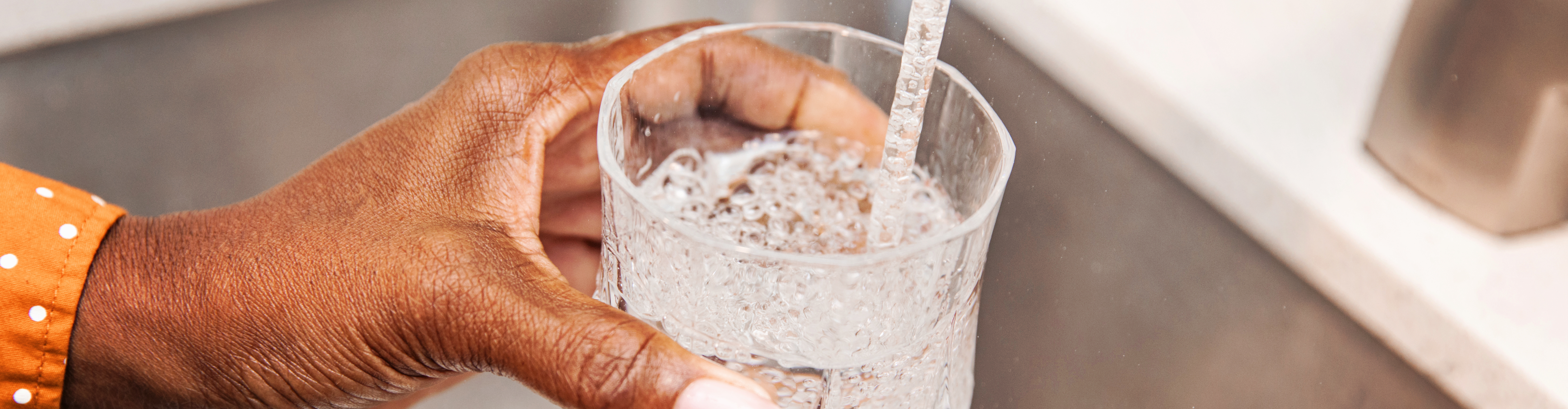
Water is essential for maintaining a healthy digestive system. It helps break down food, supports nutrient absorption, and keeps your stools soft and regular. Dehydration can lead to constipation, bloating, and even inflammation in the gut.
Tips for staying hydrated: - Carry a water bottle with you throughout the day. - Add slices of lemon, cucumber, or berries for flavor. - Eat hydrating foods like watermelon, cucumbers, and leafy greens.
A well-hydrated gut functions more efficiently, reducing discomfort and supporting overall wellness.
4. Incorporate Probiotics and Prebiotics
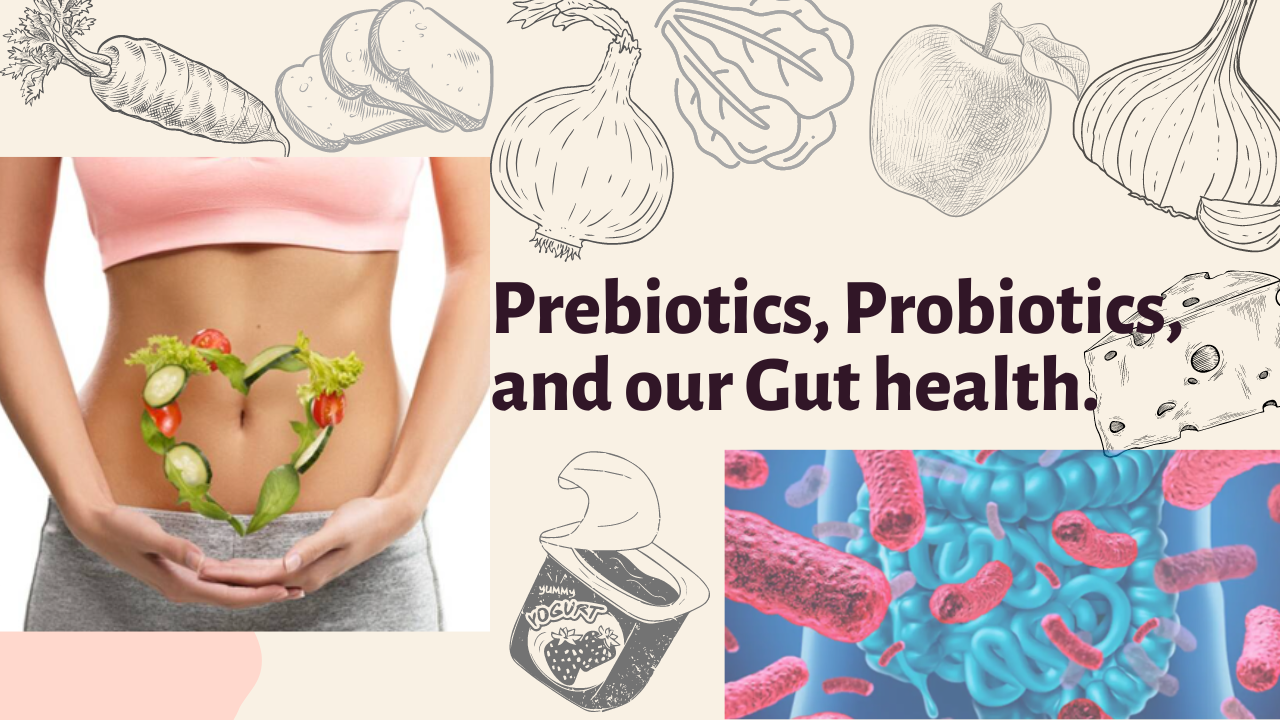
Probiotics are live bacteria that support gut health by restoring the balance of microorganisms in your digestive tract. Prebiotics, on the other hand, are non-digestible fibers that serve as food for these beneficial bacteria.
Sources of probiotics: - Yogurt (with live cultures) - Kefir - Sauerkraut - Kimchi - Miso
Sources of prebiotics: - Garlic - Onions - Bananas - Asparagus - Whole grains
Combining both probiotics and prebiotics creates a powerful synergy that fosters a thriving gut microbiome.
5. Limit Sugar and Processed Foods
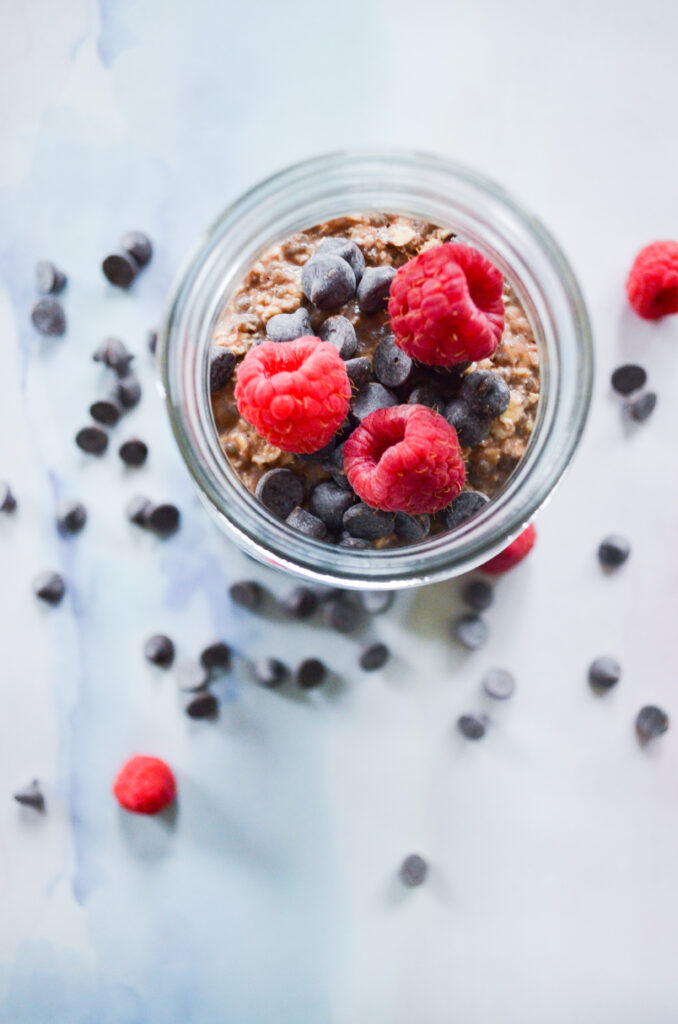
Sugary and processed foods are among the biggest culprits when it comes to gut imbalances. They can feed harmful bacteria, trigger inflammation, and disrupt the delicate balance of your microbiome.
How to reduce sugar intake: - Avoid sugary beverages like soda, energy drinks, and sweetened teas. - Opt for natural sweeteners like honey or maple syrup in moderation. - Read labels carefully to identify hidden sugars in packaged foods.
Reducing your intake of processed foods also helps minimize exposure to artificial additives and preservatives that can irritate the gut.
6. Get Quality Sleep
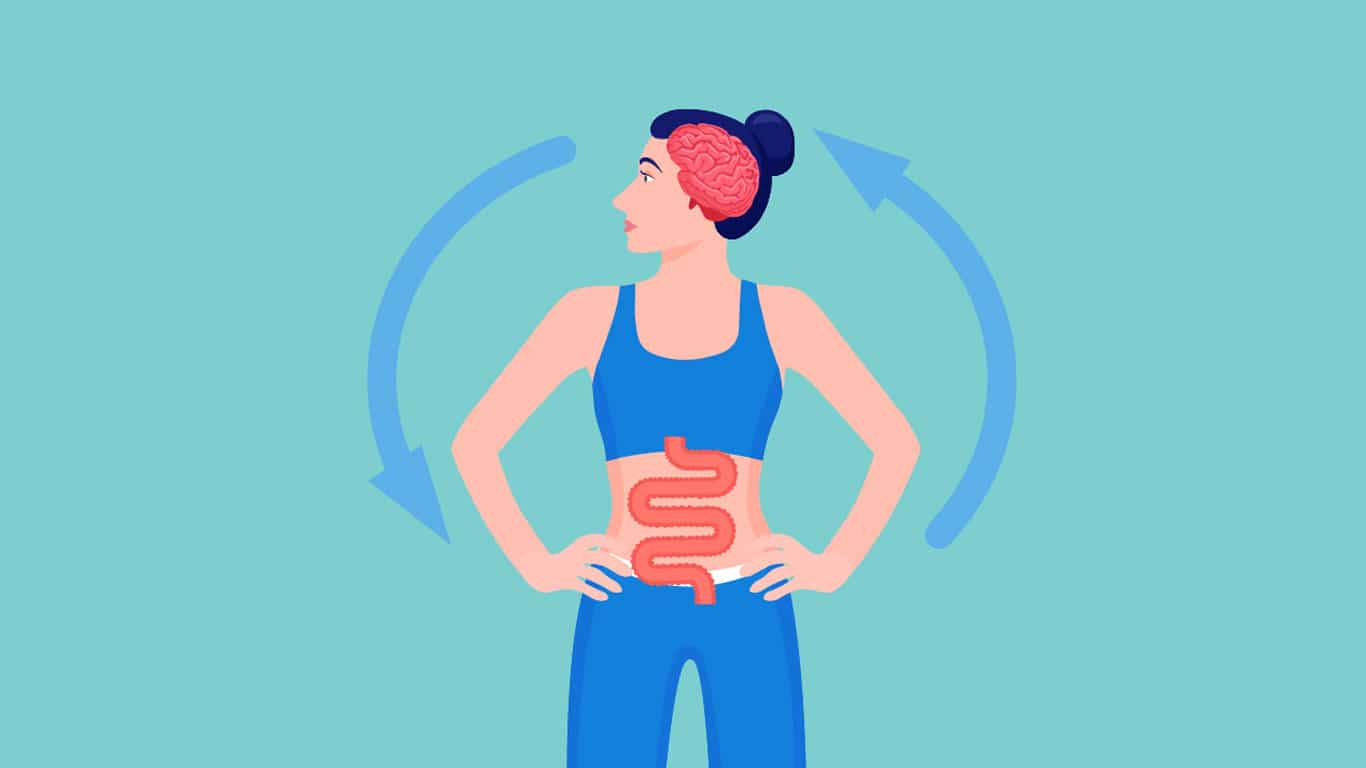
Sleep is a critical component of gut health. Research shows that poor sleep can alter the composition of your gut microbiome, leading to inflammation and digestive issues. Lack of sleep also affects the production of hormones that regulate appetite and metabolism, which can indirectly impact gut function.
Tips for better sleep: - Go to bed and wake up at the same time every day. - Create a calming bedtime routine (e.g., reading, taking a warm bath). - Avoid screens for at least an hour before bed.
Prioritizing sleep not only improves your gut health but also enhances your overall energy and mood.
7. Consider Functional Testing

If you're experiencing persistent gut issues, it may be helpful to work with a healthcare provider to identify underlying causes. Functional tests such as comprehensive stool analysis, food sensitivity testing, and breath tests can provide valuable insights into your gut health.
These tests can reveal imbalances in your microbiome, signs of inflammation, or undiagnosed food intolerances—helping you tailor your healing protocol more effectively.
8. Embrace Gentle Movement

Regular physical activity is one of the most effective ways to support gut health. Exercise stimulates digestion, increases microbial diversity, and reduces inflammation. It also helps manage stress, which is closely linked to gut function.
Types of movement to try: - Walking - Yoga - Swimming - Strength training
Even small amounts of daily activity can make a big difference in your gut health and overall well-being.
9. Practice Mindful Eating

Mindful eating involves paying attention to your food, savoring each bite, and being present during meals. This practice can improve digestion, reduce overeating, and enhance the gut-brain connection.
Tips for mindful eating: - Eat slowly and chew thoroughly. - Avoid distractions like phones or TV. - Listen to your body’s hunger and fullness cues.
By being more aware of how you eat, you can support your gut and enjoy your meals more fully.
10. Explore Natural Remedies

In addition to dietary and lifestyle changes, certain natural remedies can support gut healing. These include herbal teas, bone broth, and supplements like probiotics or digestive enzymes.
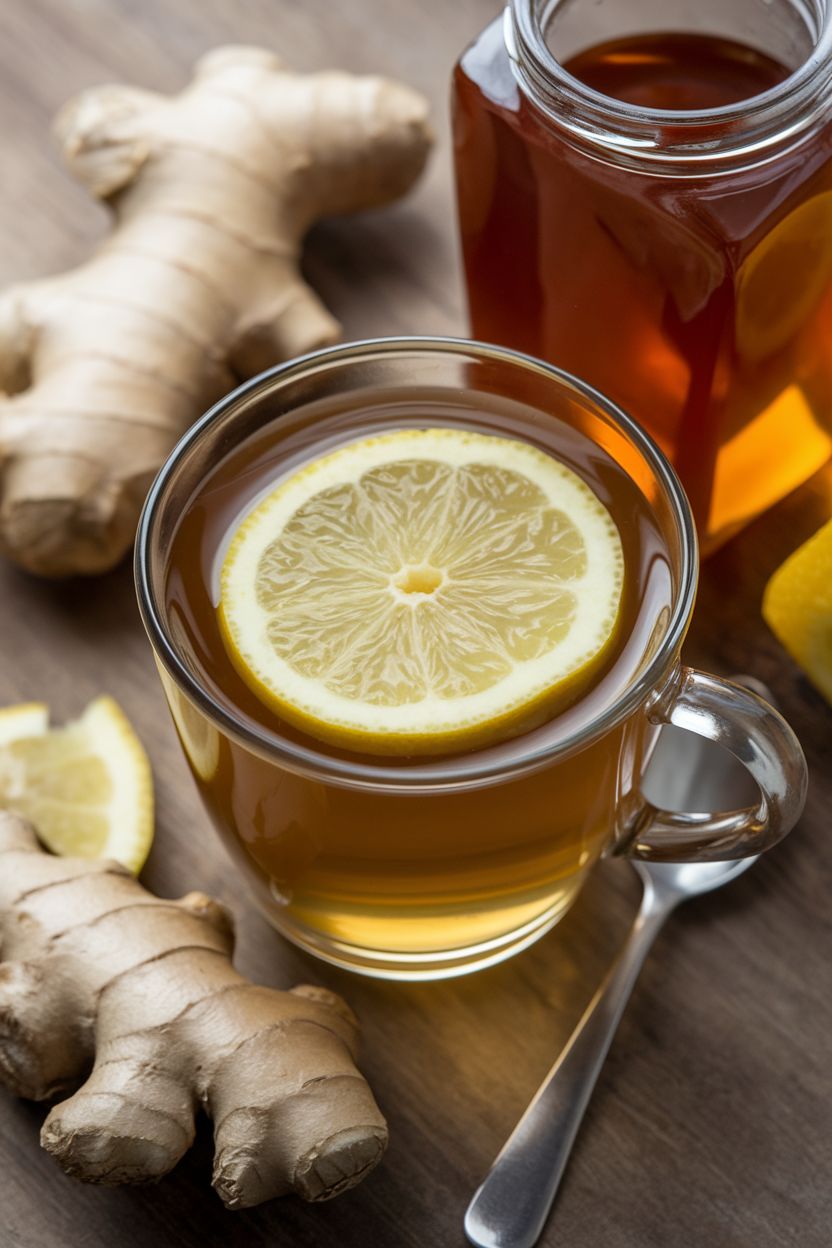
Examples of natural remedies: - Herbal teas: Ginger, peppermint, and chamomile can soothe the digestive tract. - Bone broth: Rich in collagen and amino acids, it supports gut lining health. - Apple cider vinegar: A small amount before meals can aid digestion and balance gut pH.
Always consult with a healthcare provider before starting new supplements or remedies.
Conclusion
Healing your gut doesn’t have to be complicated or expensive. By making simple, consistent changes to your diet, lifestyle, and habits, you can create a strong foundation for gut health. From eating gut-friendly foods to managing stress and getting enough sleep, each step contributes to a healthier, more balanced digestive system. Remember, your gut is a reflection of your overall well-being, and nurturing it at home can lead to lasting improvements in your health and quality of life.

Post a Comment for "Effective Gut Healing Protocols You Can Do at Home"
Post a Comment