10 Effective Tips to Restore and Maintain a Healthy Gut Microbiome
The gut microbiome is a complex ecosystem of trillions of microorganisms that play a crucial role in our overall health. From digestion and immunity to mental well-being, the balance of these microbes can significantly impact how we feel and function. However, modern lifestyles—full of processed foods, stress, and sedentary habits—can throw this delicate balance off. The good news is that there are numerous science-backed strategies to restore and maintain a healthy gut microbiome. Whether you're dealing with bloating, fatigue, or just want to optimize your health, these tips can help you get back on track.

1. Embrace a Fiber-Rich Diet

Fiber is one of the most important nutrients for a healthy gut. It acts as a prebiotic, feeding the beneficial bacteria in your gut and helping them thrive. A high-fiber diet supports microbial diversity, which is essential for a balanced microbiome. Aim to include plenty of fruits, vegetables, whole grains, legumes, and nuts in your meals. Research shows that fiber not only nourishes your gut flora but also helps reduce inflammation, improve digestion, and even support weight management.
Practical Tip: Start by incorporating more leafy greens, berries, and root vegetables into your daily meals. Try adding a handful of chia seeds or flaxseeds to your breakfast for an extra fiber boost.
2. Prioritize Polyphenol-Rich Foods

Polyphenols are plant compounds that act as antioxidants and have anti-inflammatory properties. They’re also excellent for your gut microbiome because they serve as food for beneficial bacteria. Foods like berries, dark chocolate, green tea, and olive oil are rich in polyphenols. These compounds help promote the growth of good bacteria while reducing harmful ones, contributing to a healthier gut environment.
Practical Tip: Swap sugary snacks for a piece of dark chocolate or a cup of green tea. Add colorful vegetables like eggplant, beets, and pomegranates to your salads for a polyphenol-packed meal.
3. Incorporate Fermented Foods
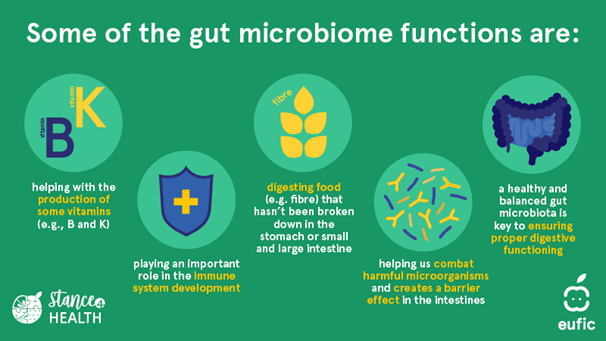
Fermented foods are a natural source of probiotics—live bacteria that can enhance gut health. Examples include yogurt, kefir, sauerkraut, kimchi, and miso. These foods introduce beneficial bacteria into your gut, which can help restore balance and support digestion. Regular consumption of fermented foods has been linked to improved immune function, reduced inflammation, and better mental health.
Practical Tip: Try making your own fermented foods at home, such as homemade yogurt or kombucha. This allows you to control the ingredients and ensure quality.
4. Stay Hydrated with Water

Water is essential for maintaining a healthy digestive system. It helps break down food, aids in nutrient absorption, and keeps the gut lining moist. Dehydration can lead to constipation and disrupt the balance of gut bacteria. Aim to drink at least 8 glasses of water a day, and consider adding lemon or herbal infusions for added benefits.
Practical Tip: Keep a water bottle with you throughout the day and sip regularly. Avoid sugary drinks and opt for water or herbal teas instead.
5. Manage Stress Effectively

Stress can have a profound impact on your gut health. Chronic stress can alter the composition of your gut microbiome, leading to imbalances and digestive issues. Techniques such as meditation, deep breathing, yoga, and regular exercise can help manage stress and support a healthier gut.
Practical Tip: Set aside time each day for relaxation. Even 10 minutes of deep breathing or a short walk can make a difference in your stress levels and gut health.
6. Get Enough Quality Sleep

Sleep plays a vital role in gut health. Studies have shown that poor sleep can disrupt the balance of gut bacteria, leading to increased inflammation and digestive problems. Aim for 7-9 hours of quality sleep each night. Create a calming bedtime routine, avoid screens before bed, and keep your sleeping environment cool and dark.
Practical Tip: Establish a consistent sleep schedule by going to bed and waking up at the same time each day. Avoid caffeine and heavy meals close to bedtime.
7. Limit Processed and Sugary Foods
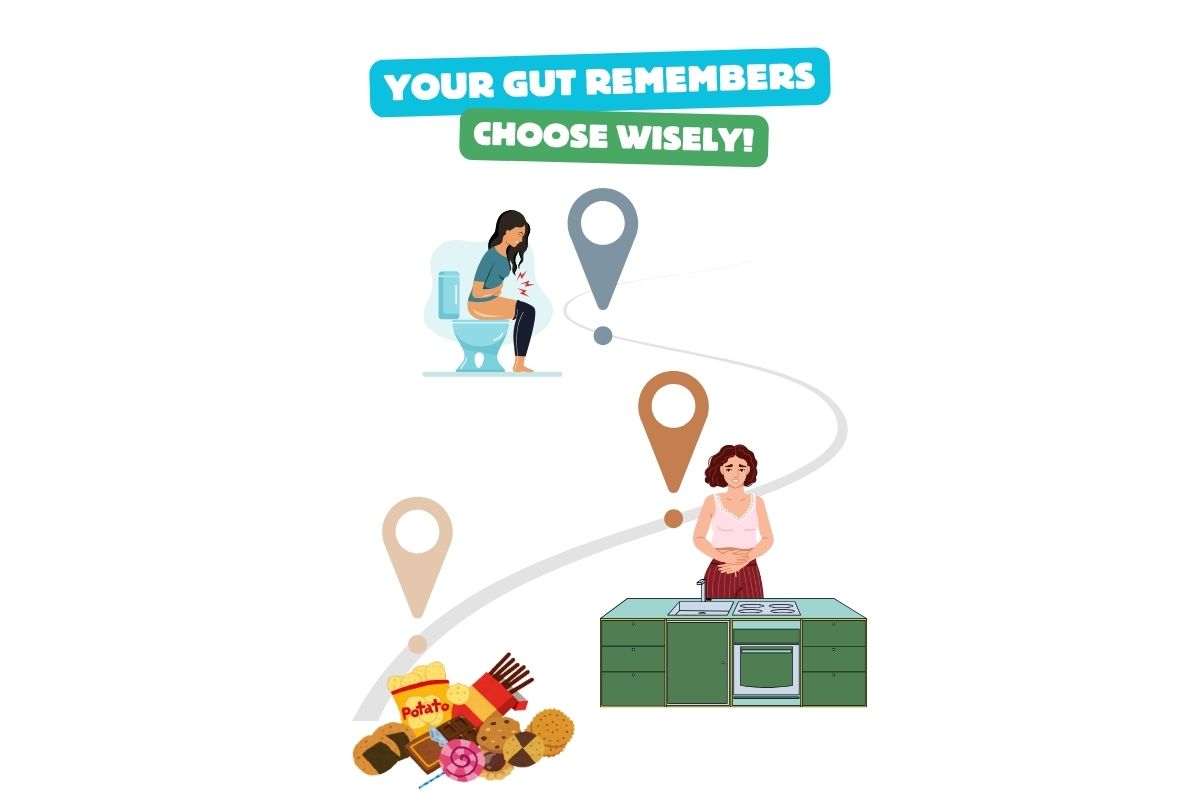
Processed and sugary foods can negatively affect your gut microbiome by promoting the growth of harmful bacteria. These foods often lack fiber and other essential nutrients, leading to an imbalance in gut flora. Instead, focus on whole, unprocessed foods that support a diverse and healthy gut microbiome.
Practical Tip: Read food labels carefully and choose whole foods over packaged options. Replace sugary snacks with fruits, nuts, or homemade energy bites.
8. Consider Probiotic Supplements

While fermented foods are a great source of probiotics, some people may benefit from taking a high-quality probiotic supplement. These supplements can help replenish beneficial bacteria, especially after antibiotic use or during times of stress. Look for supplements that contain multiple strains of bacteria and have a high CFU (colony-forming units) count.
Practical Tip: Consult with a healthcare professional to determine the best probiotic for your specific needs. Some popular options include Lactobacillus and Bifidobacterium strains.
9. Exercise Regularly

Regular physical activity is not only good for your body but also for your gut. Exercise can increase the diversity of gut bacteria and improve digestion. Aim for at least 30 minutes of moderate exercise most days of the week. Activities like walking, cycling, swimming, or yoga can all contribute to a healthier gut.
Practical Tip: Find an activity you enjoy to make it easier to stick with. Even a daily walk around the block can make a difference in your gut health.
10. Avoid Overuse of Antibiotics

While antibiotics are necessary for treating bacterial infections, their overuse can disrupt the balance of your gut microbiome. They kill both harmful and beneficial bacteria, leading to long-term imbalances. Only take antibiotics when prescribed by a healthcare professional and consider using probiotics afterward to help restore gut health.
Practical Tip: If you need to take antibiotics, talk to your doctor about ways to support your gut during and after treatment. Probiotics and fermented foods can help replenish beneficial bacteria.
Conclusion
Maintaining a healthy gut microbiome is essential for overall well-being. By adopting simple yet effective lifestyle changes—such as eating a fiber-rich diet, managing stress, staying hydrated, and incorporating fermented foods—you can support a balanced and thriving gut ecosystem. Remember, small, consistent changes can lead to significant improvements in your gut health over time. Listen to your body, seek professional guidance when needed, and prioritize your gut health as a foundation for a healthier, happier life.

Post a Comment for "10 Effective Tips to Restore and Maintain a Healthy Gut Microbiome"
Post a Comment