Understanding Stress Response Modulation: How to Manage and Improve Your Body's Reaction to Stress
Stress is an inevitable part of life, but how your body responds to it can significantly impact your overall well-being. Understanding stress response modulation—how your body manages and adapts to stress—can empower you to take control of your health. Whether you're dealing with work pressures, personal challenges, or environmental factors, knowing how to manage your stress response can lead to a more balanced, healthier lifestyle. This article will explore the science behind stress response modulation, practical strategies to improve it, and the importance of maintaining a healthy balance between stress and recovery.
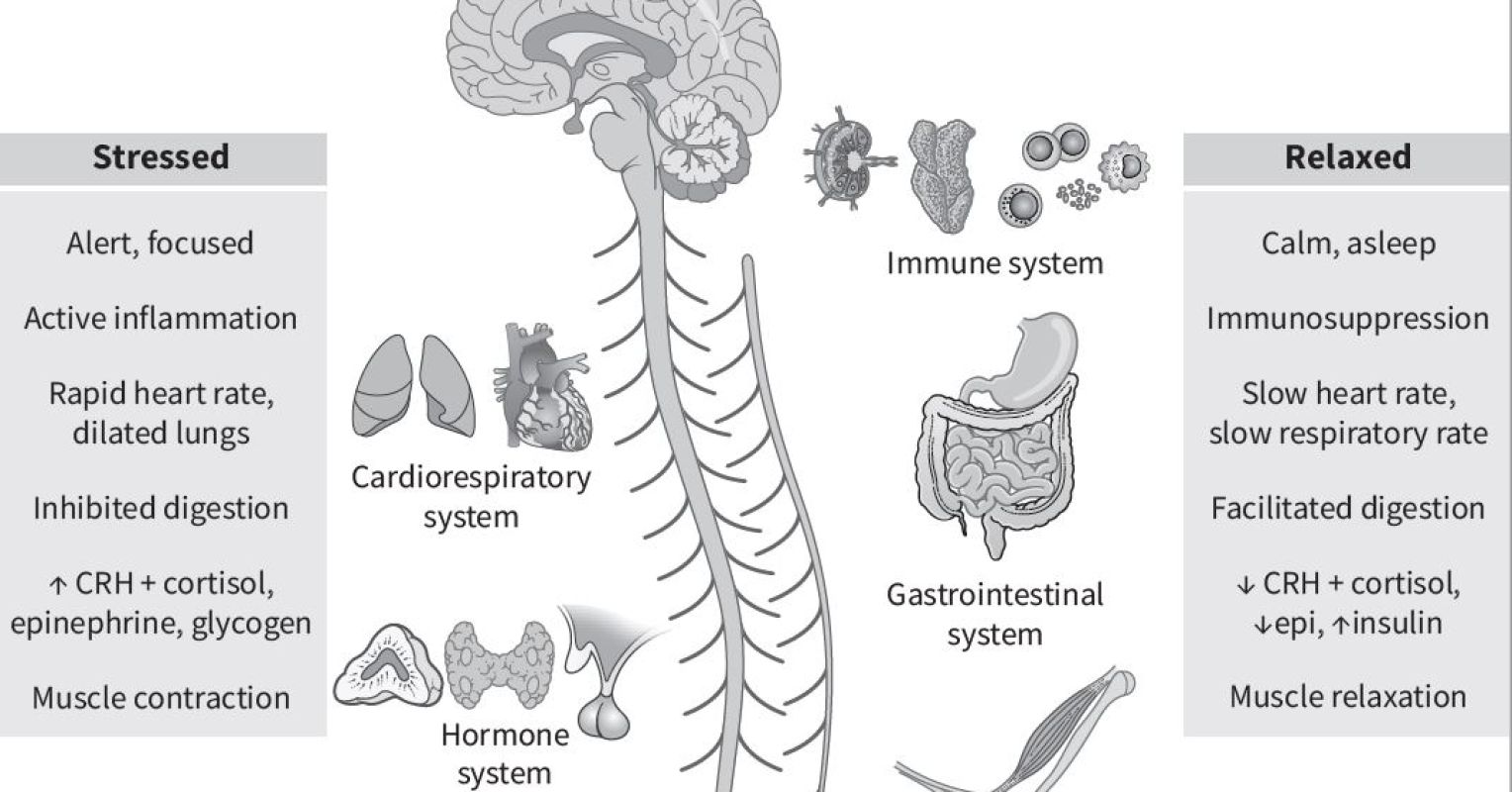
What Is Stress Response Modulation?

Stress response modulation refers to the body's ability to regulate its physiological and psychological reactions to stress. When faced with a stressor, your body activates the "fight or flight" response, releasing hormones like cortisol and adrenaline to prepare you for action. While this response is essential for survival, chronic or excessive stress can disrupt this balance, leading to long-term health issues.
The brain plays a central role in this process, particularly the hypothalamic-pituitary-adrenal (HPA) axis, which controls the release of stress hormones. Research has shown that certain brain regions, such as the BNST (bed nucleus of the stria terminalis), are involved in processing stress signals. Neurons expressing corticotropin-releasing factor (CRF) in the BNST are thought to promote negative responses to stress, highlighting the complex interplay between brain chemistry and stress management.
The Science Behind Stress Response Modulation

Recent studies have shed light on the mechanisms that underlie stress response modulation. For example, research conducted by Danny Winder, PhD, and colleagues found that acute restraint stress in mice activates CRF neurons in the BNST, supporting their role in stress-related behaviors. They also discovered that the drug guanfacine, which acts on inhibitory alpha2A-adrenergic receptors, reduces CRF neuron activity in both stressed and unstressed conditions.
This finding suggests that modulating the activity of these neurons could be a promising approach for managing stress. Additionally, the study revealed a unique population of CRF neurons in female mice, potentially explaining sex differences in stress responses. These insights offer valuable clues for developing therapeutics that target the stress response system.
Practical Strategies for Managing Stress Response
While scientific research provides a foundation for understanding stress, practical strategies are essential for applying this knowledge in everyday life. Here are some effective ways to manage and improve your body's reaction to stress:
- Exercise Regularly: Physical activity is one of the most effective ways to reduce stress. Exercise releases endorphins, which are natural mood lifters, and helps regulate the body's stress response.
- Practice Mindfulness and Meditation: Techniques such as meditation, deep breathing, and guided imagery can help calm the mind and reduce stress levels. These practices encourage a focus on the present moment, reducing anxiety and promoting relaxation.
- Maintain a Balanced Diet: A nutritious diet supports overall health and can influence how your body handles stress. Foods rich in omega-3 fatty acids, antioxidants, and B vitamins can help regulate mood and energy levels.
- Get Enough Sleep: Lack of sleep can exacerbate stress and impair your ability to cope with challenges. Aim for 7-9 hours of quality sleep each night to support your body's natural recovery processes.
- Build a Support Network: Social connections play a crucial role in stress management. Talking to friends, family, or a mental health professional can provide emotional support and help you navigate difficult situations.
The Role of Homeostasis in Stress Response
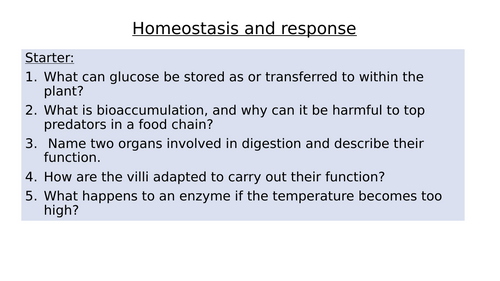
Homeostasis, the body's ability to maintain internal stability, is closely linked to stress response modulation. When exposed to stressors, the body initiates various mechanisms to restore balance. However, prolonged stress can disrupt homeostasis, leading to a range of health issues, including cardiovascular problems, weakened immunity, and mental health disorders.
Research suggests that stress response modulation is not just about managing immediate stress but also about supporting the body's long-term resilience. By fostering healthy habits and addressing underlying stressors, individuals can enhance their ability to adapt to challenges without compromising their well-being.
Long-Term Benefits of Effective Stress Management
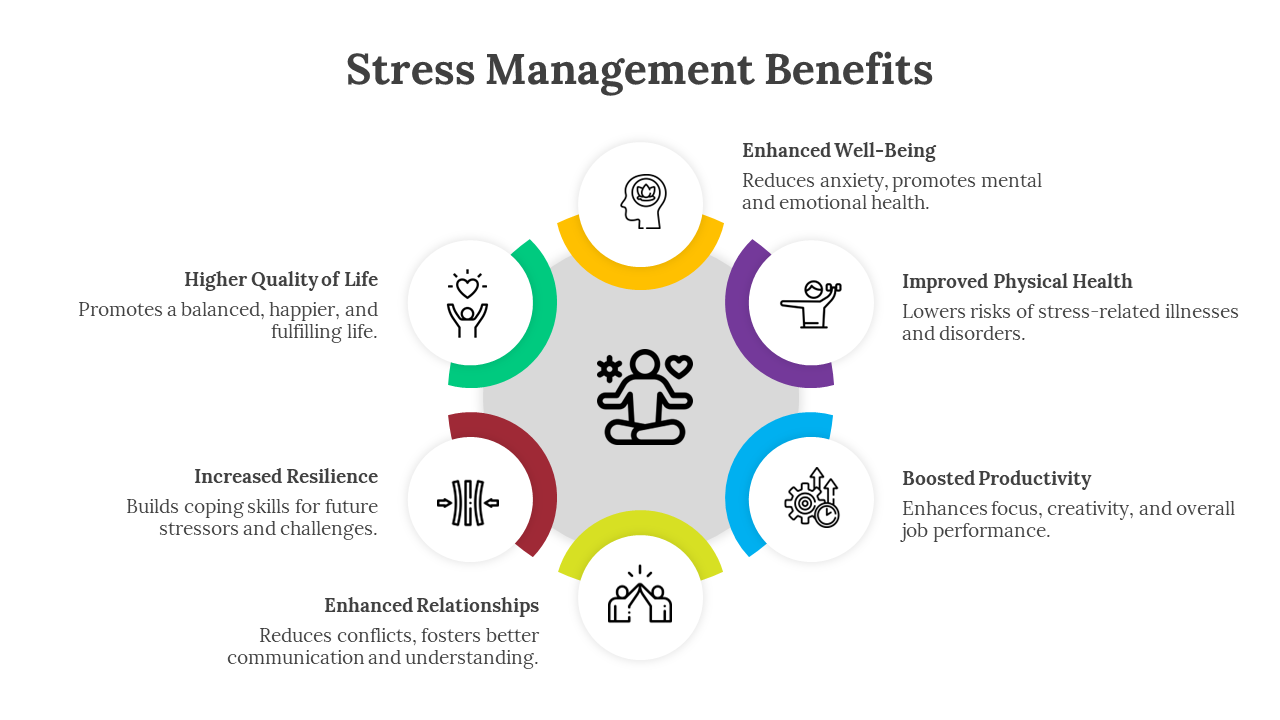
Managing stress effectively can have lasting benefits for both physical and mental health. Chronic stress has been linked to a variety of health problems, including heart disease, obesity, and depression. On the other hand, individuals who practice regular stress management techniques often experience improved mood, better sleep, and increased energy levels.
Moreover, the ability to modulate stress responses can enhance cognitive function and emotional resilience. By learning to recognize and respond to stress in a healthy way, individuals can build a stronger foundation for overall well-being.
Conclusion
Understanding stress response modulation is key to managing stress effectively and maintaining a healthy lifestyle. From the science behind brain chemistry to practical strategies for daily life, there are numerous ways to support your body's natural ability to handle stress. By incorporating these techniques into your routine, you can build resilience, improve your mental and physical health, and enjoy a more balanced, fulfilling life. Remember, while stress is a part of life, it doesn't have to define your well-being. With the right tools and mindset, you can take control of your stress response and thrive in any situation.

Post a Comment for "Understanding Stress Response Modulation: How to Manage and Improve Your Body's Reaction to Stress"
Post a Comment