Top Neuroplasticity Exercises You Can Do at Home
If you’ve ever wondered how your brain can adapt, grow, and even change over time, you’re not alone. The science of neuroplasticity—the brain’s ability to rewire itself—has been a game-changer in understanding human potential. And the best part? You don’t need a lab or a therapist to start harnessing this power. A wide range of neuroplasticity exercises can be done right from the comfort of your home.
Neuroplasticity is more than just a scientific concept; it’s a practical tool for improving cognitive function, emotional resilience, and even physical health. Whether you're looking to boost memory, reduce stress, or simply keep your brain sharp, there are numerous activities you can do daily that stimulate this incredible process. In this article, we’ll explore some of the most effective neuroplasticity exercises you can try at home, backed by research and expert insights.

Understanding Neuroplasticity

Before diving into specific exercises, it’s essential to understand what neuroplasticity really means. In simple terms, neuroplasticity refers to the brain's ability to form and reorganize synaptic connections, especially in response to learning or experience. This means your brain isn't fixed—it can change throughout your life, adapting to new challenges and experiences.
According to Dr. Marsha Chinichian, a clinical psychotherapist and founder of Mindshine, “The main point of neuroplasticity is that you can actually form and reorganize connections in your brain.” This adaptability is what allows us to learn new skills, recover from injuries, and even improve our mental health.
1. Learn a New Language

One of the most effective ways to stimulate neuroplasticity is by learning a new language. This activity requires your brain to process new sounds, vocabulary, and grammar structures, which all contribute to the formation of new neural pathways.
Research has shown that bilingual individuals often have increased grey matter density in areas of the brain associated with language, attention, and memory. Additionally, studies suggest that learning a language as an adult can strengthen white matter, which enhances communication between different regions of the brain.
To get started, consider using apps like Memrise or Duolingo, which make learning a new language fun and engaging. Even dedicating 15-20 minutes a day to language practice can have significant benefits for your brain.
2. Practice Mindfulness and Meditation
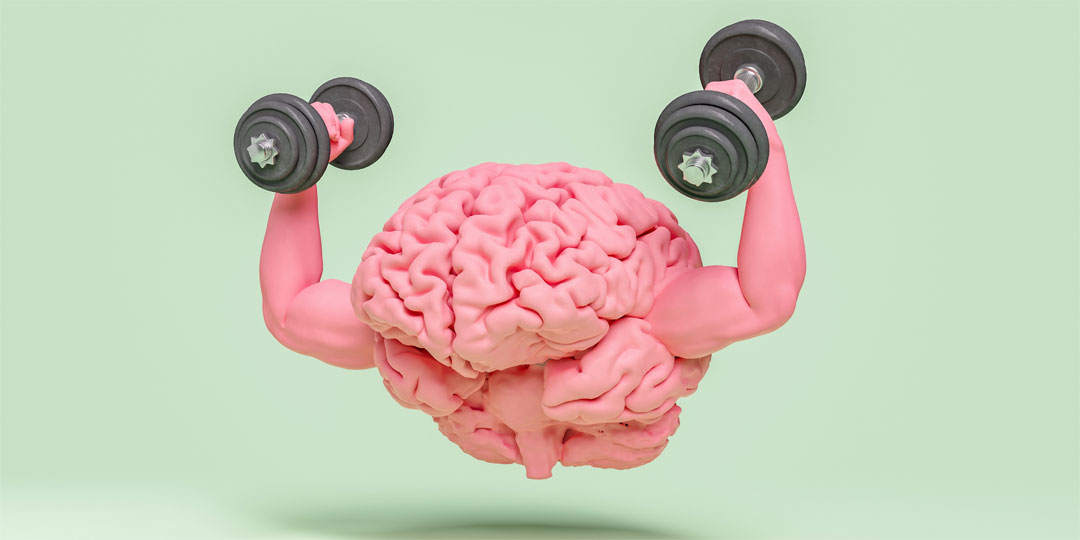
Mindfulness and meditation are powerful tools for enhancing neuroplasticity. These practices involve focusing your attention on the present moment, which can help reduce stress and improve cognitive function.
Dr. Lynda Shaw, a chartered psychologist, explains that “if you do enough bicep curls you’ll increase the size of your biceps. It’s the same process with your brain.” By regularly practicing mindfulness, you can strengthen the parts of your brain responsible for attention, emotional regulation, and self-awareness.
There are many forms of meditation, including mindfulness meditation, progressive relaxation, and guided meditations. Start with just a few minutes a day and gradually increase the duration as you become more comfortable.
3. Engage in Physical Exercise

Physical exercise is another excellent way to promote neuroplasticity. Aerobic activities like walking, running, or cycling increase blood flow to the brain, which can enhance cognitive function and support the growth of new neurons.
Dr. Tara Swart, a neuroscientist, notes that regular aerobic exercise can increase cell turnover in the brain by up to 14%, which can significantly improve learning and memory. Even a short walk around the block can have a positive impact on your brain health.
Incorporate at least 30 minutes of physical activity into your daily routine. This doesn’t have to be intense—just moving your body consistently can make a big difference.
4. Try Non-Dominant Hand Exercises

Using your non-dominant hand for everyday tasks can be a fun and effective way to stimulate neuroplasticity. Activities like brushing your teeth, writing, or opening doors with your left hand (if you're right-handed) challenge your brain to form new neural connections.
This type of exercise forces your brain to pay attention and engage in a task that’s not automatic, which can enhance cognitive flexibility and problem-solving skills. Plus, it’s a great way to add some variety to your daily routine.
5. Play Brain-Training Games

Brain-training games, such as Sudoku, crosswords, or logic puzzles, can also help improve neuroplasticity. These activities require focused attention and problem-solving skills, which can strengthen neural pathways in the brain.
However, it’s important to note that not all brain-training games are created equal. According to experts, activities that are attention-intensive and challenging are more likely to produce meaningful changes in the brain. So, instead of just solving a few puzzles, try to engage in more complex tasks that push your cognitive limits.
6. Learn a Musical Instrument

Learning to play a musical instrument is another fantastic way to boost neuroplasticity. Playing an instrument requires coordination, memory, and fine motor skills, all of which can enhance brain function.
Studies have shown that musicians often have increased grey matter in areas of the brain associated with motor control, auditory processing, and memory. Even if you’re not a professional musician, picking up an instrument and practicing regularly can have significant cognitive benefits.
7. Expand Your Vocabulary

Expanding your vocabulary is a simple yet effective way to stimulate neuroplasticity. Learning new words every day can create new neural pathways in your brain, enhancing your ability to communicate and think critically.
Dr. Natalia Ramsden, a business psychologist, suggests that “learning one new word every day” can spark a multitude of new neural pathways. Over time, this habit can make you more articulate and improve your overall cognitive function.
Make it a goal to learn a new word each day and try to use it in conversation. Not only will this help your brain, but it might also impress your friends at Scrabble night!
8. Juggle

Juggling is a fun and effective way to improve neuroplasticity. This activity requires hand-eye coordination, focus, and spatial awareness, all of which can enhance brain function.
Research has shown that adults who learn to juggle experience an increase in grey matter in the occipito-temporal cortex. This area of the brain is involved in visual processing and motor control, making juggling a great way to challenge your brain.
Start with a few balls and practice regularly. As you improve, you’ll notice improvements in your coordination and cognitive abilities.
9. Practice Gratitude and Reflection

Gratitude and reflection are powerful tools for enhancing neuroplasticity. Taking time to reflect on your day and express gratitude can help reduce stress and improve emotional well-being.
Dr. Marsha Chinichian emphasizes the importance of “reflection and gratitude for small wins” in promoting neuroplasticity. Ending your day with a brief reflection can create a positive feedback loop that supports brain health.
Try keeping a gratitude journal or take a few minutes each evening to reflect on what went well that day. This simple practice can have a profound impact on your mental and emotional well-being.
Conclusion
Neuroplasticity is a powerful concept that shows how adaptable and resilient the human brain can be. By incorporating simple, daily exercises into your routine, you can enhance your cognitive function, improve your mental health, and even boost your physical well-being.
Whether you choose to learn a new language, practice mindfulness, or simply take a walk, the key is consistency. The more you engage in activities that challenge your brain, the more you’ll reap the benefits of neuroplasticity.
So why wait? Start exploring these neuroplasticity exercises today and discover the amazing potential of your brain. With dedication and effort, you can unlock new levels of cognitive function and personal growth. Remember, your brain is capable of remarkable change—and the journey starts right at home.

Post a Comment for "Top Neuroplasticity Exercises You Can Do at Home"
Post a Comment