The Ultimate Neuroprotective Diet for Aging: Boost Brain Health Naturally
As life expectancy continues to rise, so does the prevalence of age-related cognitive decline and neurodegenerative diseases like Alzheimer’s. With more people living longer, maintaining brain health has become a critical concern for many. While genetics play a role in cognitive aging, lifestyle choices—especially diet—can significantly influence how well our brains function as we grow older. A growing body of research suggests that certain dietary patterns can act as powerful tools in protecting the brain from degeneration and supporting long-term cognitive resilience.
In this article, we’ll explore the science behind the neuroprotective diet for aging, uncovering how specific foods and eating habits can support brain health, reduce inflammation, and even slow the progression of cognitive decline. Whether you're looking to protect your own brain or help a loved one, this guide will provide actionable insights into the best dietary strategies for a sharper, healthier mind.
What Is a Neuroprotective Diet?

A neuroprotective diet is a nutritional approach designed to shield the brain from damage and promote cognitive resilience. It focuses on foods rich in antioxidants, anti-inflammatory compounds, and essential nutrients that support brain cell function, reduce oxidative stress, and enhance neural communication.
These diets are not just about avoiding harmful substances; they’re also about incorporating foods that actively nourish the brain. Research has shown that diets high in fruits, vegetables, whole grains, healthy fats, and lean proteins can improve memory, focus, and overall mental clarity. For older adults, these benefits can be especially valuable in delaying or preventing conditions like dementia and Alzheimer’s disease.
The Mediterranean Diet: A Brain-Boosting Powerhouse
The Mediterranean diet is often cited as one of the most effective neuroprotective diets. Originating from the traditional eating habits of countries like Greece, Italy, and Spain, this diet emphasizes:
- Colorful fruits and vegetables: Rich in antioxidants that combat free radicals and reduce inflammation.
- Healthy fats: Olive oil, nuts, and fatty fish like salmon provide omega-3 fatty acids, which are crucial for brain health.
- Whole grains: Brown rice, quinoa, and whole wheat bread support steady energy levels and cognitive function.
- Herbs and spices: Turmeric, garlic, and cinnamon offer anti-inflammatory and neuroprotective properties.
A 2022 study found that individuals who closely followed a Mediterranean diet had a 25% reduced risk of mild cognitive impairment and a 29% lower risk of Alzheimer’s disease. This diet isn’t just good for the heart—it’s also a powerful tool for preserving brain function as we age.
The MIND Diet: A Tailored Approach for Cognitive Health

While the Mediterranean diet is widely praised, the MIND (Mediterranean-DASH Intervention for Neurodegenerative Delay) diet is specifically designed to target brain health. Developed by researchers at Rush University Medical Center, the MIND diet combines elements of the Mediterranean and DASH (Dietary Approaches to Stop Hypertension) diets with a focus on foods that have been shown to protect against cognitive decline.
Key components of the MIND diet include:
- Leafy green vegetables: Spinach, kale, and collard greens are rich in vitamins and minerals that support brain function.
- Berries: Blueberries, strawberries, and other berries are packed with flavonoids that may improve memory and reduce oxidative stress.
- Nuts and seeds: Almonds, walnuts, and flaxseeds provide healthy fats and antioxidants.
- Fish: Fatty fish like salmon and mackerel are high in omega-3s, which are essential for brain development and maintenance.
- Whole grains: Oats, brown rice, and whole-grain bread help regulate blood sugar, which is important for cognitive health.
Studies have shown that those who follow the MIND diet closely may experience up to a 53% reduction in Alzheimer’s risk. This diet is particularly effective because it targets specific brain-boosting nutrients while limiting processed foods and red meat.
The Role of Anti-Inflammatory Foods
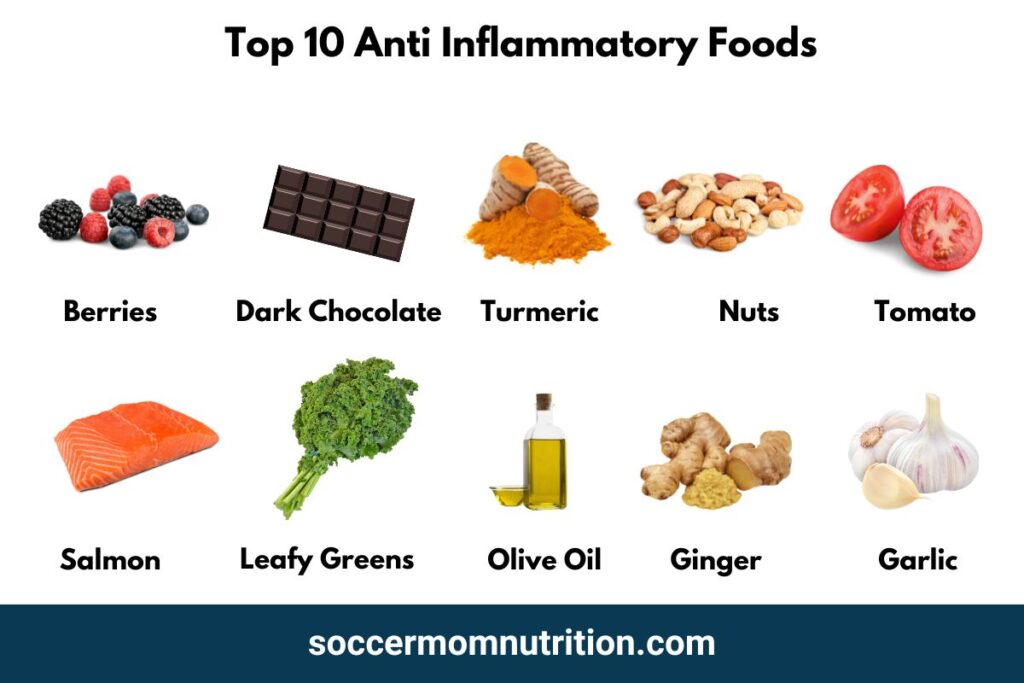
Chronic inflammation is a key driver of many age-related diseases, including neurodegenerative conditions. A neuroprotective diet should therefore prioritize anti-inflammatory foods that help reduce systemic inflammation and support brain health.
Some of the most potent anti-inflammatory foods include:
- Turmeric: Contains curcumin, a compound that reduces inflammation and may protect against neurodegeneration.
- Green tea: Rich in polyphenols that have antioxidant and anti-inflammatory effects.
- Fatty fish: Omega-3 fatty acids in salmon, sardines, and mackerel reduce brain inflammation.
- Dark chocolate: Contains flavonoids that improve blood flow to the brain and support cognitive function.
- Garlic and onions: Contain sulfur compounds that may help reduce oxidative stress and inflammation.
Incorporating these foods into your daily meals can create a protective environment for the brain, reducing the risk of cognitive decline and enhancing mental clarity.
The Gut-Brain Connection
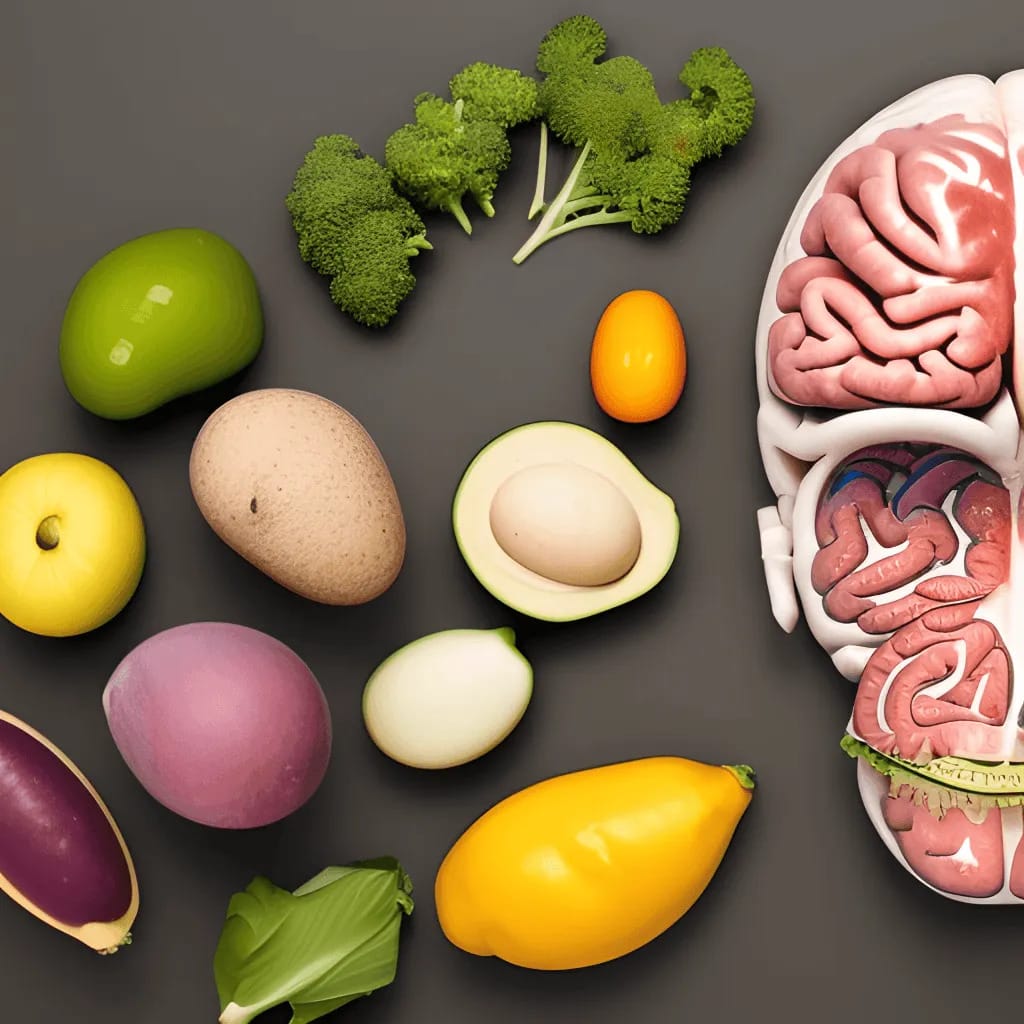
Recent research has highlighted the gut-brain axis, a bidirectional communication system between the gut and the brain. A healthy gut microbiome is essential for maintaining cognitive function, and diet plays a central role in shaping this microbial community.
Foods that support a healthy gut include:
- Probiotics: Found in yogurt, kefir, and fermented vegetables, these foods promote the growth of beneficial bacteria.
- Prebiotics: Fiber-rich foods like bananas, apples, and oats feed the good bacteria in your gut.
- Fermented foods: Sauerkraut, kimchi, and miso are rich in live cultures that support digestive and cognitive health.
By nurturing your gut, you can improve brain function, reduce inflammation, and even enhance mood and memory. A neuroprotective diet should therefore include a variety of gut-friendly foods to support overall brain health.
Practical Tips for Adopting a Neuroprotective Diet
If you're looking to start a neuroprotective diet, here are some practical steps to get you started:
- Prioritize whole, unprocessed foods: Focus on fresh fruits, vegetables, whole grains, and lean proteins.
- Limit processed and sugary foods: These can increase inflammation and negatively impact brain function.
- Incorporate healthy fats: Use olive oil, avocados, and nuts as your primary sources of fat.
- Eat plenty of leafy greens: Add spinach, kale, and other dark greens to your meals for a nutrient boost.
- Stay hydrated: Water is essential for cognitive function and helps flush out toxins from the body.
- Plan balanced meals: Aim for a mix of protein, healthy fats, and complex carbohydrates at each meal.
By making small, consistent changes to your diet, you can create a powerful foundation for long-term brain health.
Conclusion
Aging doesn’t have to mean a decline in cognitive function. With the right nutrition, you can support your brain’s health and reduce the risk of neurodegenerative diseases. The neuroprotective diet for aging is not just a trend—it’s a scientifically supported approach to maintaining mental sharpness and vitality throughout your lifetime.
Whether you choose the Mediterranean diet, the MIND diet, or a combination of both, the key is to focus on whole, nutrient-dense foods that nourish your brain and body. By making smart dietary choices today, you can protect your cognitive future and enjoy a higher quality of life as you age.
Remember, your diet is one of the most powerful tools you have for maintaining brain health. Start small, stay consistent, and watch your mental clarity and resilience grow over time.

Post a Comment for "The Ultimate Neuroprotective Diet for Aging: Boost Brain Health Naturally"
Post a Comment