The Ultimate Guide to Personalized Microbiome Testing: What You Need to Know
Have you ever wondered how the trillions of tiny organisms living in your gut affect your health? The gut microbiome refers to the community of bacteria, fungi, and viruses that reside in your gastrointestinal (GI) tract. These microorganisms play a vital role in digestion, immunity, and even mental well-being. GI testing is a tool designed to analyze the composition of your gut microbiome, helping uncover insights about your overall health. 🌱 As more people become aware of the connection between gut health and chronic conditions, interest in these tests has skyrocketed.
In this article, we’ll break down what the gut microbiome is, how GI testing works, and what it can reveal about your health. We’ll also explore its limitations, practical applications, and future advancements. By the end, you’ll have a clearer understanding of whether GI testing might be right for you—and how services like those offered by The Nature Doctors can guide you on this journey. Let’s dive in! 🧪✨
What Is the Gut Microbiome?

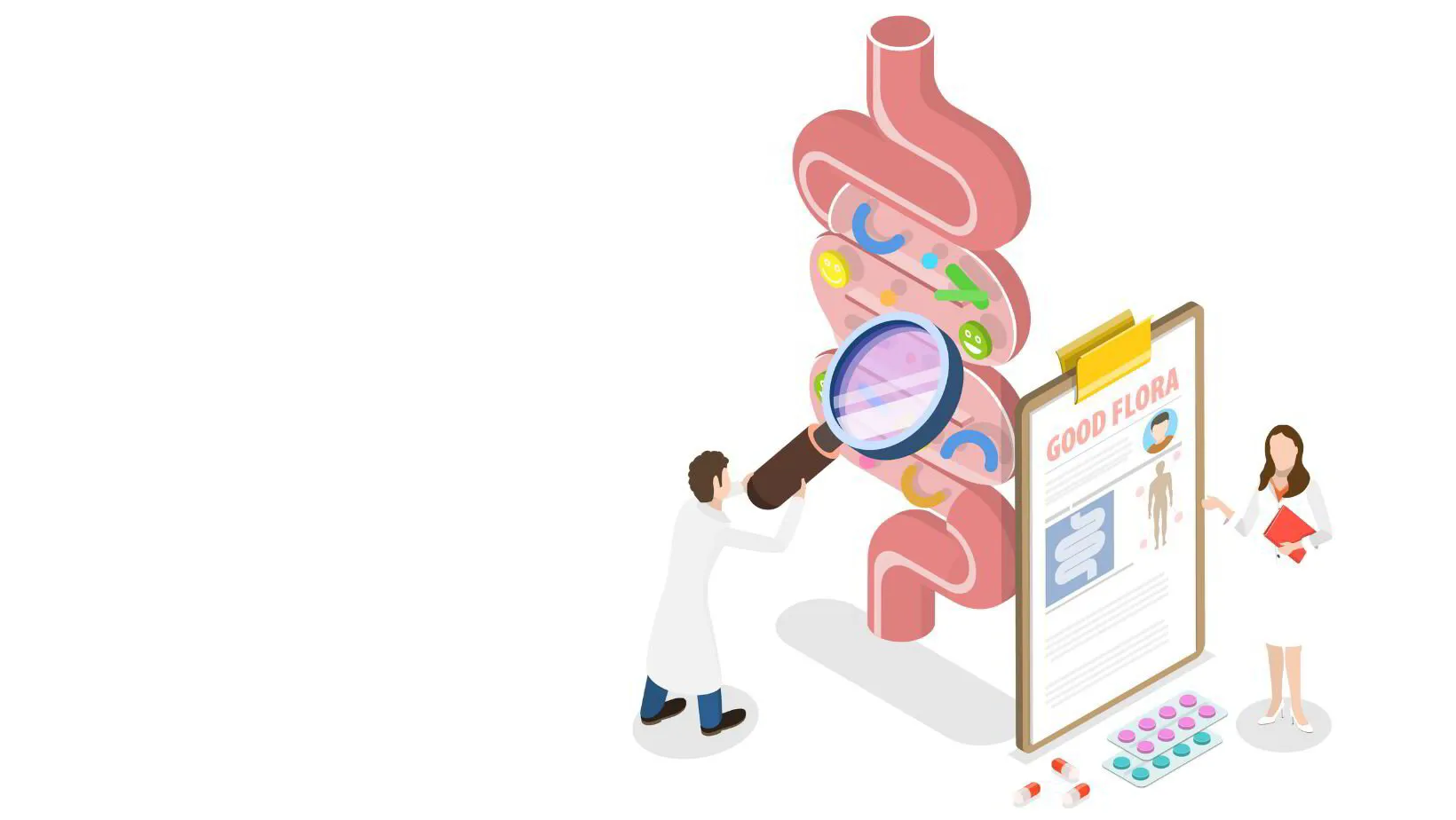
The gut microbiome is essentially an ecosystem made up of trillions of microorganisms that live in your digestive tract. These include bacteria, fungi, viruses, and other tiny life forms. While some of these microbes are harmful, many are beneficial and crucial for maintaining balance in your body. Think of your gut microbiome as a bustling city where each organism has a specific job to keep things running smoothly. 🏙️ From breaking down food to producing essential vitamins, these microbes work tirelessly behind the scenes.
This microbial community doesn’t just handle digestion—it also plays a key role in regulating your immune system and influencing your mood. For example, studies suggest that an imbalance in gut bacteria may contribute to conditions like irritable bowel syndrome (IBS), obesity, and even depression. Understanding the gut microbiome opens the door to personalized health strategies, making it one of the most exciting areas of modern medicine. 🔬💡
What Is GI (Gut Microbiome) Testing?

GI microbiome testing involves analyzing the composition of your gut microbiome to gain insights into its health and function. This type of test typically uses advanced laboratory techniques to identify the types and quantities of microorganisms present in your gut. The goal is to determine whether your microbiome is balanced or if there are imbalances that could be affecting your health. 🧪📊
"The gut microbiome, a complex ecosystem of trillions of bacteria, fungi, viruses and other microorganisms within the digestive system, provides insights into overall well-being." -Mayo Clinic
These tests can reveal a lot about your gut, such as the diversity of bacteria, the presence of harmful pathogens, and potential markers of inflammation. Some tests, like those offered by The Nature Doctors, provide actionable recommendations based on your results, such as dietary changes or probiotic supplements. However, it’s important to remember that while these tests offer valuable information, they are not diagnostic tools but rather guides for optimizing health. 🌟
How Is Gut Microbiome Testing Done?

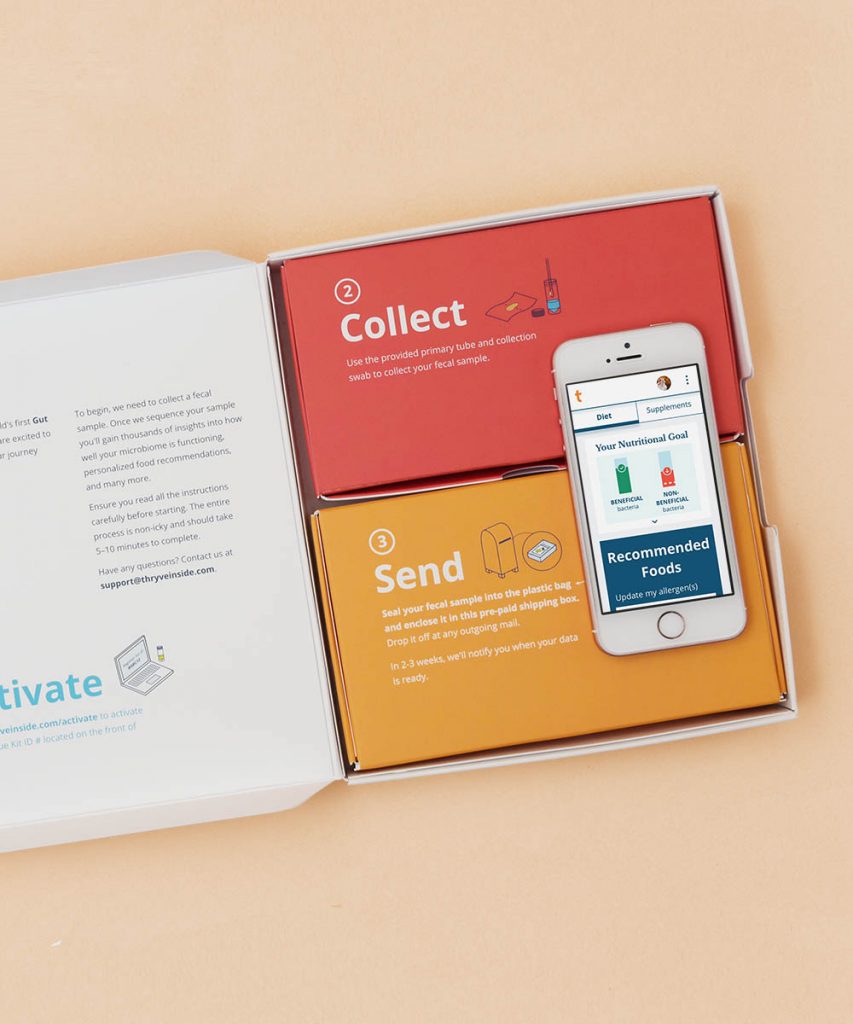
Gut microbiome testing usually starts with collecting a stool sample at home. This process is straightforward: you’ll use a provided kit to collect a small amount of stool and send it to a lab for analysis. Once received, the lab uses DNA sequencing or similar methods to identify the microorganisms present in your sample. Don’t worry—modern kits are designed to make this process as hygienic and hassle-free as possible. 📦🔬
"16S rRNA sequencing is an older analytical approach...it can only provide an indication of the bacteria present at the genus level...Deep shotgun sequencing is a more advanced technique which identifies all DNA present, possibly providing strain-level details." -MyNutriWeb
After collection, the real magic happens in the lab. Scientists extract and analyze the genetic material from your sample to create a detailed profile of your gut microbiome. Results are typically available within a few weeks and often include a report explaining what was found. For patients, this means minimal effort but maximum insight into their gut health. It’s like sending a tiny detective squad into your digestive system! 🕵️♀️🔍
Types of GI Microbiome Tests: 16S vs. Shotgun Sequencing

One common method of gut microbiome testing is 16S rRNA sequencing. This technique focuses on a specific gene found in all bacteria, allowing researchers to identify different bacterial groups. While 16S sequencing is cost-effective and widely used, it has limitations. It can only classify bacteria at the genus level, meaning it provides a broad overview rather than detailed specifics. Additionally, it doesn’t detect fungi, viruses, or other non-bacterial organisms. 🧬📉
"Gut microbiome testing requires either some or all of a poo sample to be collected in a container and sent to a lab for analysis." -Guts Charity UK
On the other hand, deep shotgun sequencing offers a more comprehensive approach. This method analyzes all the DNA in your sample, providing a complete picture of every microorganism present—including bacteria, fungi, and viruses. While more expensive and complex, shotgun sequencing delivers highly detailed results, including strain-level identification and functional insights. It’s like upgrading from a basic map to a GPS with street-level detail! 🗺️🎯
Why is Gut Health Important?

To understand the importance of microbiome testing, we must first understand why gut health is so important.
First and foremost, a healthy gut ensures that food is properly broken down and nutrients are well-absorbed into the body.
However, what is less commonly known is that a significant portion of the immune system resides in the gut. A balanced microbiome, therefore, may help protect against pathogens and support immune responses.
Interestingly, gut health has also been found to be closely linked to mental health. The gut-brain axis is the communication network that links the gut and brain. Indeed, researchers have found strong correlations between gut problems and mental health conditions such as anxiety and depression.
Additionally, a healthy gut helps regulate inflammation, which may reduce the risk of chronic conditions like obesity, diabetes, and heart disease.
Gut bacteria also affect metabolism, influencing weight management and energy levels.
Finally, our gut plays an important role in detoxifying the body by processing and removing waste and other substances.
Benefits of Microbiome Testing
Understanding one’s microbiome can help people tailor their diets to support beneficial bacteria and overall health.
For individuals with gastrointestinal issues or other health conditions, microbiome testing can lead to greater knowledge of the factors behind one’s symptoms, allowing one to recognize and manage symptoms early before they manifest into more significant health concerns.
By supporting gut health, individuals may also experience better digestion, mood, and increased energy levels.
Pitfalls of Microbiome Testing

While microbiome testing kits are the product of billions of dollars of research and investment, some scientists have been critical of the industry, with some even labeling it as snake oil.5
Much of the criticism points to the lack of regulations surrounding the industry, as well as its unverifiable claims.
“These companies claim they can determine whether a customer’s microbiome is healthy or in ‘dysbiosis’ — out of balance — and suggest that if so, it could be the reason for one or more health problems. Some of these companies may knowingly mislead consumers, while most appear to engage in questionable practices that are permitted by gaps in the current regulatory framework,” researchers wrote in a paper published in the journal Science.6
Another issue raised in this paper is the lack of consistency among test results, as well as the difficulty of drawing meaningful conclusions from the results.
While scientists agree that understanding the human microbiome could transform future healthcare and support disease prevention, they believe more research is needed.
“[Microbiome tests] may be part of our clinical testing,” said Dr Vijaya Surampudi, a nutrition specialist at UCLA Health. “Possible uses might include assessing how a person responds to a particular medication or food. But we’re not there yet.”6
Conclusion
Personalized microbiome testing offers a powerful way to understand and optimize your gut health. From identifying imbalances to guiding dietary and lifestyle changes, these tests can provide valuable insights into your overall well-being. However, it's important to approach them with a critical eye, recognizing both their potential and their limitations. As research continues to evolve, the future of microbiome-based diagnostics looks promising, offering new opportunities for personalized healthcare. Whether you're looking to improve digestion, boost immunity, or enhance mental clarity, understanding your microbiome is a crucial step toward achieving optimal health. 🧠肠道健康与整体健康息息相关,通过科学的微生物组检测,我们可以更好地了解并改善自己的身体状况。

Post a Comment for "The Ultimate Guide to Personalized Microbiome Testing: What You Need to Know"
Post a Comment