The Ultimate Guide to Performance Biohacking for Athletes
In the world of competitive sports, every second counts. Whether you're a professional athlete or a weekend warrior, the pursuit of peak performance is relentless. While traditional training methods and nutrition plans are essential, a growing number of athletes are turning to performance biohacking as a way to gain that extra edge. This cutting-edge approach combines science, technology, and lifestyle adjustments to optimize physical and mental capabilities. If you're looking to elevate your game, this guide will walk you through the most effective biohacking strategies tailored for athletes.
Understanding Performance Biohacking

Performance biohacking is the practice of using science-based techniques to enhance athletic performance by optimizing biological functions. It involves making small, strategic changes to your body’s systems—such as sleep, diet, recovery, and mental focus—to unlock greater strength, speed, and endurance. Unlike generic fitness advice, biohacking is highly personalized, allowing athletes to tailor their routines based on their unique physiology and goals.
The goal of performance biohacking is not just to improve short-term results but to create sustainable, long-term gains. By understanding how your body works, you can make informed decisions that lead to better recovery, faster adaptation, and more consistent performance.
Key Areas of Performance Biohacking for Athletes
1. Sleep Optimization: The Foundation of Recovery
Sleep is often overlooked, but it's one of the most critical components of athletic performance. During sleep, your body repairs muscles, consolidates memory, and regulates hormones that impact energy and mood. Poor sleep can lead to decreased reaction times, reduced strength, and impaired decision-making—factors that can significantly affect performance.
Biohacking Tips for Better Sleep: - Maintain a consistent sleep schedule, aiming for 7–9 hours per night. - Create a sleep-friendly environment by keeping your bedroom cool, dark, and quiet. - Avoid screens 1–2 hours before bed to reduce blue light exposure. - Use relaxation techniques like meditation or deep breathing to ease into sleep.
Studies have shown that athletes who prioritize sleep experience faster recovery and improved cognitive function. For example, NBA players who get adequate rest perform better in games and have fewer injuries.
2. Nutrition and Supplementation: Fueling Your Body

What you eat directly impacts how your body performs. Performance biohacking emphasizes nutrient-dense foods, timing of meals, and targeted supplementation to support energy, recovery, and muscle growth.
Key Strategies: - Follow an intermittent fasting protocol, such as the 16/8 method, to improve metabolic efficiency. - Incorporate high-quality proteins, healthy fats, and complex carbohydrates to fuel workouts and recovery. - Consider supplements like creatine, omega-3s, and electrolytes to enhance performance and reduce fatigue.
For instance, many elite athletes use electrolyte optimization to maintain hydration and prevent cramps during intense training. Similarly, peptide therapy is gaining popularity among professional athletes for its ability to accelerate tissue repair and muscle growth.
3. Recovery Techniques: Speeding Up Healing

Recovery is just as important as training. Without proper recovery, your body cannot adapt and grow stronger. Performance biohacking offers several advanced recovery techniques to help athletes bounce back faster.
Effective Recovery Methods: - Cold exposure: Ice baths, cryotherapy, or cold showers can reduce inflammation and speed up muscle recovery. - Compression therapy: Wearing compression garments or using pneumatic boots helps increase blood flow and flush out lactic acid. - Red light therapy: This non-invasive treatment uses specific wavelengths of light to stimulate cellular repair and reduce pain.
Many top athletes, including Usain Bolt and LeBron James, use these techniques to stay at the top of their game. For example, cryotherapy has been shown to reduce muscle soreness and improve recovery time after intense workouts.
4. Mental Focus and Cognitive Enhancement

Athletic performance isn’t just about physical strength—it also requires mental clarity, focus, and resilience. Performance biohacking includes techniques to sharpen your mind and improve decision-making under pressure.
Mental Biohacking Strategies: - Practice breathwork techniques like the Wim Hof Method to increase oxygen efficiency and calm the nervous system. - Use nootropics such as caffeine, L-theanine, or adaptogens like Ashwagandha to boost cognitive function. - Engage in gratitude practices or mindfulness exercises to reduce stress and improve emotional well-being.
A strong mental game can make the difference between winning and losing. Many elite athletes incorporate functional music or binaural beats into their routines to enhance focus and motivation during training.
5. Technology and Wearables: Tracking Progress
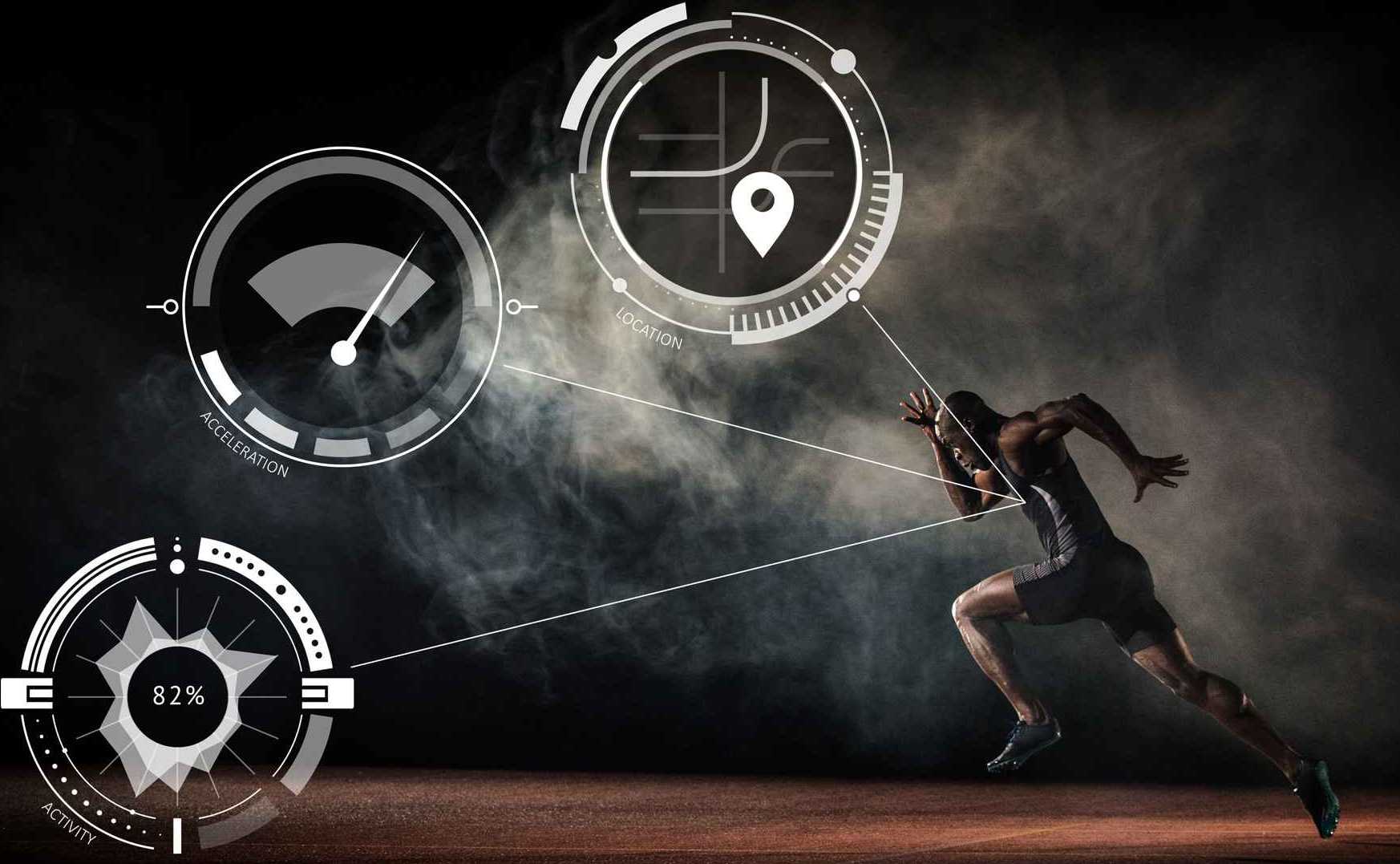
Modern technology has made it easier than ever to monitor and optimize performance. Wearable devices like smartwatches, heart rate monitors, and GPS trackers provide real-time data on your activity, sleep, and recovery.
How to Use Tech for Biohacking: - Track your heart rate variability (HRV) to assess stress levels and recovery status. - Monitor sleep quality to identify patterns and make adjustments. - Use GPS tracking to analyze movement and technique during training.
These tools allow athletes to make data-driven decisions and fine-tune their routines for maximum effectiveness.
Final Thoughts: Embrace the Power of Biohacking
Performance biohacking is more than just a trend—it's a powerful tool that can transform the way you train, recover, and perform. By combining science, technology, and personalization, athletes can unlock their full potential and achieve results that were once thought impossible.
Whether you're looking to improve your sleep, optimize your nutrition, or enhance your mental focus, there's a biohacking strategy that can help you reach your goals. The key is to experiment, stay consistent, and remain open to new ideas.
Remember, biohacking is not a one-size-fits-all approach. What works for one athlete may not work for another. The best way to succeed is to understand your own body and make adjustments that align with your unique needs and objectives.
So take the first step today. Start small, stay committed, and watch your performance soar. With the right mindset and tools, you can become the best version of yourself—both in sport and in life.

Post a Comment for "The Ultimate Guide to Performance Biohacking for Athletes"
Post a Comment