The Ultimate Guide to Peptide Supplements for Gut Healing
The gut is often referred to as the body's "second brain," and for good reason. It plays a crucial role in digestion, immunity, and even mental health. When the gut lining becomes compromised—leading to increased intestinal permeability, or "leaky gut"—it can trigger widespread inflammation and a host of health issues. Fortunately, peptide supplements have emerged as a promising tool for supporting gut healing. This guide will explore how peptides work, which ones are most effective, and how to integrate them into your wellness routine.
Understanding Leaky Gut and Its Impact

Leaky gut, or increased intestinal permeability, occurs when the tight junctions between intestinal cells become loose, allowing toxins, undigested food particles, and bacteria to leak into the bloodstream. This breach can lead to chronic inflammation, digestive discomfort, fatigue, and even autoimmune conditions. While the science is still evolving, many researchers believe that addressing the root causes of leaky gut—such as diet, stress, and environmental factors—is essential for long-term health.
Peptides, which are short chains of amino acids, play a critical role in cellular communication and repair. They can help restore the gut lining, reduce inflammation, and support the immune system. By understanding how peptides interact with the gut, you can make informed decisions about incorporating them into your health regimen.
Key Peptides for Gut Healing

Several peptides have shown promise in supporting gut health. Here are some of the most researched and effective ones:
1. BPC-157
BPC-157 is a synthetic peptide derived from human gastric juice. It has been extensively studied in animal models for its ability to heal the gut lining, reduce inflammation, and promote tissue regeneration. BPC-157 works by stimulating angiogenesis (the formation of new blood vessels) and enhancing nitric oxide signaling, which helps maintain the integrity of the gut barrier.
2. KPV
KPV is a fragment of alpha-MSH, a hormone involved in regulating inflammation. It has anti-inflammatory properties that can help reduce gut inflammation and support the repair of the intestinal lining. KPV also modulates immune responses, making it a valuable tool for managing conditions like inflammatory bowel disease (IBD).
3. TB-500
TB-500 is a synthetic version of thymosin beta-4, a protein involved in cell migration and tissue repair. While it's more commonly associated with muscle and soft tissue healing, TB-500 has shown potential in supporting gut health by promoting epithelial regeneration and reducing fibrosis.
4. LL-37
LL-37 is an antimicrobial peptide that helps protect the gut lining from harmful pathogens. It also has anti-inflammatory properties and can support the balance of gut microbiota, which is essential for overall digestive health.
5. Thymosin Alpha-1
Thymosin Alpha-1 is a peptide that supports immune function and has been studied for its role in regulating immune tolerance. In the context of gut health, it may help reduce inflammation and support the body's natural defenses against gut-related disorders.
How Peptides Support Gut Health

Peptides can support gut health in several ways:
- Strengthening the Gut Barrier: Peptides like BPC-157 and KPV help reinforce the tight junctions between intestinal cells, reducing permeability and preventing harmful substances from entering the bloodstream.
- Reducing Inflammation: Anti-inflammatory peptides such as KPV and LL-37 can help calm the gut and reduce the risk of chronic inflammation, which is a common issue in conditions like IBD.
- Promoting Tissue Repair: Peptides like TB-500 and BPC-157 stimulate cell proliferation and tissue regeneration, aiding in the healing of damaged gut lining.
- Supporting Immune Function: Thymosin Alpha-1 and LL-37 play a role in modulating the immune system, helping to maintain a balanced response to gut-related challenges.
By targeting these key areas, peptides offer a multifaceted approach to gut healing that complements traditional dietary and lifestyle interventions.
Integrating Peptides Into Your Routine
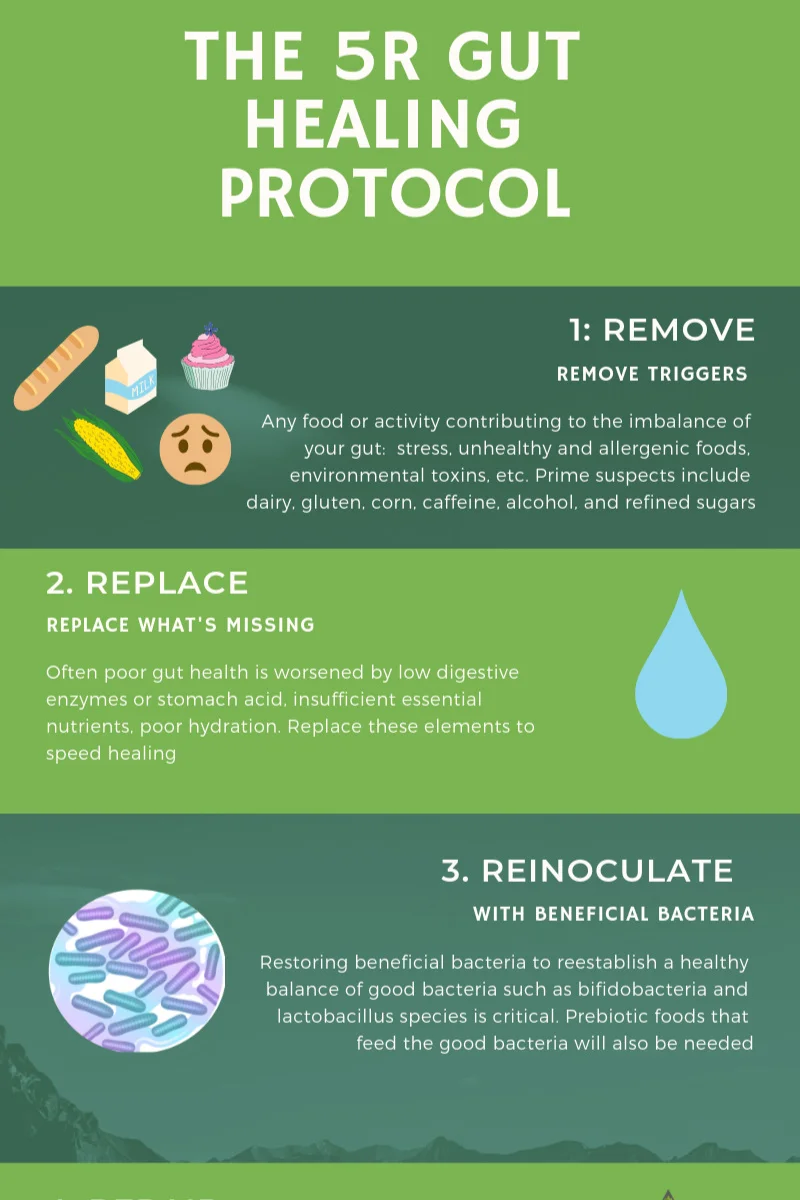
When incorporating peptides into your gut healing protocol, it's important to consider the following:
1. Choose the Right Peptide
Different peptides have different mechanisms of action. For example, if you're dealing with inflammation, KPV might be more beneficial than BPC-157. If you're looking to strengthen the gut barrier, BPC-157 could be a better choice.
2. Consider Delivery Methods
Peptides can be taken orally, subcutaneously, or intramuscularly. Oral forms are convenient, but some peptides may be degraded in the digestive tract. Subcutaneous injections are often used in clinical settings for more direct absorption.
3. Follow a Structured Protocol
Peptide protocols often involve a combination of different compounds, depending on the phase of healing. For instance, you might start with BPC-157 to support tissue repair, then add KPV to address inflammation.
4. Combine With Lifestyle Changes
Peptides work best when combined with a healthy diet, stress management, and adequate sleep. These factors can enhance the effectiveness of peptides and support overall gut health.
Practical Tips for Using Peptides

Here are some practical tips to help you get the most out of your peptide supplements:
- Start with a Low Dose: Begin with a lower dose to assess your body's response and gradually increase as needed.
- Monitor Your Symptoms: Keep track of any changes in your digestion, energy levels, or overall well-being.
- Consult a Healthcare Provider: Peptides can interact with other medications or supplements, so it's important to consult with a healthcare professional before starting any new regimen.
- Stay Consistent: Peptide therapy often requires time to show results. Consistency is key to achieving long-term benefits.
Conclusion
Peptide supplements offer a powerful and versatile approach to gut healing. By supporting the gut barrier, reducing inflammation, and promoting tissue repair, they can help address the root causes of leaky gut and other digestive issues. While research is ongoing, the growing body of evidence suggests that peptides can be a valuable addition to a comprehensive gut health strategy.
Whether you're dealing with chronic inflammation, food sensitivities, or simply looking to improve your overall well-being, peptides provide a promising avenue for healing. By understanding their mechanisms and integrating them into your routine, you can take a proactive step toward a healthier, more resilient gut.
[IMAGE: Peptide supplements for gut healing]

Post a Comment for "The Ultimate Guide to Peptide Supplements for Gut Healing"
Post a Comment