The Ultimate Guide to Peptide Supplements for Muscle Growth
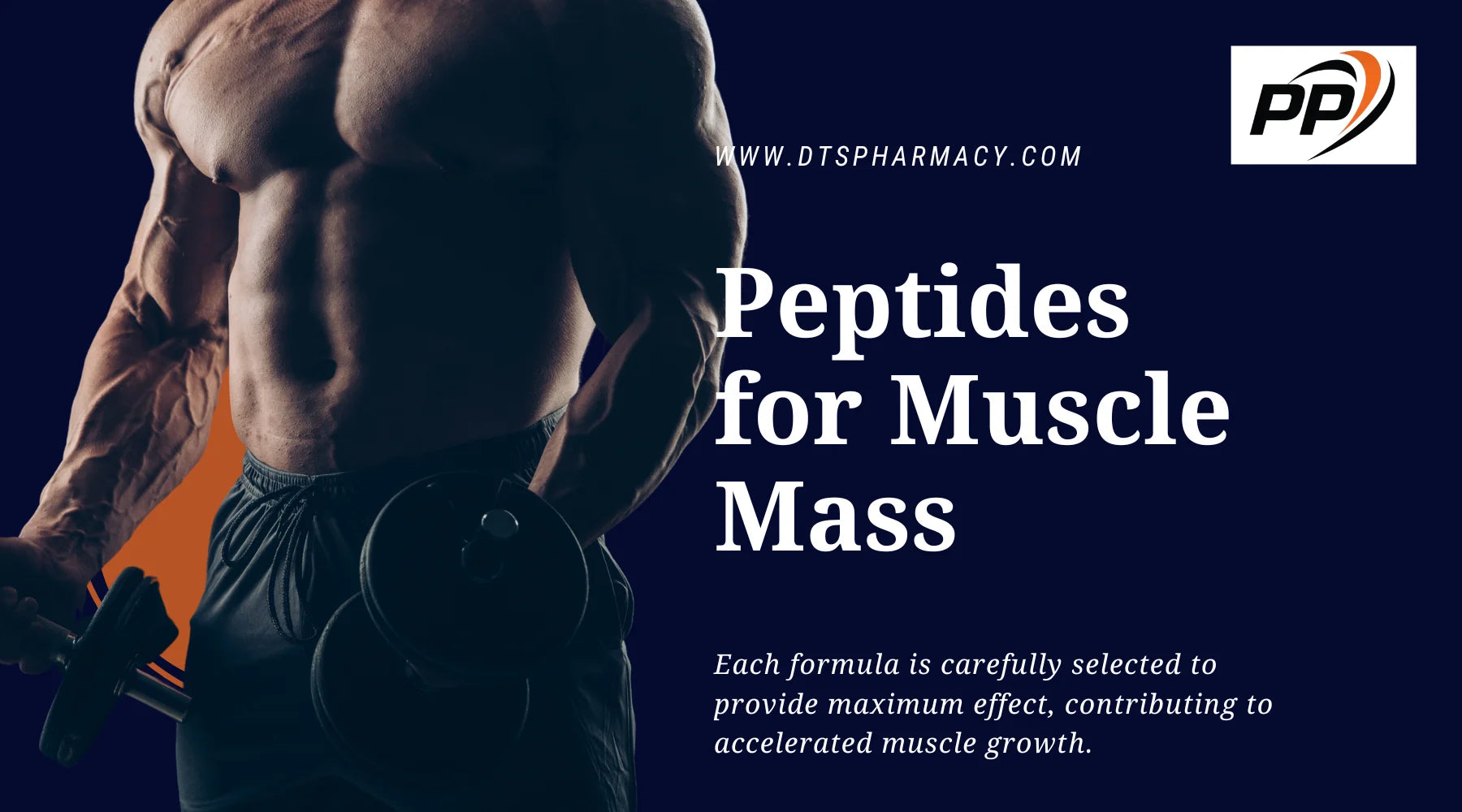
In the world of fitness and bodybuilding, the quest for faster muscle growth and improved performance has led many to explore unconventional methods. Among these, peptide supplements have gained significant attention. But what exactly are they, and how do they work? This article dives deep into the science behind peptide supplements for muscle growth, their potential benefits, risks, and practical considerations.
What Are Peptides?
Peptides are short chains of amino acids—typically between 2 and 50 units long—that serve as the building blocks of proteins. They play a crucial role in various biological functions, acting as signaling molecules that communicate with cells to regulate processes like hormone release, immune responses, and tissue repair.
In the context of muscle growth, certain peptides interact with the body’s endocrine system, particularly the growth hormone (GH) and insulin-like growth factor 1 (IGF-1) pathways. These hormones are vital for muscle protein synthesis, recovery, and overall tissue development.
How Do Peptides Support Muscle Growth?
The primary mechanism by which some peptides support muscle growth is through the stimulation of growth hormone release. Here's a simplified breakdown of the process:
- Peptide Administration: A specific peptide is introduced into the body.
- Stimulation of the Pituitary Gland: The peptide binds to receptors on the pituitary gland, signaling it to increase the secretion of endogenous growth hormone (GH).
- Liver Activation: GH circulates in the bloodstream and stimulates the liver to produce IGF-1, a potent anabolic hormone.
- Anabolic Effects: IGF-1 promotes:
- Protein Synthesis: Increased creation of new muscle protein.
- Muscle Cell Growth: Potential increase in the size and number of muscle cells.
- Enhanced Recovery: Improved repair of muscle tissue after exercise.
- Lipolysis: Breakdown of fat, leading to a leaner body composition.
While this mechanism is well-established in scientific literature, translating it into consistent, measurable muscle growth in healthy adults remains an area of ongoing research.
Key Peptides for Muscle Growth
Several peptides have been studied or marketed for their potential to enhance muscle growth. Some of the most commonly discussed include:
- GHRP-6 and GHRP-2: These peptides stimulate the pituitary gland to release GH. However, they may also increase appetite and cortisol levels.
- Ipamorelin: Known for its selective GH-releasing properties with fewer side effects compared to other GHRPs.
- CJC-1295: A synthetic analog of GHRH that extends the half-life of GH, potentially leading to longer-lasting effects.
- BPC-157: Often used for tissue repair and recovery, though its direct impact on muscle growth is less clear.
It's important to note that while these peptides can theoretically boost GH and IGF-1 levels, robust human studies demonstrating significant muscle growth in healthy adults are limited.
Understanding Peptides for Fat Loss
In addition to muscle growth, some peptides are being explored for their potential role in fat loss. For example:
- Melanotan II: May reduce appetite and increase energy expenditure, but evidence of consistent fat loss in humans is lacking.
- AOD 9604: Designed to promote fat metabolism without affecting blood sugar levels, though clinical evidence is inconclusive.
While these peptides may influence metabolic processes, strong, consistent data supporting their use for fat loss in the general population is still limited.
How to Use Peptides Safely
Peptides are typically administered via subcutaneous injections, though oral and intranasal forms may exist for certain compounds. Dosage and administration protocols vary depending on the specific peptide and individual goals.
Some key considerations for safe use include:
- Medical Supervision: Always consult a healthcare professional before starting any peptide regimen. They can help determine appropriate dosages and monitor for side effects.
- Quality Control: Choose reputable suppliers that provide high-quality, tested products. Avoid unregulated sources that may contain impurities or incorrect dosages.
- Dosage Guidelines: Start with low doses and gradually adjust based on your body’s response. Regular blood tests can help track hormone levels and organ function.
Potential Side Effects of Peptide Use
Like all bioactive compounds, peptides carry the risk of side effects. Common issues reported include:
- Injection site reactions: Redness, swelling, or pain at the injection site.
- Water retention and joint pain: Especially with peptides that increase GH levels.
- Metabolic disturbances: Possible impacts on insulin sensitivity and glucose regulation.
- Carpal tunnel syndrome: A rare but reported side effect with prolonged use.
More severe side effects, such as acromegaly (abnormal bone growth) or hormonal imbalances, are rare but highlight the importance of medical oversight.
The Future of Peptides in Fitness
The field of peptide research is rapidly evolving, with advancements in biotechnology and a deeper understanding of their mechanisms. While some peptides may eventually become valuable tools for specific populations—such as athletes under regulated supervision or individuals with medical conditions—their widespread use for muscle growth and fat loss in the general population remains uncertain.
Ongoing research will be critical in determining the long-term safety, efficacy, and regulatory status of these compounds. Until then, it’s essential to approach peptide supplementation with caution and a strong foundation in nutrition, training, and recovery.
Conclusion
Peptide supplements offer a promising avenue for enhancing muscle growth and fat loss, but their effectiveness and safety in the general population require further study. While the science behind their mechanisms is solid, real-world results in healthy adults remain inconclusive.
For most people, the most effective and sustainable strategies for muscle growth still revolve around progressive resistance training, proper nutrition, and adequate recovery. If you're considering peptides, always do so under the guidance of a qualified healthcare professional and with a clear understanding of the risks involved.
Remember, there’s no shortcut to hard work and consistency. Peptides may offer an edge, but they’re not a magic bullet. Focus on the fundamentals, and let science and experience guide your journey.
Frequently Asked Questions
What are peptides?
Peptides are short chains of amino acids that act as signaling molecules in the body, influencing processes like hormone release and tissue repair.
How do peptides contribute to muscle growth?
Certain peptides stimulate the release of growth hormone, which can support muscle growth and recovery. However, strong evidence in healthy adults is limited.
Are peptides safe for muscle growth and fat loss?
Peptides can have side effects, and their long-term safety and efficacy are not fully established in non-medical populations. Medical supervision is essential.
What are the best peptides for muscle growth?
Peptides like GHRP-6, GHRP-2, and Ipamorelin are often cited, but their direct muscle-building effects in healthy adults remain under-studied.
Can peptides help with fat loss?
Some peptides have been investigated for their effects on metabolism and fat breakdown, but evidence of consistent fat loss in healthy humans is limited.

Post a Comment for "The Ultimate Guide to Peptide Supplements for Muscle Growth"
Post a Comment