The Ultimate Guide to Peptide Stacks for Longevity and Anti-Aging
As the quest for longevity and anti-aging continues, scientists and researchers have turned to peptides—short chains of amino acids that act as signaling molecules in the body. These compounds offer a targeted approach to addressing the root causes of aging, from telomere maintenance to cellular rejuvenation. This guide explores the most promising peptide stacks for longevity, their mechanisms of action, and how they can be used effectively.
Understanding How Peptides Combat Aging
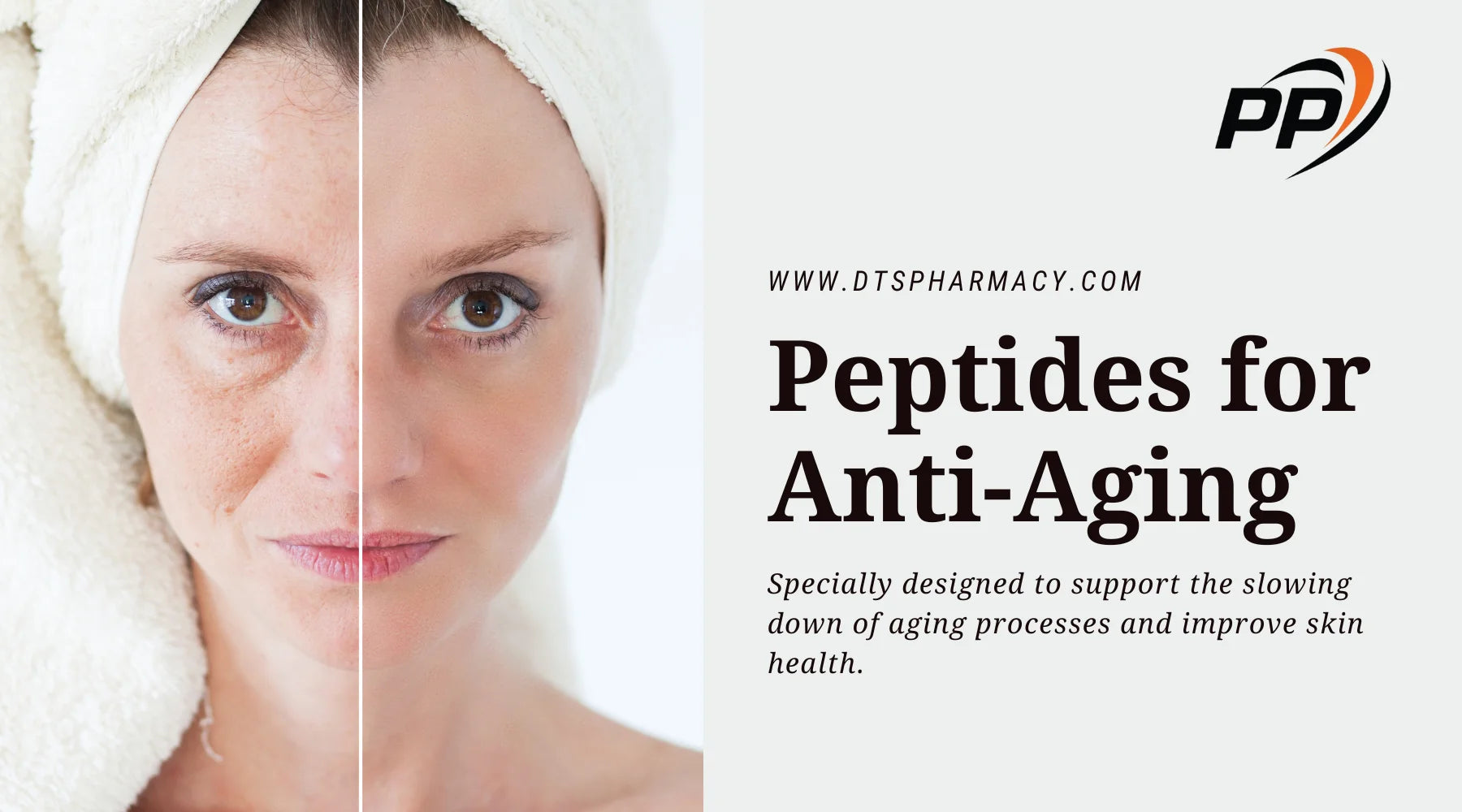
Aging is a complex process involving multiple interconnected mechanisms such as telomere attrition, mitochondrial dysfunction, and cellular senescence. Unlike broad interventions like antioxidants, peptides can target specific pathways with precision. For example, some peptides stimulate telomerase activity to maintain telomere length, while others help eliminate senescent cells that contribute to chronic inflammation.
Peptides differ from traditional drugs in their specificity. While drugs often affect multiple targets, peptides can bind to specific receptors and trigger precise cellular responses with fewer off-target effects. This makes them particularly appealing for anti-aging applications.
The Top Anti-Aging Peptides by Research Evidence
1. Epithalon (Epitalon)
Epithalon is one of the most researched anti-aging peptides, with studies spanning over three decades. This tetrapeptide (Ala-Glu-Asp-Gly) was developed by Russian scientist Vladimir Khavinson based on work with the pineal gland's epithalamin extract. It has shown potential in stimulating telomerase activity, which helps maintain telomere length, and supports circadian rhythm regulation.
Key Effects: - Telomerase activation - Melatonin regulation - Gene expression modulation
Studies in human cell cultures have demonstrated that Epithalon can increase telomerase activity, the enzyme responsible for maintaining telomere length. Animal studies have been particularly compelling, with one landmark study showing a 42% extension in lifespan in aging rats.
2. GHK-Cu (Copper Peptide)
GHK-Cu is a naturally occurring tripeptide (glycyl-L-histidyl-L-lysine) that binds copper ions. It has been extensively studied for its ability to modulate gene expression, influencing over 4,000 genes—roughly 6% of the human genome. This peptide is known for its role in skin regeneration, wound healing, and DNA repair.
Key Effects: - Collagen synthesis - Wound healing - Anti-inflammatory properties - DNA repair
Research shows that GHK-Cu increases collagen synthesis by up to 70% in aged human fibroblasts, making it a popular choice for skincare products.
3. MOTS-c
MOTS-c is a mitochondrial-derived peptide (MDP) that acts as a metabolic regulator. It improves insulin sensitivity, promotes fat oxidation, and enhances cellular energy production. Its levels decline with age, paralleling the decline in mitochondrial function that characterizes aging.
Key Effects: - Activates AMPK - Improves mitochondrial function - Enhances insulin sensitivity - Neuroprotective effects
Animal studies have shown that MOTS-c treatment improves physical capacity and metabolic function, essentially reversing some aspects of metabolic aging.
4. FOXO4-DRI
FOXO4-DRI represents a paradigm shift in anti-aging research by selectively eliminating senescent cells, often called "zombie cells." These cells accumulate with age and secrete inflammatory factors that drive chronic inflammation and accelerate aging.
Key Effects: - Selective targeting of senescent cells - Reduction of inflammatory secretions - Tissue rejuvenation
Landmark research has shown that FOXO4-DRI treatment in aged mice improved fitness, fur density, and kidney function by eliminating senescent cells.
5. Thymosin Beta-4 (TB-500)
TB-500 is a 43-amino acid peptide involved in tissue development and repair. It promotes stem cell migration and differentiation, supporting cardiac tissue repair and angiogenesis.
Key Effects: - Promotes stem cell function - Supports tissue repair - Modulates inflammation - Enhances wound healing
By supporting stem cell activity, TB-500 may help maintain the body's regenerative capacity, which declines with age.
Supporting Peptides
BPC-157
BPC-157 is a pentadecapeptide derived from human gastric juice. While primarily known for tissue healing, its systemic protective effects have implications for healthy aging. It demonstrates cytoprotective properties across multiple organ systems.
SS-31 (Elamipretide)
SS-31 is a tetrapeptide that specifically targets and protects the inner mitochondrial membrane. By preserving mitochondrial function, it addresses one of the fundamental mechanisms of cellular aging.
Humanin
Humanin is another mitochondrial-derived peptide that protects cells from stress-induced death. It has shown protective effects against oxidative stress and amyloid beta toxicity, relevant to Alzheimer's disease.
Research Protocols and Considerations
While these peptides show promise, it's important to note that they are research compounds without FDA approval for human use. Individual responses vary significantly, and long-term safety data in humans is limited.
Example Protocols: - Epithalon: 5-10mg/day subcutaneously for 10-20 days, 2x/year - GHK-Cu: 1-2mg/day or topical application for 4-8 weeks - MOTS-c: 5-10mg/day subcutaneously for 4-8 weeks - FOXO4-DRI: Variable dose, subcutaneous administration, cyclic protocols - TB-500: 2-5mg weekly subcutaneously for 4-8 weeks
Combining Anti-Aging Approaches
Researchers increasingly recognize that targeting multiple aging pathways may be more effective than single interventions. A theoretical approach might combine:
- Telomere Protection: Epithalon to maintain telomere length.
- Mitochondrial Support: MOTS-c or SS-31 to optimize cellular energy production.
- Senescent Cell Clearance: Periodic FOXO4-DRI to eliminate accumulated zombie cells.
- Tissue Regeneration: GHK-Cu to support regenerative gene expression patterns.
However, such protocols remain theoretical and would require careful monitoring under medical supervision.
The Evidence Landscape
The strongest evidence comes from controlled animal studies and cell culture research. Human clinical trials specifically examining lifespan or aging biomarkers are limited. This doesn't mean the peptides are ineffective—rather, longevity research requires long timeframes that make traditional clinical trials challenging.
Practical Considerations
Starting an anti-aging protocol involves several practical factors:
- Baseline Testing: Measure aging biomarkers before starting (telomere length, inflammation markers, metabolic panels).
- Quality Sourcing: Peptide purity varies dramatically between sources; third-party testing is essential.
- Professional Guidance: Work with healthcare providers familiar with peptide protocols.
- Lifestyle Foundation: Peptides work best alongside optimized diet, exercise, and sleep.
- Patience: Anti-aging effects develop gradually and may require months to assess.
Frequently Asked Questions
What is the best single anti-aging peptide to start with?
For most people, GHK-Cu offers the best starting point due to its extensive safety record and multi-faceted benefits. It can be used topically initially, and its effects on skin quality provide visible feedback.
How long does it take to see results from anti-aging peptides?
Results vary by peptide and what you're measuring. Skin improvements from GHK-Cu may be visible within 4-8 weeks. Systemic anti-aging effects are harder to quantify and may take months to years to manifest.
Are anti-aging peptides safe for long-term use?
Long-term safety data is limited for most anti-aging peptides. GHK-Cu has the longest track record with topical use showing good tolerability over years. Epithalon has been studied for decades without significant reported adverse effects.
Can anti-aging peptides reverse existing aging?
Some evidence suggests certain peptides can reverse specific aging markers. FOXO4-DRI has shown restoration of tissue function in aged mice by eliminating senescent cells. Whether these effects translate to meaningful reversal of aging in humans requires more research.
Do I need to cycle anti-aging peptides?
Cycling protocols vary by peptide. Epithalon is typically used in defined cycles, while GHK-Cu can be used more continuously. FOXO4-DRI is used in periodic treatments to clear accumulated senescent cells.
How do anti-aging peptides compare to traditional anti-aging interventions?
Peptides offer more targeted mechanisms than general interventions like antioxidants. While lifestyle factors remain the most validated anti-aging interventions, peptides can target specific aging pathways that lifestyle alone may not address.
The Future of Anti-Aging Peptides
The field of anti-aging peptides is advancing rapidly. Several developments are worth watching:
- New senolytic peptides: Beyond FOXO4-DRI, researchers are developing peptides targeting different senescent cell vulnerabilities.
- Combination formulations: Pre-mixed peptide blends designed to target multiple aging pathways simultaneously.
- Improved delivery: Oral peptide formulations that could eliminate the need for injections.
- Personalized protocols: Biomarker-guided approaches that customize peptide selection to individual aging patterns.
- Clinical validation: Larger human trials examining longevity outcomes and aging biomarkers.
Conclusion
Anti-aging peptides represent some of the most targeted interventions available for addressing the fundamental mechanisms of aging. From Epithalon's telomere protection to FOXO4-DRI's senescent cell clearance, these compounds work through well-defined pathways that directly address the hallmarks of aging.
However, the field remains in relatively early stages when it comes to human validation. The most prudent approach combines interest in these emerging therapies with realistic expectations about current evidence limitations. Working with knowledgeable healthcare providers, prioritizing quality sourcing, and maintaining foundational health practices will optimize whatever benefits these fascinating compounds may offer.
As research progresses and human data accumulates, anti-aging peptides may become standard tools in the longevity toolkit—but for now, they remain promising research compounds worthy of attention while deserving appropriate caution.

Post a Comment for "The Ultimate Guide to Peptide Stacks for Longevity and Anti-Aging"
Post a Comment