The Ultimate Guide to an Optimal Brain Health Lifestyle
Your brain is one of the most complex and vital organs in your body, yet it's often overlooked when it comes to daily wellness routines. While many people focus on their skin or physical fitness, taking care of your cognitive health is just as important—and perhaps even more critical. The good news is that you don’t need a magic pill to support your brain’s longevity. Instead, science-backed lifestyle changes can significantly improve your mental clarity, memory, and overall brain function.
This guide will walk you through the essential elements of an optimal brain health lifestyle, based on the latest research and expert insights. Whether you're in your 40s, 60s, or beyond, these strategies can help you maintain a sharp mind and reduce the risk of cognitive decline.
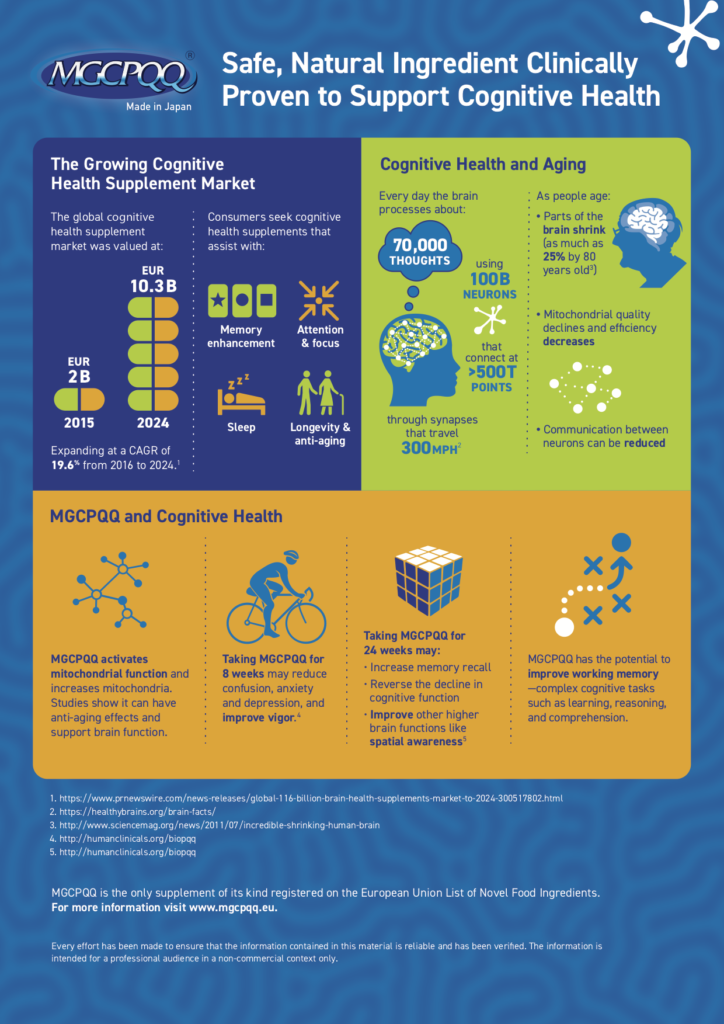
Understanding the Science Behind Brain Health

Recent studies have shown that lifestyle choices play a crucial role in maintaining cognitive function. A landmark study called POINTER found that older adults who followed a structured program involving diet, exercise, and cognitive training experienced significant improvements in memory and thinking skills. This isn't just about preventing dementia—it's about enhancing your brain's resilience and keeping it functioning at its best.
According to Dr. Laura Baker, one of the researchers behind the POINTER study, "These people are obtaining cognitive function scores that are similar to people [like them who are] one to two years younger than they are." This means that with the right habits, you can slow down or even reverse some of the natural declines associated with aging.
Key Components of an Optimal Brain Health Lifestyle

1. Physical Activity: Your Brain’s Best Friend
Regular movement is one of the most effective ways to boost brain health. Dr. Ayushi Chugh, a neurology professor, explains that aerobic exercise promotes neuroplasticity—the brain's ability to adapt and form new connections. Even simple activities like walking, swimming, or cycling can make a big difference.
Strength training is also beneficial, as it involves coordination and helps build neural pathways. Aim for at least 150 minutes of moderate exercise per week, as recommended by experts like Dr. Myrna Cardiel. If you're looking for motivation, consider joining a fitness class or working out with friends to keep things fun and engaging.
2. Mental Stimulation: Keep Your Mind Active
Challenging your brain with new tasks is another powerful way to support cognitive health. Dr. Chugh emphasizes that activities like learning a new language, solving puzzles, or even brushing your teeth with your non-dominant hand can stimulate brain activity. These exercises may not be flashy, but they're backed by science.
Crossword puzzles and Sudoku are great starting points, but don't stop there. Try picking up a new hobby, taking online courses, or reading regularly. The key is to keep your brain engaged and curious.
3. Nutrition: Fuel Your Brain Wisely
What you eat directly impacts how your brain functions. A heart-healthy Mediterranean diet—rich in fruits, vegetables, whole grains, and healthy fats—has been linked to better cognitive outcomes. Studies suggest that this type of diet can reduce the risk of dementia and support long-term brain health.
Avoid excessive sugar and processed foods, which can lead to inflammation and negatively affect brain function. Incorporate foods high in antioxidants, such as blueberries and leafy greens, and consider adding omega-3 fatty acids from sources like fish or flaxseeds.
4. Social Engagement: Connect for Cognitive Boost
Social interaction is another critical component of brain health. Research shows that staying socially active can lower the risk of cognitive decline and improve emotional well-being. Dr. Jessica Langbaum, a researcher at the Banner Alzheimer's Institute, notes that socializing is one of the best ways to keep your brain young.
Make time for regular conversations with friends, join community groups, or volunteer. These activities not only provide mental stimulation but also create a sense of purpose and belonging.
5. Sleep: The Foundation of Cognitive Function
Sleep is often underestimated, but it plays a vital role in brain health. During sleep, your brain clears out toxins and consolidates memories. Poor sleep has been linked to memory problems, mood swings, and increased risk of cognitive decline.
Aim for 7–9 hours of quality sleep each night. Create a calming bedtime routine, limit screen time before bed, and ensure your sleeping environment is comfortable and dark.
Practical Tips for Implementing an Optimal Brain Health Lifestyle

Here are some actionable steps you can take to start improving your brain health today:
- Start small: Begin with one habit, such as a daily walk or a short meditation session.
- Track progress: Use a journal or app to monitor your habits and see what works best for you.
- Stay consistent: Consistency is key when it comes to building healthy routines.
- Seek support: Join a group or find a workout buddy to keep you motivated.
- Stay informed: Keep up with the latest research on brain health and adjust your habits accordingly.
The Future of Brain Health: What’s Next?
As research continues to evolve, scientists are exploring new ways to support cognitive health. The POINTER study, for example, is paving the way for more personalized approaches to brain health. Researchers are also investigating how technology, such as apps and wearable devices, can help individuals track and improve their cognitive performance.
Experts like Dr. Langbaum believe that lifestyle interventions should be treated as seriously as medical treatments. "Doctors should be treating lifestyle interventions as they would a drug," she says. This shift in perspective could lead to greater access to brain health resources and more comprehensive care for patients.
Conclusion
An optimal brain health lifestyle is within reach for everyone. By incorporating physical activity, mental stimulation, proper nutrition, social engagement, and quality sleep into your daily routine, you can significantly enhance your cognitive function and reduce the risk of age-related decline. Remember, small, consistent changes can lead to big results over time.
Whether you're looking to protect your brain now or prepare for the future, the steps outlined in this guide provide a solid foundation for lifelong cognitive health. Start today, and take control of your brain’s well-being.

Post a Comment for "The Ultimate Guide to an Optimal Brain Health Lifestyle"
Post a Comment