The Ultimate Guide to an Optimal Brain Performance Diet
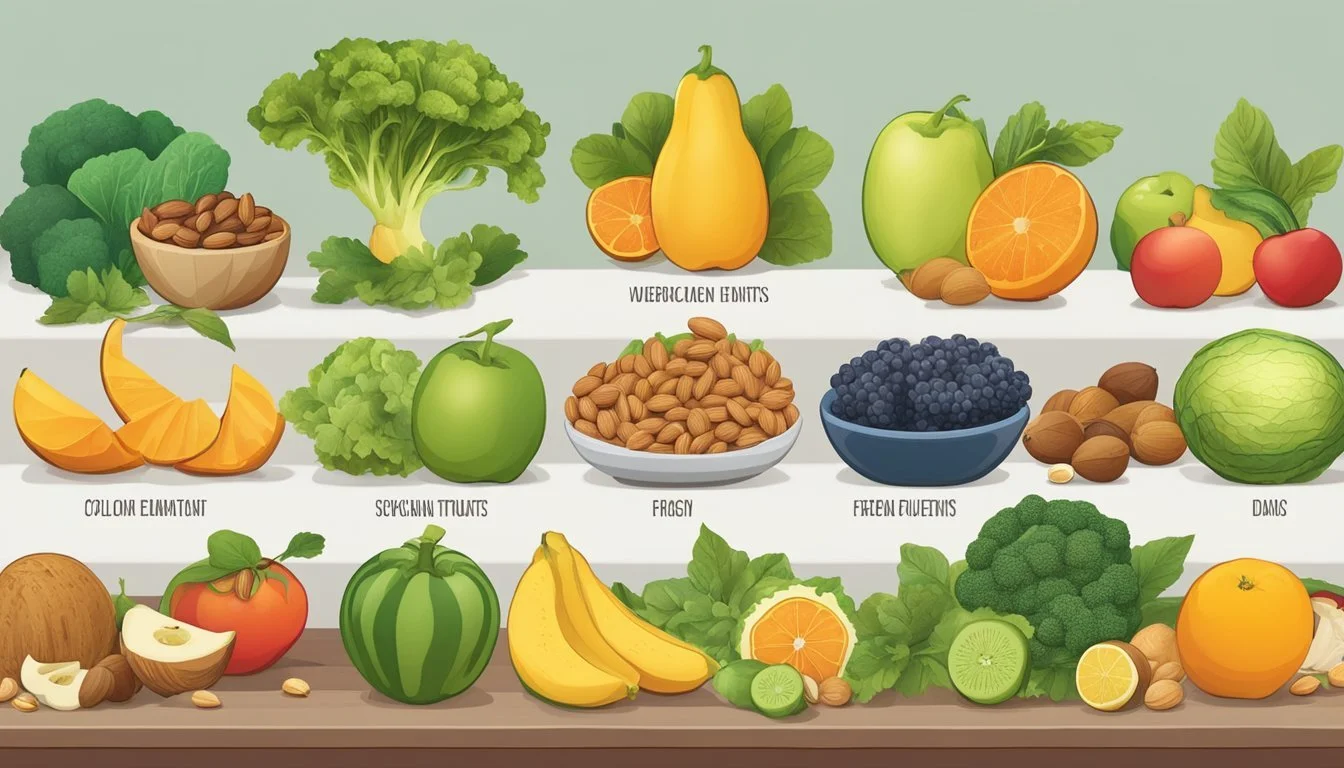
When it comes to maintaining sharp mental clarity, memory retention, and cognitive resilience, the foods we choose to eat play a crucial role. While many diets focus on physical health or weight management, the optimal brain performance diet is specifically designed to support neurological function, reduce the risk of neurodegenerative diseases, and enhance overall mental well-being. This guide explores the science behind brain-boosting nutrition, key dietary strategies, and practical tips for creating a meal plan that fuels your mind.
The Science Behind Brain Health and Nutrition
The brain is one of the most metabolically active organs in the body, consuming about 20% of the energy we take in. This means that what we eat directly affects how our brain functions. Nutrients such as omega-3 fatty acids, antioxidants, and certain vitamins are essential for maintaining healthy brain cells, supporting neurotransmitter production, and reducing inflammation.
Research has shown that diets rich in whole foods—especially those high in antioxidants, healthy fats, and complex carbohydrates—can significantly improve cognitive performance. For example, a study published in Neurology found that individuals who followed a diet similar to the Mediterranean or DASH (Dietary Approaches to Stop Hypertension) diet had a lower risk of cognitive decline and Alzheimer’s disease.
Key Components of an Optimal Brain Performance Diet
1. Omega-3 Fatty Acids
These essential fats are critical for brain structure and function. Found in fatty fish like salmon, mackerel, and sardines, omega-3s help maintain the integrity of brain cell membranes and support communication between neurons. They also have anti-inflammatory properties that protect against age-related cognitive decline.
2. Antioxidants
Foods high in antioxidants—such as berries, leafy greens, and dark chocolate—help combat oxidative stress, which can damage brain cells over time. Antioxidants neutralize harmful free radicals, preserving cognitive function and reducing the risk of neurodegenerative diseases.
3. B Vitamins
B vitamins, particularly B6, B9 (folate), and B12, are vital for brain health. They help regulate homocysteine levels, a compound linked to cognitive decline and dementia. These vitamins are found in foods like eggs, leafy greens, and fortified cereals.
4. Magnesium
This mineral plays a key role in regulating neurotransmitters and managing stress. Magnesium-rich foods include nuts, seeds, and dark leafy vegetables. Adequate magnesium intake supports relaxation, improves sleep quality, and enhances cognitive performance.
5. Polyphenols
These plant-based compounds, found in foods like green tea, dark chocolate, and berries, have been shown to improve blood flow to the brain and reduce inflammation. They also support the growth of new brain cells, enhancing learning and memory.
Best Foods for Cognitive Function
To maximize brain performance, prioritize the following nutrient-dense foods:
- Fatty Fish: Salmon, mackerel, and sardines are rich in omega-3 fatty acids.
- Leafy Greens: Spinach, kale, and Swiss chard provide folate, vitamin K, and antioxidants.
- Berries: Blueberries, blackberries, and strawberries contain flavonoids that boost memory.
- Nuts and Seeds: Walnuts, flaxseeds, and chia seeds offer healthy fats and micronutrients.
- Dark Chocolate: High in flavonoids, it enhances memory and mood.
- Eggs: Rich in choline, which supports brain development and function.
- Turmeric: Contains curcumin, a powerful anti-inflammatory compound.
Foods to Avoid for Optimal Brain Health
While certain foods support cognitive function, others can hinder it. Limit or avoid:
- Refined Sugars and Processed Carbohydrates: Cause blood sugar spikes and crashes, leading to brain fog.
- Trans Fats and Hydrogenated Oils: Found in fried foods and processed snacks, these fats impair neuronal communication.
- Artificial Sweeteners: Some studies suggest they may negatively affect brain function.
- Excess Alcohol: Can lead to neurodegeneration and cognitive impairment.
- Highly Processed Foods: Lack essential nutrients and often contain additives that harm brain health.
Personalized Nutrition for Long-Term Cognitive Health
Every individual’s nutritional needs are unique, influenced by factors like genetics, lifestyle, and metabolic function. A personalized approach to nutrition ensures that you're getting the right balance of nutrients for your brain's specific requirements. Consider the following strategies:
- Nutrient Testing: Identify deficiencies through blood work to tailor supplementation and dietary choices.
- Metabolic Assessments: Evaluate insulin sensitivity and energy metabolism to guide carbohydrate intake.
- Gut Health Optimization: A healthy gut microbiome supports neurotransmitter production and overall brain health.
- Anti-Inflammatory Protocols: Reduce inflammatory foods and incorporate anti-inflammatory nutrients like omega-3s and polyphenols.
Supplementation for Brain Health
While whole foods should be the primary source of nutrients, supplements can help fill gaps when necessary. Key supplements for brain health include:
- Omega-3 Fish Oil: Supports cognitive function and reduces inflammation.
- Vitamin D: Essential for brain health and immune support.
- Magnesium Glycinate: Helps with relaxation and neurotransmitter function.
- B-Complex Vitamins: Support energy production and mental clarity.
- Probiotics: Promote gut health and improve mood stability.
Sustainable Dietary Habits for Mental and Physical Vitality
Creating sustainable dietary habits ensures long-term cognitive health and vitality. Tips include:
- Meal Planning: Prepare nutrient-dense meals in advance to avoid relying on processed foods.
- Mindful Eating: Pay attention to food choices and portion sizes to support better digestion and nutrient absorption.
- Hydration: Adequate water intake is essential for brain function and detoxification.
- Balanced Macronutrient Intake: Ensure a good balance of proteins, healthy fats, and complex carbohydrates for stable energy levels.
Lifestyle Factors That Complement a Brain-Healthy Diet
Beyond nutrition, other lifestyle habits can enhance cognitive clarity and mental performance:
- Regular Exercise: Improves blood flow to the brain and supports neurogenesis.
- Quality Sleep: Essential for memory consolidation and mental rejuvenation.
- Stress Management: Practices like meditation and deep breathing reduce cortisol levels and protect brain health.
- Social Engagement: Meaningful interactions stimulate cognitive function and emotional well-being.
Conclusion
Optimizing nutrition for brain health is a powerful strategy for enhancing cognitive clarity, improving mood regulation, and reducing the risk of neurodegenerative diseases. By focusing on nutrient-dense foods, maintaining metabolic balance, and personalizing dietary choices, individuals can achieve sustainable improvements in mental and physical vitality. A well-rounded approach that includes targeted supplementation and healthy lifestyle habits will further support long-term cognitive well-being. Whether you're looking to boost memory, reduce brain fog, or prevent cognitive decline, the optimal brain performance diet offers a roadmap to a sharper, healthier mind.

Post a Comment for "The Ultimate Guide to an Optimal Brain Performance Diet"
Post a Comment