The Ultimate Guide to Neuroplasticity Training for Adults
Your brain is one of the most powerful tools you possess, but it's also one of the most underutilized. While many people believe that our cognitive abilities are fixed by adulthood, the science of neuroplasticity tells a different story. Neuroplasticity training for adults offers a way to actively reshape your brain, improve cognitive function, and unlock new potential. Whether you're looking to boost productivity, enhance memory, or simply stay mentally sharp as you age, this guide will walk you through everything you need to know about harnessing the power of neuroplasticity.

What Is Neuroplasticity?
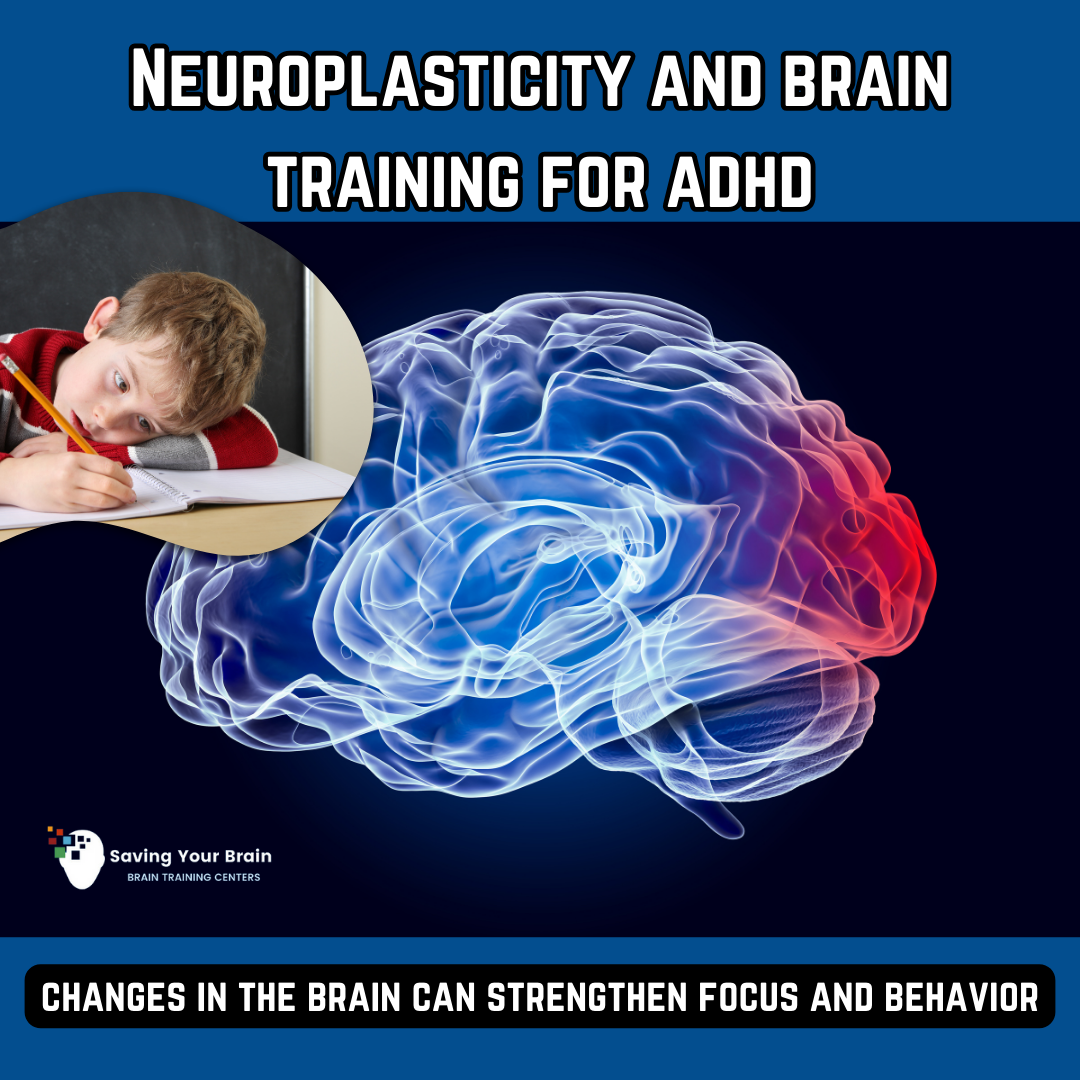
Neuroplasticity, also known as brain plasticity, refers to the brain’s ability to reorganize itself by forming new neural connections throughout life. This process allows the brain to adapt to new experiences, learn from them, and even recover from injuries. For years, scientists believed that the adult brain was static and unchangeable. However, modern research has shown that the brain remains malleable well into old age.
According to Dr. Marsha Chinichian, a clinical psychotherapist and founder of the mental fitness app Mindshine, “The main point of neuroplasticity is that you can actually form and reorganize connections in your brain.” This means that with the right strategies, adults can actively improve their cognitive abilities, emotional regulation, and overall brain health.
Why Neuroplasticity Training Matters for Adults

As we age, cognitive decline becomes a natural part of life. Memory lapses, slower processing speed, and difficulty focusing are common concerns. However, neuroplasticity training offers a proactive approach to counteract these effects. By engaging in specific exercises and practices, adults can strengthen existing neural pathways and create new ones, leading to improved mental performance.
Dr. Tara Swart, a neuroscientist and author of The Source, compares neuroplasticity to road building. “Think of it as going from a dirt road to a motorway,” she explains. “The more you use a pathway, the stronger it becomes.” This analogy highlights how consistent mental exercise can transform the brain into a more efficient and resilient organ.
9 Proven Techniques for Neuroplasticity Training

If you’re ready to start rewiring your brain, here are nine effective techniques backed by scientific research:
1. Feed Your Brain
Nutrition plays a crucial role in brain health. Foods rich in omega-3 fatty acids, antioxidants, and vitamins like D and magnesium support neuroplasticity. Incorporate foods such as walnuts, blueberries, avocados, and fatty fish into your diet.
2. Take Naps
A short nap of 20 minutes can significantly boost neuroplasticity by promoting the growth of dendritic spines—tiny structures that connect neurons. This helps reinforce learning and memory retention.
3. End the Day with Reflection
Dr. Marsha Chinichian recommends ending your workday with a ritual of reflection and gratitude. This practice not only enhances neuroplasticity but also reduces stress and improves mood.
4. Expand Your Vocabulary
Learning a new word each day stimulates multiple neural pathways, enhancing both auditory and visual processing. Over time, this habit can make you more articulate and intellectually agile.
5. Use Your Non-Dominant Hand
Activities like brushing your teeth with your non-dominant hand challenge your brain to form new connections. This simple exercise can improve coordination and cognitive flexibility.
6. Learn to Juggle
Juggling is an excellent brain workout. It requires hand-eye coordination, focus, and spatial awareness, all of which stimulate neuroplasticity. Even a few minutes of daily practice can yield significant benefits.
7. Play Chess
Chess is a game that demands strategic thinking, pattern recognition, and problem-solving. Studies show that regular chess players have increased gray matter in areas associated with decision-making and memory.
8. Practice Mindfulness Meditation
Mindfulness meditation has been shown to enhance attention, reduce stress, and promote emotional regulation. It also increases gray matter density in regions of the brain responsible for learning and memory.
9. Engage in Creative Activities
Drawing, painting, or playing music activates multiple parts of the brain. These activities encourage new neural connections and can lead to improved creativity and cognitive flexibility.
Benefits of Neuroplasticity Training

The advantages of neuroplasticity training extend far beyond cognitive enhancement. Here are some of the key benefits:
- Improved Decision-Making: Strengthened neural pathways allow for clearer, more thoughtful decisions.
- Reduced Stress: Regular mental exercise can help manage stress and prevent burnout.
- Enhanced Memory: Neuroplasticity supports better memory retention and recall.
- Increased Resilience: A more adaptable brain is better equipped to handle challenges and setbacks.
- Better Mental Health: Studies suggest that neuroplasticity training can reduce symptoms of anxiety and depression.
How to Start Your Neuroplasticity Journey

Getting started with neuroplasticity training doesn’t require a complete lifestyle overhaul. Begin with small, consistent changes that align with your interests and goals. Whether it’s learning a new language, practicing mindfulness, or simply taking a daily walk, every effort contributes to brain health.
Remember, neuroplasticity is a lifelong process. The more you engage your brain with purposeful activities, the more you’ll see improvements in your mental clarity, emotional well-being, and overall quality of life.
Conclusion
Neuroplasticity training for adults is a powerful tool that can transform your brain and your life. By understanding how the brain adapts and evolves, you can take control of your cognitive future. With the right strategies and consistent effort, you can enhance your mental performance, protect against cognitive decline, and unlock new levels of personal and professional success.
Whether you're looking to boost your productivity, sharpen your memory, or simply stay mentally sharp as you age, the science of neuroplasticity offers a path forward. Start today, and watch your brain grow stronger with every step you take.

Post a Comment for "The Ultimate Guide to Neuroplasticity Training for Adults"
Post a Comment