The Benefits of Peptide Supplements for Female Wellness: What You Need to Know
Peptide supplements are gaining popularity as a natural and effective way to support overall health, particularly for women. These small chains of amino acids act as signaling molecules in the body, influencing various physiological processes. From skin health to hormonal balance, peptides offer targeted benefits that can enhance female wellness. This article explores the science behind peptide supplements, their specific applications for women, and how to choose the right ones for your needs.
Understanding Peptides and Their Role in the Body
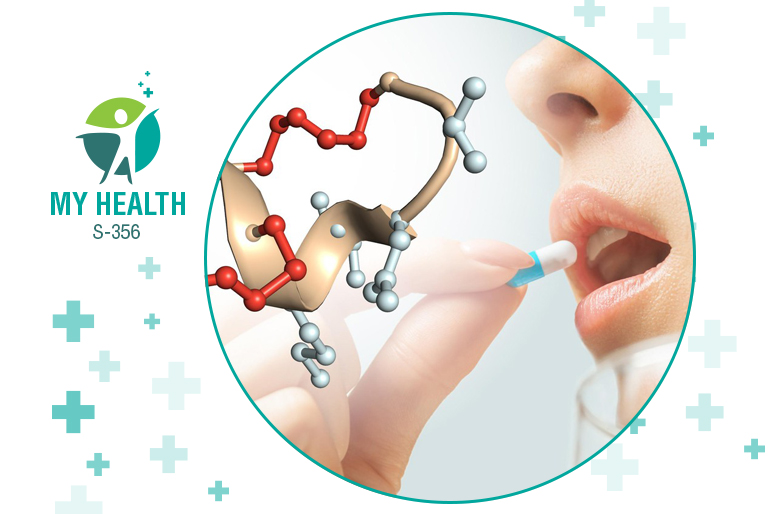
Peptides are short chains of amino acids, typically fewer than 40 in length, that serve as messengers within the body. Unlike full proteins, which need to be broken down during digestion, peptides are small enough to be absorbed directly into the bloodstream. This makes them highly efficient at delivering targeted benefits to specific areas of the body.
For example, insulin—a well-known peptide—is essential for regulating blood sugar levels. Other peptides, such as GHK-Cu (a copper-binding tripeptide), play a role in wound healing and skin health. Researchers have been studying peptides for decades, with some being developed as treatments for medical conditions like diabetes and autoimmune disorders.
In recent years, peptides have also gained attention in the wellness industry, particularly for their potential to support female health. From anti-aging effects to improved sleep and stress management, these supplements offer a range of benefits that can complement traditional approaches to wellness.
Key Peptides for Women's Health
Several peptides have shown particular promise in supporting women's health. Here are some of the most relevant ones:
1. GHK-Cu (Copper Peptide)
GHK-Cu is one of the most well-researched peptides for skin health. It stimulates collagen production, improves skin elasticity, and has antioxidant properties that protect against free radical damage. For women, this makes it an excellent choice for addressing visible signs of aging without disrupting hormonal balance. Topical formulations are widely available, but injectable forms offer more systemic benefits.
2. Epithalon (Epitalon)
Epithalon is a synthetic tetrapeptide that activates telomerase, the enzyme responsible for maintaining telomere length. This makes it a powerful anti-aging compound. It also helps regulate circadian rhythms, making it beneficial for women experiencing sleep disturbances during perimenopause or menopause.
3. BPC-157
BPC-157 is known for its healing properties, particularly in the gastrointestinal tract. Women are more likely to experience issues like irritable bowel syndrome (IBS) and leaky gut, making BPC-157 a valuable supplement for gut health. It also supports tendon and ligament repair, which is especially relevant for female athletes who are more prone to injuries like ACL tears.
4. Ipamorelin
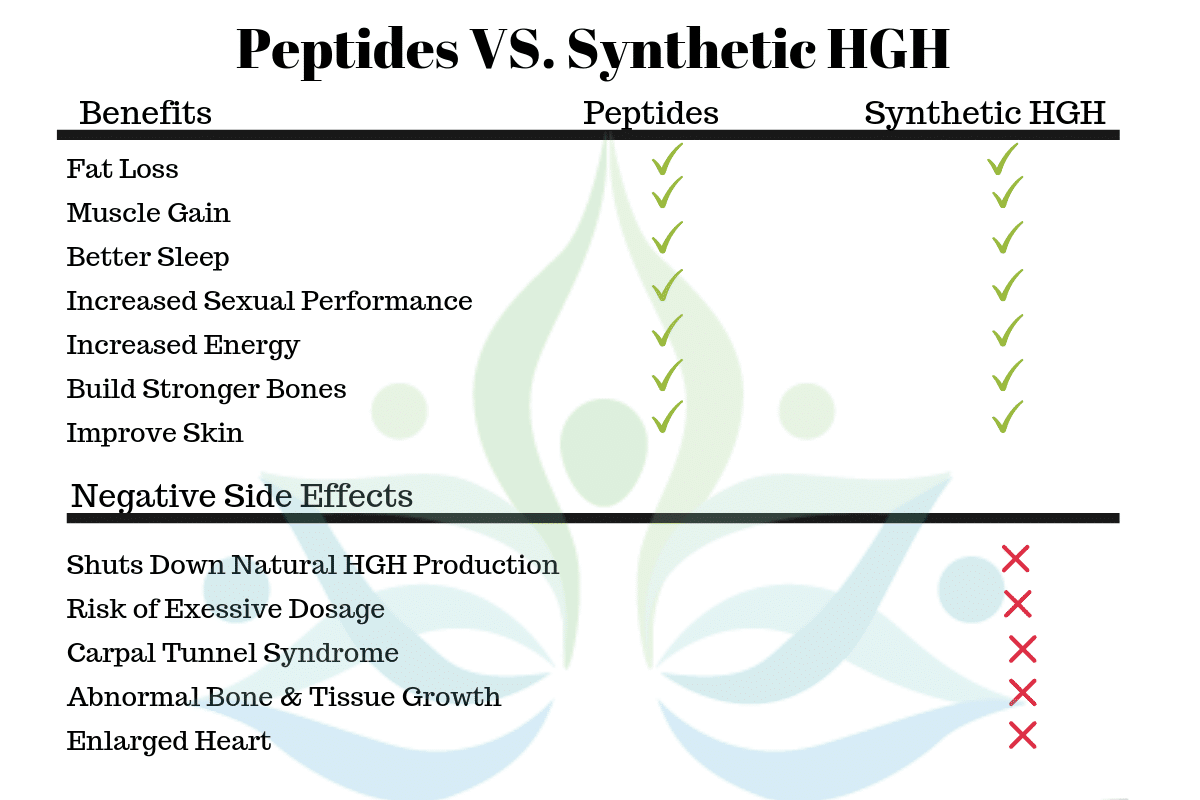
Ipamorelin is a growth hormone secretagogue that stimulates the pituitary gland to release natural growth hormone. Unlike synthetic HGH, it doesn’t significantly raise cortisol or prolactin—hormones that can cause side effects in women. It’s often used to improve body composition, enhance sleep quality, and support bone density, which is crucial for post-menopausal women.
5. PT-141 (Bremelanotide)
PT-141 is the only FDA-approved peptide specifically for female sexual dysfunction, including hypoactive sexual desire disorder (HSDD). It works by targeting melanocortin receptors in the brain rather than through blood flow mechanisms. While it can cause side effects like nausea and flushing, it offers a unique solution for women struggling with low libido.
Peptides for Skin, Anti-Aging, and Healing

As women age, their bodies produce fewer natural peptides, leading to signs of aging like wrinkles and decreased skin elasticity. Peptide supplements can help replenish these compounds, offering a non-invasive alternative to cosmetic procedures.
GHK-Cu, for instance, not only boosts collagen production but also enhances wound healing and promotes hair growth. Epithalon, on the other hand, supports cellular longevity and may help reduce the appearance of fine lines and wrinkles.
For those looking to improve healing and recovery, BPC-157 and TB-500 are excellent choices. BPC-157 is particularly effective for gut health and joint recovery, while TB-500 accelerates wound healing and improves tissue flexibility. These peptides can be especially beneficial for women dealing with chronic inflammation or recovering from injuries.
Peptides for Hormonal Balance and Menopause Support

Hormonal fluctuations during menopause can lead to a range of symptoms, including hot flashes, mood swings, and sleep disturbances. Certain peptides may help alleviate these issues by supporting the body's natural processes.
Ipamorelin, for example, can help maintain muscle mass and bone density, which tend to decline after menopause. Epithalon may also support sleep quality by regulating circadian rhythms. Additionally, Thymosin Alpha-1, a peptide that modulates the immune system, could be beneficial for women with autoimmune conditions, which are more common in females.
It's important to note that while peptides can support hormonal balance, they are not a substitute for hormone replacement therapy (HRT). Women should consult with a healthcare provider before starting any new supplement regimen, especially if they have a history of hormone-sensitive conditions.
Safety Considerations for Women
While many peptides are considered safe, it's essential to approach them with caution. Some peptides may interact with medications or have side effects, especially when taken in high doses. For example, PT-141 can cause temporary increases in blood pressure, and certain growth hormone peptides may affect fertility.
Pregnant or breastfeeding women should avoid most peptides due to a lack of safety data. Similarly, women with a history of cancer or autoimmune disorders should discuss potential risks with their doctor before using growth-promoting peptides.
Always source peptides from reputable suppliers and consult with a qualified healthcare provider to ensure they’re appropriate for your individual health needs.
Choosing the Right Peptide for Your Goals

With so many options available, it can be overwhelming to decide which peptides are right for you. Here are some guidelines to help you make an informed choice:
- Skin and Anti-Aging: Look for GHK-Cu, Epithalon, and collagen peptides.
- Healing and Recovery: BPC-157 and TB-500 are excellent choices.
- Body Composition and Metabolism: Ipamorelin, Semaglutide, and MOTS-c may be beneficial.
- Sexual Health: PT-141 is the only FDA-approved option for female sexual dysfunction.
- Immune Support: Thymosin Alpha-1 is a good choice for women with autoimmune conditions.
Remember, individual results may vary, and it’s best to work with a healthcare provider to create a personalized plan.
Conclusion
Peptide supplements offer a promising avenue for enhancing female wellness, from improving skin health to supporting hormonal balance and promoting healing. As research continues to uncover their potential, more women are turning to these natural compounds to address specific health concerns.
However, it’s important to approach peptide supplementation with care. Always consult with a healthcare provider, choose high-quality products, and be mindful of potential interactions or side effects. With the right guidance, peptides can be a valuable addition to a holistic wellness strategy, helping women achieve their health goals naturally and effectively.

Post a Comment for "The Benefits of Peptide Supplements for Female Wellness: What You Need to Know"
Post a Comment