How Women Can Optimize Their Metabolic Health for Long-Term Wellness
Metabolic health is a cornerstone of overall well-being, especially for women navigating the complexities of aging, hormonal shifts, and lifestyle changes. For many women, maintaining a healthy metabolism becomes increasingly challenging as they move through different life stages—particularly during perimenopause and beyond. However, with the right strategies, it's entirely possible to optimize metabolic health and enjoy long-term wellness.
This article will explore practical steps women can take to support their metabolic health, from understanding key markers to making sustainable lifestyle changes. Whether you're in your 30s, 40s, or 50s, these insights will help you take control of your health and build resilience against common metabolic challenges.
Understanding What Metabolic Health Means for Women

Metabolic health refers to how efficiently your body processes energy from food, regulates blood sugar, and manages cholesterol and blood pressure. For women, this is especially important because hormonal fluctuations—such as those during menopause—can significantly impact metabolic function.
One of the most common indicators of poor metabolic health is metabolic syndrome, a cluster of conditions that include:
- Waist circumference over 35 inches (for U.S. women)
- Blood pressure above 130/85 mmHg
- Fasting glucose over 100 mg/dL
- Triglycerides over 150 mg/dL
- HDL cholesterol below 50 mg/dL
Meeting three or more of these criteria suggests an increased risk of heart disease, diabetes, and other serious health issues. It’s crucial to understand that BMI alone isn’t a reliable indicator of metabolic health. A woman with a normal BMI can still have metabolic dysfunction, while someone with a higher BMI may be metabolically healthy.
The Role of Hormones in Metabolic Health
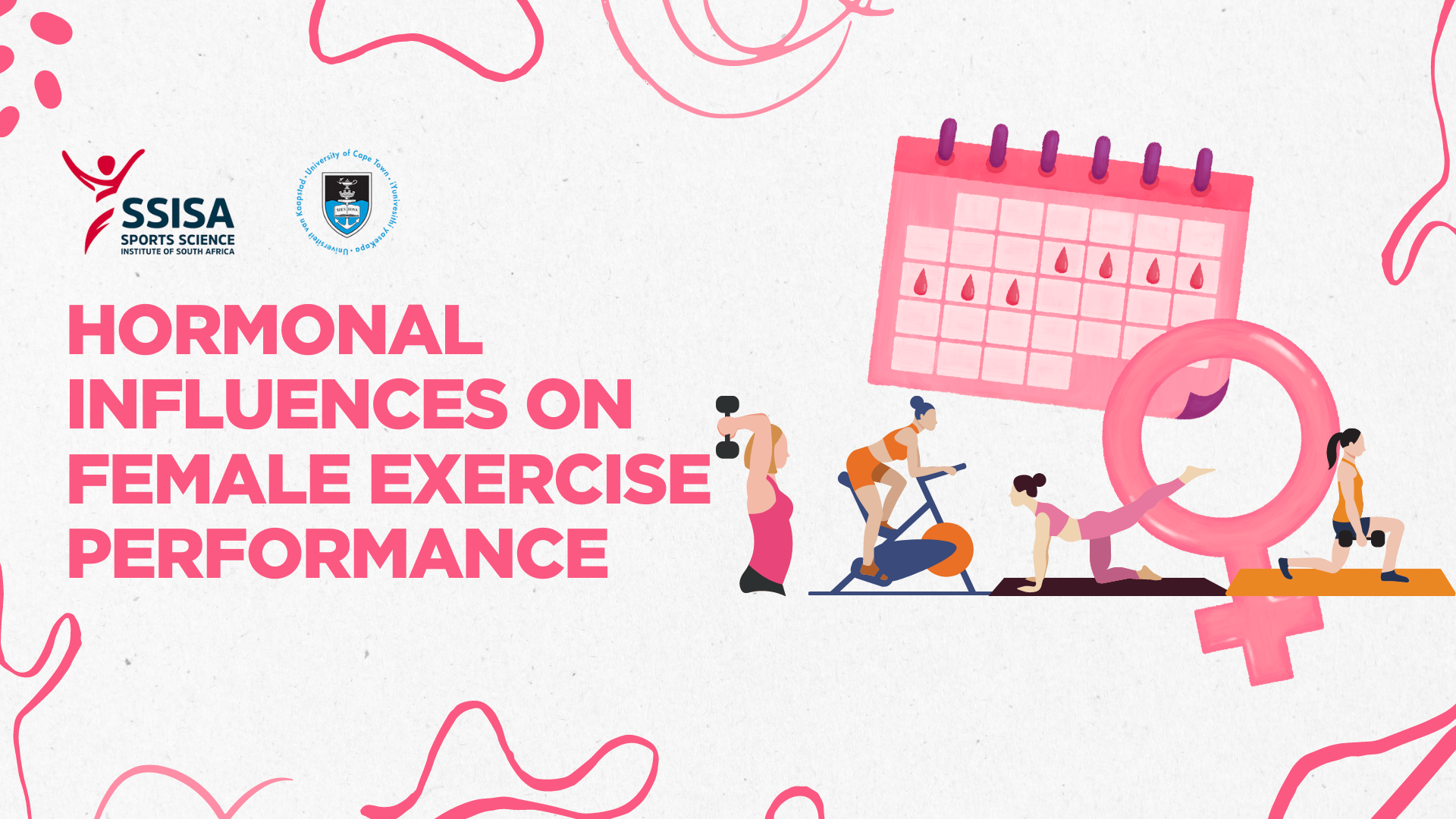
Hormonal balance plays a central role in metabolic health, particularly for women. During perimenopause, declining estrogen levels can lead to increased abdominal fat, insulin resistance, and a slower metabolism. This makes it harder to maintain weight and can contribute to fatigue, mood swings, and difficulty sleeping.
Insulin resistance is another major factor. When the body becomes resistant to insulin, it struggles to regulate blood sugar effectively, leading to cravings, weight gain, and an increased risk of type 2 diabetes. Women are more likely than men to experience insulin resistance, especially if they have conditions like Polycystic Ovary Syndrome (PCOS) or a family history of diabetes.
To combat these challenges, it's essential to focus on hormone-supporting lifestyle habits, such as regular physical activity, balanced nutrition, and stress management.
Key Steps to Optimize Metabolic Health
Optimizing metabolic health requires a holistic approach that includes tracking markers, addressing root causes, and making sustainable lifestyle changes. Here are six essential steps to consider:
1. Assess and Track Your Metabolic Markers
Start by understanding your current metabolic status. Work with a healthcare provider to get key tests, including:
- Fasting glucose
- Hemoglobin A1C
- Lipid panel (total cholesterol, LDL, HDL, triglycerides)
- Hormone panel (estrogen, progesterone, testosterone, thyroid)
- Inflammatory markers (like C-reactive protein)
These tests can reveal early signs of metabolic imbalance and guide personalized interventions.
2. Identify Root Causes
Metabolic health is often affected by factors like insulin resistance, gut health, and nutrient deficiencies. Addressing these underlying issues can have a profound impact on your overall well-being. For example, improving gut health through probiotics and fiber-rich foods can enhance nutrient absorption and reduce inflammation.
3. Monitor Blood Sugar Levels
Using tools like continuous glucose monitors (CGMs) or finger-prick tests can help track how your body responds to different foods. This insight allows you to make informed choices about what to eat and when.
4. Prioritize Lifestyle Factors
- Exercise: Combine strength training with cardiovascular workouts to build muscle and boost metabolism.
- Sleep: Aim for 7–9 hours of quality sleep each night to support hormone regulation and recovery.
- Stress Management: Chronic stress can disrupt metabolic balance. Practices like meditation, yoga, or deep breathing can help manage cortisol levels.
5. Focus on Nutrition
A diet rich in whole foods, lean proteins, and healthy fats supports metabolic health. Avoid processed foods, sugary drinks, and excessive refined carbohydrates. Instead, prioritize:
- Protein to preserve muscle mass and keep you full longer
- Fiber to support digestion and blood sugar control
- Healthy fats like omega-3s from fish or avocados
6. Consider Personalized Supplementation
Some women may benefit from targeted supplements, such as vitamin D, magnesium, or omega-3s, to address specific deficiencies. Always consult with a healthcare professional before starting any new supplement regimen.
The Importance of a Personalized Approach
No two women are the same, and neither is their metabolic health journey. What works for one person may not work for another. That’s why a personalized approach is so critical. Working with a functional medicine practitioner or registered dietitian can help you create a tailored plan that addresses your unique needs and goals.
For example, a woman with insulin resistance may benefit from a low-carb diet and regular blood sugar monitoring, while someone with thyroid issues might need a different strategy altogether. The key is to find what works best for your body and stick with it.
Conclusion
Optimizing metabolic health is a powerful way for women to take charge of their long-term wellness. By understanding the role of hormones, tracking key markers, and making sustainable lifestyle changes, you can improve your energy levels, manage your weight, and reduce your risk of chronic diseases.
Remember, metabolic health is not just about looking good—it’s about feeling good and living your best life. With the right strategies and support, you can achieve lasting results and thrive at every stage of life. Start today, and take the first step toward a healthier, more vibrant you.

Post a Comment for "How Women Can Optimize Their Metabolic Health for Long-Term Wellness"
Post a Comment