How to Overcome Brain Fog for Clear Thinking and Mental Clarity
If you’ve ever felt like your thoughts are muddled, your focus is off, or your mind just doesn’t seem to work as well as it used to, you’re not alone. Brain fog is a common experience that affects millions of people, often leaving them frustrated, tired, and struggling to perform at their best. But the good news is that brain fog isn’t permanent—it’s a signal from your body that something needs attention. In this article, we’ll explore science-backed strategies to overcome brain fog and restore mental clarity, helping you think more clearly, stay focused, and feel more in control of your life.

Understanding Brain Fog and Its Impact

Brain fog is not a medical condition on its own but rather a collection of symptoms that indicate cognitive dysfunction. It can manifest as difficulty concentrating, forgetfulness, sluggish thinking, and a general sense of mental fatigue. While it might seem like a minor inconvenience, brain fog can significantly impact your productivity, mood, and overall quality of life.
The causes of brain fog are varied and often interconnected. Poor sleep, chronic stress, nutritional deficiencies, dehydration, and excessive screen time are all common contributors. Additionally, hormonal imbalances, such as those related to thyroid function or menopause, can play a role. The key to overcoming brain fog lies in identifying and addressing these underlying factors through lifestyle changes and targeted habits.
10 Habits to Improve Mental Clarity and Reduce Brain Fog

1. Prioritize Quality Sleep
Sleep is one of the most critical factors in maintaining mental clarity. When you don’t get enough rest, your brain struggles to process information, regulate emotions, and maintain focus. To improve sleep quality:
- Maintain a consistent sleep schedule: Go to bed and wake up at the same time every day.
- Create a calming bedtime routine: Read a book, meditate, or take a warm bath to signal to your body that it’s time to wind down.
- Limit screen time before bed: Blue light from phones and computers can interfere with your ability to fall asleep.
By prioritizing sleep, you give your brain the chance to recover and reset, which can significantly reduce brain fog.
2. Eat a Brain-Boosting Diet

What you eat directly impacts your brain function. A diet rich in antioxidants, omega-3 fatty acids, and essential nutrients can enhance cognitive performance and reduce mental fatigue. Focus on:
- Whole foods: Fruits, vegetables, lean proteins, and whole grains provide the nutrients your brain needs to function optimally.
- Omega-3s: Found in fatty fish, walnuts, and flaxseeds, these fats support brain health and reduce inflammation.
- Hydration: Dehydration can cause fatigue and impair concentration. Aim for at least eight glasses of water a day.
By nourishing your brain with the right foods, you can improve focus, memory, and overall mental clarity.
3. Stay Hydrated

Water is essential for optimal brain function. Even mild dehydration can lead to mental fatigue, headaches, and difficulty concentrating. To stay hydrated:
- Drink water throughout the day: Keep a water bottle with you and sip regularly.
- Infuse your water: Add slices of lemon, cucumber, or berries for flavor without added sugar.
- Monitor your urine color: Pale yellow indicates proper hydration.
Staying hydrated helps your brain function at its best, reducing the risk of brain fog and improving mental clarity.
4. Engage in Regular Physical Activity
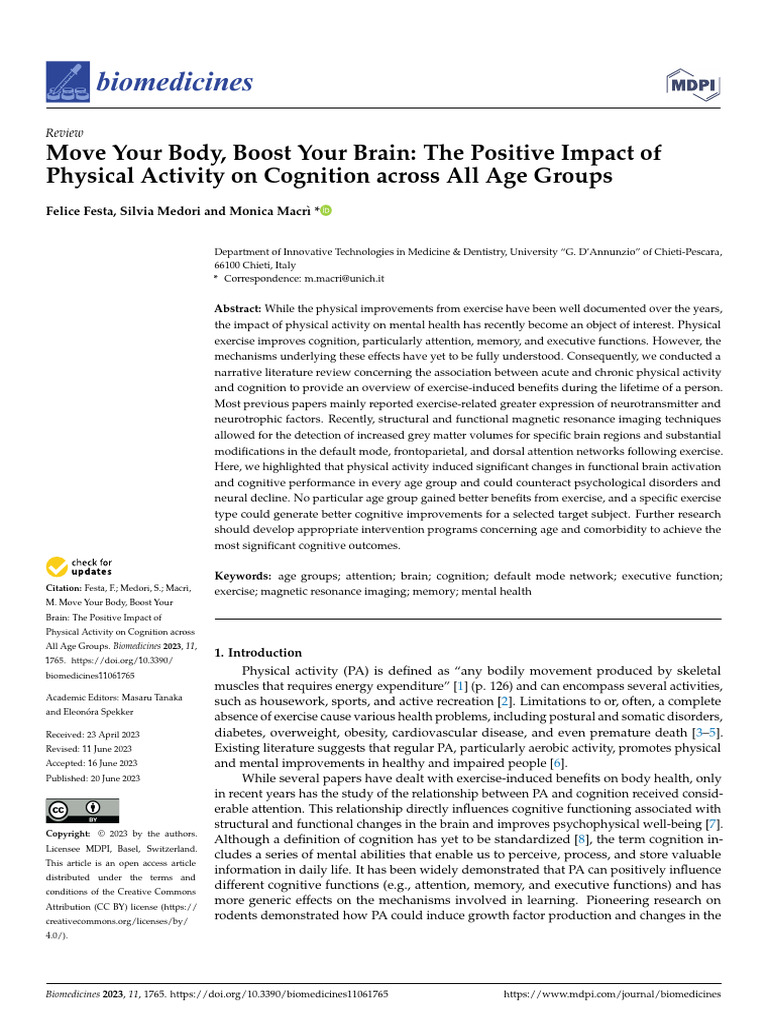
Exercise is not only good for your body but also for your brain. Physical activity increases blood flow to the brain, improves mood, and enhances cognitive function. Try incorporating:
- Aerobic exercises: Brisk walking, cycling, or swimming can boost mental energy and reduce stress.
- Strength training: Building muscle supports metabolic health and brain function.
- Mind-body practices: Yoga and tai chi combine physical movement with mindfulness, promoting both mental and physical well-being.
Regular movement can help clear brain fog and keep your mind sharp.
5. Practice Mindfulness and Meditation

Meditation and mindfulness practices are powerful tools for reducing stress and improving mental clarity. These techniques help calm the mind, enhance focus, and promote emotional balance. Consider:
- Daily meditation: Spend 5–10 minutes each day focusing on your breath or a mantra.
- Deep breathing exercises: Inhale deeply through your nose and exhale slowly through your mouth to reduce tension.
- Mindful journaling: Write down your thoughts and goals to declutter your mind and gain clarity.
By making mindfulness a part of your daily routine, you can reduce brain fog and improve your overall mental state.
6. Limit Digital Overload

Excessive screen time and constant digital distractions can contribute to mental fatigue and brain fog. To reduce digital overload:
- Set boundaries: Turn off non-essential notifications and use “focus mode” during work hours.
- Take regular breaks: Use the Pomodoro Technique—work for 25 minutes, then take a 5-minute break.
- Create tech-free zones: Keep devices out of your bedroom and other areas where you need to relax and recharge.
Reducing screen time allows your brain to rest and refocus, leading to improved mental clarity.
7. Engage in Brain-Boosting Activities

Challenging your brain through new activities can enhance cognitive function and reduce brain fog. Try:
- Reading and puzzles: Crosswords, Sudoku, and books keep your mind active and engaged.
- Learning new skills: Take a class, learn a language, or pick up a new hobby.
- Creative outlets: Painting, writing, or playing music stimulates different parts of the brain and promotes mental agility.
By continuously challenging your brain, you can improve memory, problem-solving skills, and overall cognitive performance.
8. Organize and Declutter Your Environment

A cluttered environment can lead to a cluttered mind. To create a space that supports mental clarity:
- Declutter regularly: Clean and organize your workspace and living areas to reduce distractions.
- Designate zones: Create separate areas for work, relaxation, and sleep to improve focus and productivity.
- Embrace minimalism: Simplify your surroundings to reduce visual overload and promote mental clarity.
An organized environment can help you stay focused, reduce stress, and improve your overall mental well-being.
9. Take Regular Breaks

Taking short, frequent breaks throughout the day can prevent mental fatigue and improve focus. Try:
- Pomodoro technique: Work in 25-minute intervals with 5-minute breaks in between.
- Active breaks: Stretch, walk, or do a quick workout to refresh your mind.
- Mindful pauses: Use your breaks to practice deep breathing or meditation to reset your focus.
Regular breaks help maintain mental energy and prevent burnout, allowing you to stay productive and focused.
10. Cultivate a Positive Mindset

A positive mindset can significantly impact your mental clarity and overall well-being. To foster a more positive outlook:
- Practice gratitude: Keep a gratitude journal to focus on the positive aspects of your day.
- Use affirmations: Repeat positive statements to reinforce a clear and focused mindset.
- Engage with supportive communities: Surround yourself with people who uplift and inspire you.
By cultivating a positive mindset, you can reduce stress, improve emotional resilience, and enhance mental clarity.
Final Thoughts

Overcoming brain fog is not about quick fixes—it’s about making consistent, healthy choices that support your mental well-being. By prioritizing sleep, nutrition, hydration, physical activity, mindfulness, and digital detox, you can regain mental clarity and improve your overall quality of life. Remember, your brain is capable of remarkable recovery and growth when given the right care. Start implementing these habits today, and watch as your mental clarity and focus improve over time.

Post a Comment for "How to Overcome Brain Fog for Clear Thinking and Mental Clarity"
Post a Comment