How to Optimize Your Menstrual Cycle Health: Tips and Strategies for Better Wellness
Your menstrual cycle is more than just a monthly event—it's a reflection of your overall health. When your cycle is balanced, it signals that your body is functioning well, both hormonally and physically. However, life’s demands, stress, and lifestyle choices can disrupt this natural rhythm. The good news is that there are practical steps you can take to optimize your menstrual cycle health and support your long-term wellness.
Understanding the Impact of Stress on Your Cycle

Stress is one of the most common culprits behind irregular or painful periods. During high-stress times—like the holiday season or work deadlines—your body produces more cortisol, the "stress hormone." This can throw off the delicate balance of hormones that regulate your menstrual cycle.
For example, elevated cortisol levels can interfere with the hypothalamic-pituitary-ovarian (HPO) axis, which controls your menstrual cycle. This disruption can lead to delayed periods, heavier bleeding, or even missed cycles. Managing stress isn’t just about relaxation; it’s about creating a routine that supports your body’s natural rhythms.
Strategies to manage stress: - Practice deep breathing exercises - Incorporate mindfulness or meditation into your daily routine - Spend time in nature or listen to calming music - Talk to a friend or therapist about your concerns
Prioritize Quality Sleep for Hormonal Balance

Sleep is often overlooked when it comes to menstrual health, but it plays a critical role in maintaining hormonal balance. Poor sleep patterns, such as staying up late or not getting enough rest, can affect melatonin production, which in turn impacts estrogen and progesterone levels.
To restore your cycle, aim for 7–8 hours of sleep each night at consistent times. Avoid screens before bed, and try a bedtime routine that includes dimming lights, herbal tea, and calming music. A regular sleep schedule helps reset your circadian rhythm and reduces stress hormones, making it an essential step in optimizing your menstrual cycle.
Nourish Your Body with the Right Nutrients
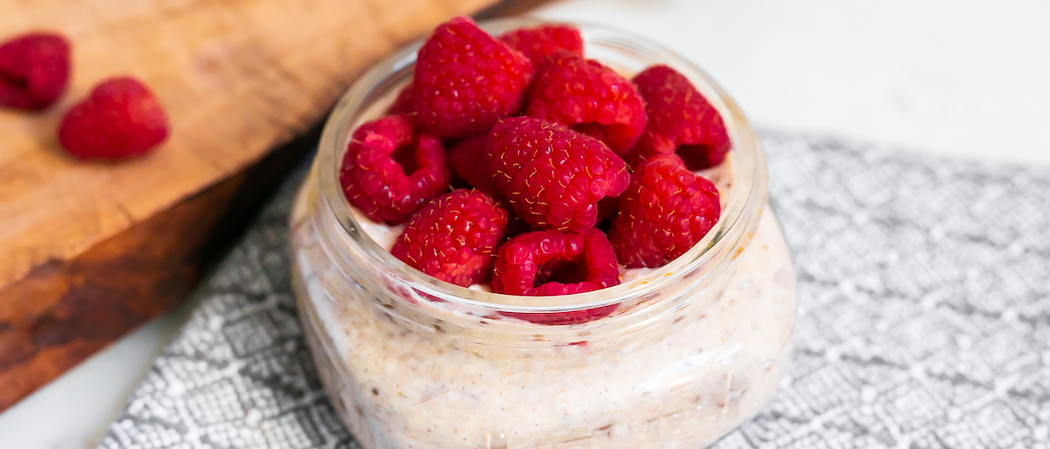
What you eat directly affects your hormonal health. After periods of indulgence or irregular eating, it’s important to focus on nutrient-dense foods that support your body’s natural processes. Avoid crash diets or extreme fasting, as these can further disrupt your cycle.
A balanced diet should include: - Iron-rich foods: Spinach, beetroot, dates, and pomegranates - Healthy fats: Nuts, seeds, avocado, and olive oil - Protein sources: Eggs, lentils, fish, and paneer - Fiber and cruciferous vegetables: Broccoli, cabbage, and cauliflower to help the liver process excess estrogen - Hydration: At least 3 liters of water daily
Avoid refined sugars, processed foods, and excessive caffeine. Focus on whole foods that nourish your body and support hormone production.
Incorporate Gentle Movement for Hormonal Health
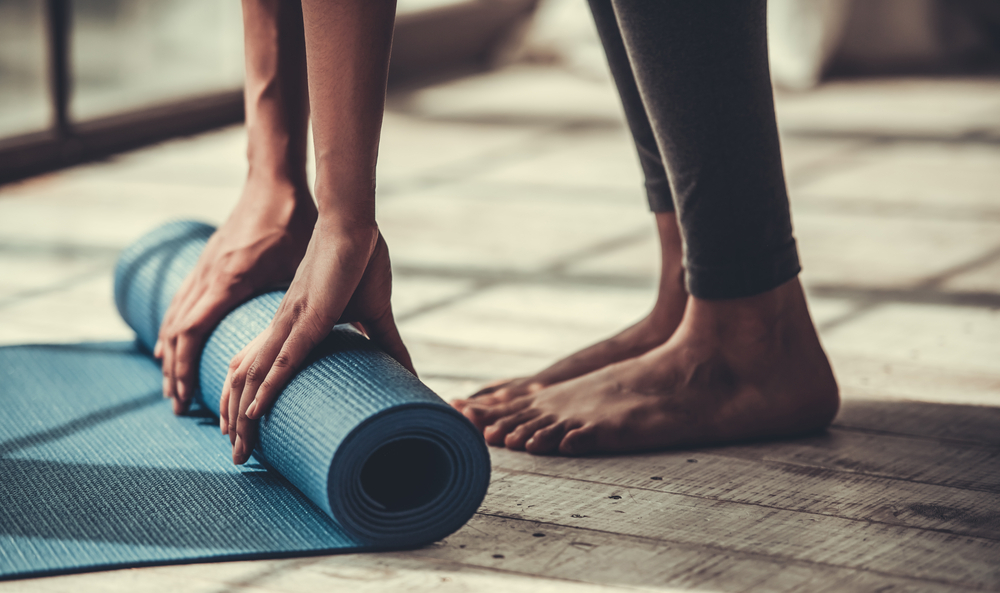
Exercise is a powerful tool for regulating your menstrual cycle, but it’s important to choose activities that support rather than strain your body. Overexercising can actually worsen hormonal imbalances and delay periods.
Gentle movement like walking, yoga, or stretching can improve circulation, release endorphins, and lower cortisol levels. Specific yoga poses, such as the butterfly pose, bridge pose, and child’s pose, are particularly beneficial for menstrual comfort. Even 30 minutes of light activity per day can make a significant difference in your hormonal balance and overall wellness.
Support Your Liver and Gut for Hormonal Balance

Your liver and gut play a crucial role in metabolizing and eliminating hormones like estrogen. After periods of overindulgence, they may become overloaded, leading to symptoms like bloating, PMS, or irregular bleeding.
To support these systems: - Eat fiber-rich foods like oats, fruits, and vegetables - Include probiotics such as curd or buttermilk - Drink warm water with lemon or turmeric in the morning - Limit alcohol and fried foods for a few weeks
A healthy digestive system ensures that your hormones communicate effectively, helping your body return to a natural rhythm.
Track Your Cycle for Better Insights
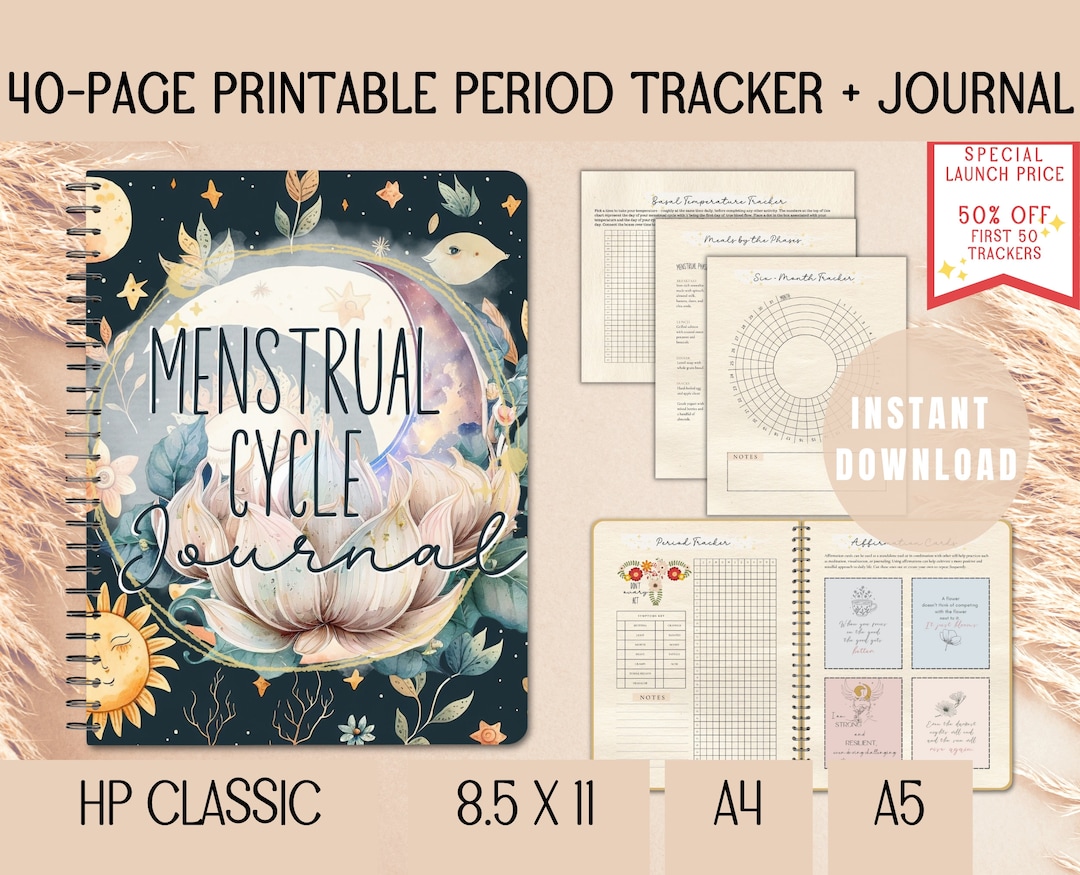
Tracking your menstrual cycle can provide valuable insights into your body’s patterns and help you identify any irregularities. Use a period-tracking app or journal to note: - Start and end dates of your period - Flow and cramp intensity - Mood and energy changes - Sleep and diet patterns
After a period of disruption, your cycle may be a few days early or late, and that’s normal. With consistent tracking, your body usually finds its rhythm within one or two months. If you notice persistent issues like missed periods, heavy bleeding, or severe pain, consult a healthcare professional.
When to Seek Medical Advice

While many menstrual irregularities can be managed through lifestyle changes, some may indicate underlying health issues. Consult a gynecologist if you experience: - Missed periods for over 6–8 weeks - Excessive bleeding or pain - Acne, hair loss, or weight changes - Persistent fatigue or anxiety
Conditions like thyroid imbalance or polycystic ovary syndrome (PCOS) can be triggered or worsened by stress and lifestyle factors. Early diagnosis and treatment are key to restoring balance and preventing long-term complications.
Conclusion
Optimizing your menstrual cycle health is an ongoing process that requires attention to your body’s needs. By managing stress, prioritizing sleep, eating nourishing foods, incorporating gentle movement, supporting your liver and gut, and tracking your cycle, you can create a foundation for long-term wellness. Remember, your menstrual cycle is a reflection of your overall health, and taking care of it is an act of self-care that benefits every aspect of your life.

Post a Comment for "How to Optimize Your Menstrual Cycle Health: Tips and Strategies for Better Wellness"
Post a Comment