How to Optimize Your Energy with Cycle Syncing: A Complete Guide

When it comes to managing your energy levels, it's easy to feel like you're at the mercy of your schedule. But what if you could align your workouts, meals, and daily routines with the natural rhythms of your body? That’s where cycle syncing comes in—a holistic approach that helps you optimize your energy by working with the hormonal fluctuations of your menstrual cycle.
This guide will walk you through the science behind cycle syncing, how it affects your energy levels, and practical tips for integrating this practice into your life. Whether you're a busy professional, a fitness enthusiast, or someone looking to better understand your body, this article is designed to help you harness the power of your cycle to boost your energy and overall well-being.
Understanding the Phases of Your Menstrual Cycle
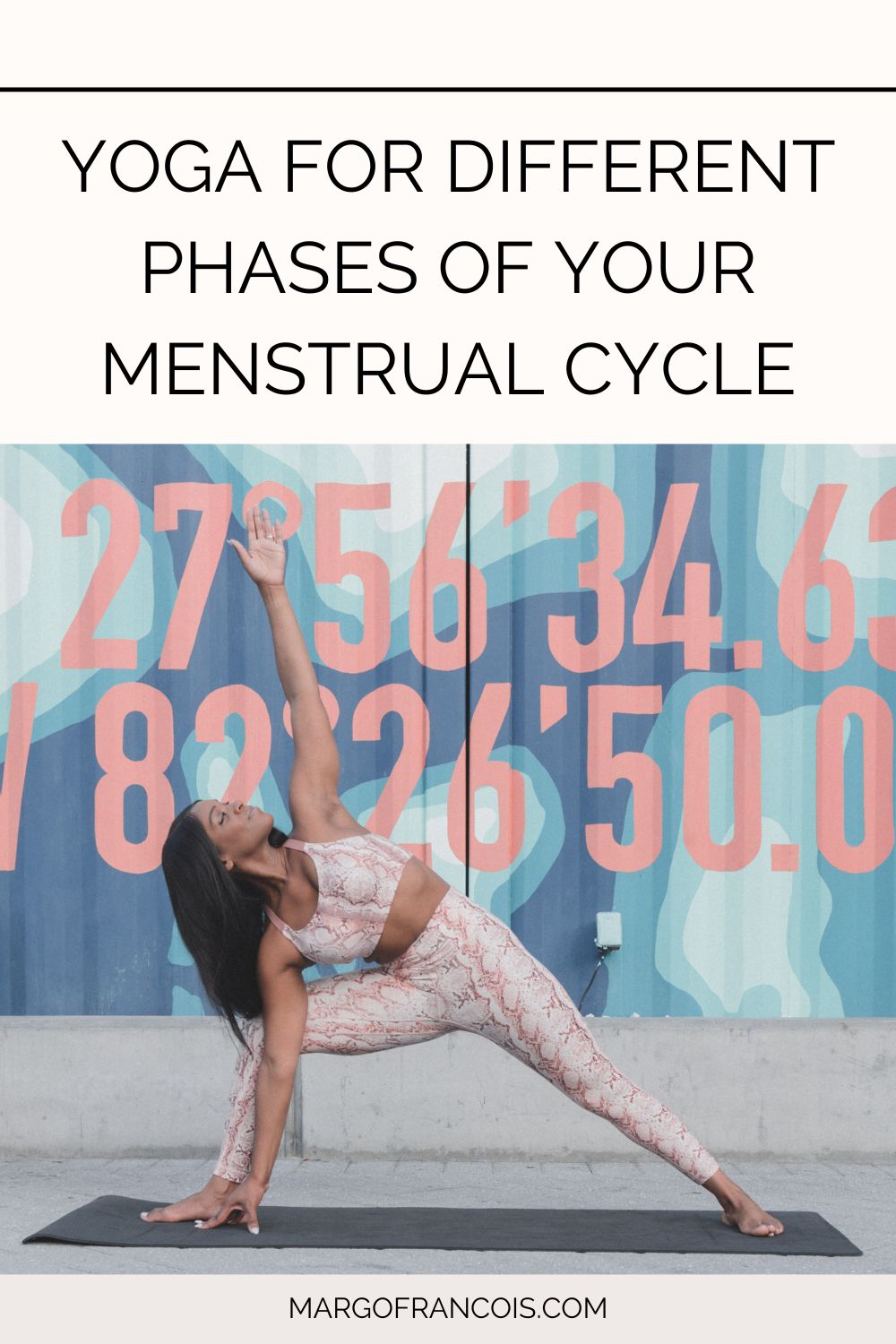
Your menstrual cycle is divided into four distinct phases, each marked by unique hormonal changes that influence your energy, mood, and physical performance. By understanding these phases, you can tailor your activities to match your body’s natural rhythm.
1. Menstrual Phase (Days 1–5)
The menstrual phase is the first part of your cycle, characterized by the shedding of the uterine lining. During this time, estrogen and progesterone levels are at their lowest, which often leads to fatigue, cramps, and a desire to rest. It’s a great time to focus on gentle movement and self-care rather than high-intensity workouts.
- Energy Levels: Low
- Best Activities: Walking, yoga, stretching, light walking meditation
2. Follicular Phase (Days 6–14)
As your period ends, your body enters the follicular phase, where estrogen begins to rise. This increase in estrogen boosts your energy, motivation, and mental clarity. It’s an ideal time to try new exercises or push yourself a bit harder in your routine.
- Energy Levels: Increasing
- Best Activities: Strength training, HIIT, dance cardio, hiking
3. Ovulatory Phase (Days 15–17)
Ovulation occurs when your egg is released from the ovary. This phase is marked by a peak in estrogen and testosterone, which can lead to increased confidence, energy, and competitiveness. It’s a perfect time to challenge yourself with high-intensity workouts or social activities.
- Energy Levels: High
- Best Activities: HIIT classes, running, boxing, spinning
4. Luteal Phase (Days 18–28)
After ovulation, your body enters the luteal phase, where progesterone rises. This can lead to fatigue, mood swings, and cravings—especially in the second half of the phase. It’s a good time to focus on recovery, low-impact exercises, and self-nourishment.
- Energy Levels: Starts high, then declines
- Best Activities: Pilates, yoga, moderate cardio, strength training
The Science Behind Cycle Syncing
Hormones play a central role in how we feel and perform throughout the month. Estrogen, progesterone, and testosterone all fluctuate during your cycle, affecting everything from your mood to your energy levels.
- Estrogen peaks during the follicular and ovulatory phases, boosting energy and motivation.
- Progesterone rises during the luteal phase, which can cause fatigue and mood swings.
- Testosterone spikes during ovulation, enhancing strength and competitiveness.
By aligning your workouts, diet, and daily tasks with these hormonal shifts, you can maximize your energy and avoid burnout.
Benefits of Cycle Syncing
Cycle syncing isn’t just about optimizing your workouts—it’s about living in harmony with your body. Here are some key benefits:
- Improved Energy Management: You’ll learn to recognize when your energy is high and when it’s low, allowing you to plan your day accordingly.
- Enhanced Physical Performance: Working with your body’s natural rhythm can improve your strength, endurance, and recovery.
- Reduced PMS Symptoms: By adjusting your diet and lifestyle, you may experience fewer mood swings, cramps, and fatigue.
- Increased Self-Awareness: Cycle syncing encourages you to listen to your body, leading to a deeper connection with your health and well-being.
Practical Tips for Starting Cycle Syncing
If you’re new to cycle syncing, here are some steps to get started:
1. Track Your Cycle
Use a period-tracking app like Flo, Clue, or MyFLO to monitor your cycle. This will help you identify which phase you’re in and adjust your activities accordingly.
2. Listen to Your Body
Cycle syncing is about flexibility. If you feel tired, take a rest. If you’re energized, go for a run. Your body knows what it needs.
3. Adjust Your Workouts
Tailor your exercise routine to match your energy levels: - Menstrual Phase: Focus on gentle movement and recovery. - Follicular Phase: Try new workouts and build strength. - Ovulatory Phase: Push yourself with high-intensity sessions. - Luteal Phase: Prioritize low-impact exercises and recovery.
4. Fuel Your Body
Nutrition plays a key role in supporting your energy levels. For example: - Menstrual Phase: Eat iron-rich foods like leafy greens and red meat. - Follicular Phase: Focus on protein and fiber. - Ovulatory Phase: Incorporate anti-inflammatory foods like berries and omega-3s. - Luteal Phase: Increase healthy fats and magnesium-rich foods to manage PMS symptoms.
5. Practice Self-Care
Cycle syncing isn’t just about physical activity—it’s also about mental and emotional well-being. Use the menstrual phase for reflection, journaling, and self-care. The follicular phase is great for creativity and planning, while the luteal phase is ideal for organization and completing tasks.
Real-Life Examples of Cycle Syncing
Let’s look at how cycle syncing can be applied in everyday life:
Example 1: A Busy Professional
During the menstrual phase, she focuses on short walks and yoga to manage fatigue. In the follicular phase, she tackles new projects and attends networking events. During ovulation, she joins a HIIT class to boost her energy. In the luteal phase, she prioritizes rest and completes pending tasks.
Example 2: An Athlete
She uses the menstrual phase for recovery and light stretching. In the follicular phase, she increases her strength training. During ovulation, she pushes herself with intense workouts. In the luteal phase, she focuses on low-impact exercises and injury prevention.
Final Thoughts
Cycle syncing is more than just a trend—it’s a powerful way to live in tune with your body’s natural rhythms. By understanding the phases of your cycle and adjusting your lifestyle accordingly, you can optimize your energy, improve your performance, and enhance your overall well-being.
Whether you’re just starting out or have been practicing cycle syncing for years, remember that there’s no one-size-fits-all approach. What works for one person might not work for another. The key is to stay attuned to your body and make adjustments as needed.
Start small, track your progress, and embrace the journey of learning to live in harmony with your cycle. With time and consistency, you’ll discover a more balanced, energized version of yourself.

Post a Comment for "How to Optimize Your Energy with Cycle Syncing: A Complete Guide"
Post a Comment