How to Optimize Glucose Metabolism Naturally: A Comprehensive Guide
Maintaining healthy glucose metabolism is essential for overall well-being, energy levels, and long-term health. While modern medicine offers various treatments, many people are turning to natural methods to support their bodies in managing blood sugar effectively. This guide explores practical, science-backed strategies to optimize glucose metabolism naturally, focusing on lifestyle changes, dietary choices, and the role of specific herbs and foods.

Understanding Glucose Metabolism

Glucose metabolism refers to how your body processes and uses glucose (sugar) from the food you eat. When you consume carbohydrates, they are broken down into glucose, which enters the bloodstream. Insulin, a hormone produced by the pancreas, helps cells absorb glucose for energy. If this process is disrupted—due to insulin resistance or other factors—glucose can build up in the blood, leading to health issues like type 2 diabetes.
Optimizing glucose metabolism means supporting your body’s ability to regulate blood sugar efficiently. This can be achieved through diet, exercise, hydration, and even certain natural supplements.
The Role of Diet in Glucose Metabolism

Diet plays a central role in glucose regulation. What you eat directly affects how your body processes sugar. Here are some key dietary strategies to consider:
- Prioritize Whole Foods: Focus on unprocessed, nutrient-dense foods like vegetables, whole grains, lean proteins, and healthy fats. These foods provide sustained energy without causing sharp spikes in blood sugar.
- Control Carbohydrate Intake: Not all carbs are equal. Choose complex carbohydrates that are high in fiber, such as oats, quinoa, and legumes, which help slow the absorption of glucose into the bloodstream.
- Incorporate Healthy Fats: Fats from sources like avocados, nuts, and olive oil can help stabilize blood sugar levels and reduce inflammation.
- Stay Hydrated: Drinking enough water supports kidney function and helps flush excess glucose from the body. Aim for at least eight glasses a day.
The Power of Herbs and Spices
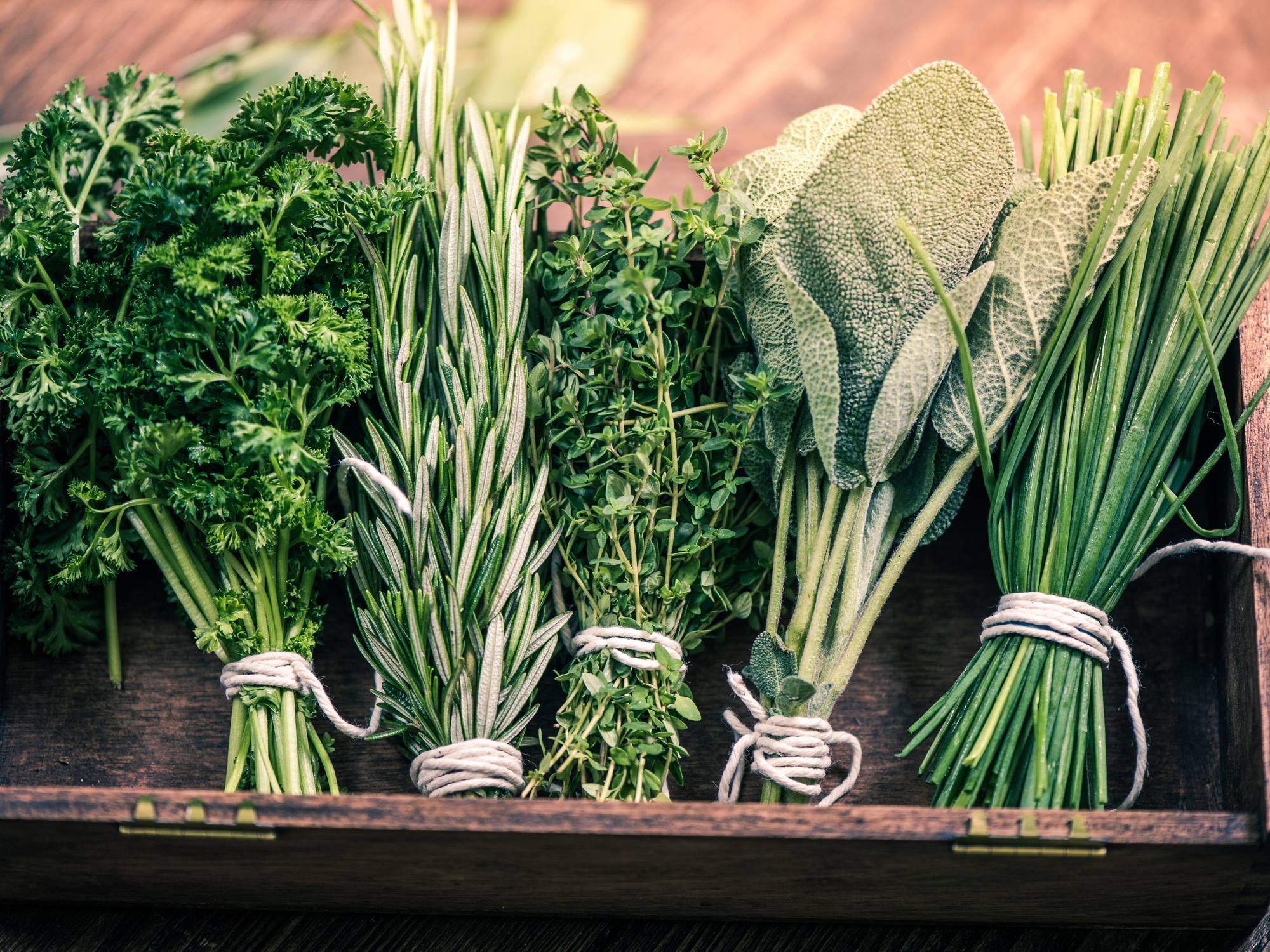
Herbs and spices have been used for centuries to support metabolic health. Many of these natural remedies can enhance insulin sensitivity and improve glucose metabolism. Some of the most effective include:
- Cinnamon: Known for its ability to mimic insulin and improve glucose uptake by cells. Sprinkle it on oatmeal, yogurt, or in smoothies.
- Fenugreek: Contains soluble fiber that helps regulate blood sugar. Soak the seeds overnight and add them to meals or smoothies.
- Berberine: A compound found in plants like goldenseal, berberine has been shown to lower blood sugar levels effectively. It's often taken as a supplement but should be used under professional guidance.
- Turmeric: The active ingredient, curcumin, may improve insulin sensitivity. Add it to roasted vegetables, rice dishes, or smoothies.
- Gymnema Sylvestre: Often called "sugar destroyer," this herb can reduce sugar cravings and support insulin production.
These herbs can be easily incorporated into daily meals or taken as supplements, offering a natural way to support metabolic health.
The Importance of Physical Activity

Exercise is one of the most effective ways to improve glucose metabolism. Regular physical activity helps your muscles use glucose more efficiently, reducing the amount of sugar in your bloodstream. Here are some types of exercise that can make a difference:
- Aerobic Exercise: Activities like walking, cycling, or swimming help improve cardiovascular health and boost insulin sensitivity.
- Strength Training: Building muscle mass increases your body's ability to use glucose, making it an important part of any glucose management strategy.
- High-Intensity Interval Training (HIIT): Short bursts of intense activity followed by rest periods, such as Tabata workouts, have been shown to improve glucose metabolism and increase calorie burn even after the workout is over.
Lifestyle Changes That Support Metabolic Health

Beyond diet and exercise, several lifestyle changes can contribute to better glucose metabolism:
- Get Enough Sleep: Poor sleep can disrupt insulin sensitivity and lead to higher blood sugar levels. Aim for 7–9 hours of quality sleep each night.
- Manage Stress: Chronic stress can elevate cortisol levels, which can interfere with glucose regulation. Practice relaxation techniques like meditation, deep breathing, or yoga.
- Avoid Smoking and Excessive Alcohol: Both smoking and heavy alcohol consumption can negatively impact insulin sensitivity and overall metabolic health.
The Science Behind Natural Approaches

Many of the natural approaches to optimizing glucose metabolism are backed by scientific research. For example, studies have shown that diets rich in fiber and protein can stimulate the release of gut hormones like GLP-1 and PYY, which help control appetite and regulate blood sugar. Similarly, certain herbs and spices have been found to improve insulin sensitivity and reduce inflammation, both of which play a role in glucose metabolism.
Traditional diets, such as the Mediterranean, Japanese, and Okinawan diets, also offer valuable insights. These diets emphasize whole foods, fermented ingredients, and balanced nutrition, all of which support long-term metabolic health.
Conclusion
Optimizing glucose metabolism naturally is not about quick fixes or extreme measures—it's about making sustainable, informed choices that support your body's needs. By incorporating whole foods, staying physically active, using beneficial herbs, and managing stress, you can take control of your metabolic health in a safe and effective way.
Remember, while natural remedies can be powerful, they should complement—not replace—professional medical advice. Always consult with a healthcare provider before making significant changes to your routine, especially if you have existing health conditions.
With the right approach, you can achieve better glucose control, improved energy levels, and a healthier, more balanced life. Start small, stay consistent, and let nature guide you toward better metabolic health.

Post a Comment for "How to Optimize Glucose Metabolism Naturally: A Comprehensive Guide"
Post a Comment