How to Integrate a Neurowellness Lifestyle for Long-Term Mental and Physical Health
In today’s fast-paced world, the concept of wellness is evolving beyond traditional fitness and diet. One of the most promising trends in modern health is neurowellness—a lifestyle that focuses on regulating the nervous system to enhance mental and physical well-being. As stress, burnout, and sleep disturbances become more common, integrating neurowellness into daily life can offer long-term benefits for resilience, clarity, and overall vitality.
This article explores what neurowellness is, why it matters, and how you can begin incorporating it into your routine. Whether you're looking to reduce anxiety, improve focus, or boost your energy levels, this guide provides actionable steps to help you achieve a more balanced and sustainable lifestyle.
Understanding Neurowellness: The Science Behind the Trend
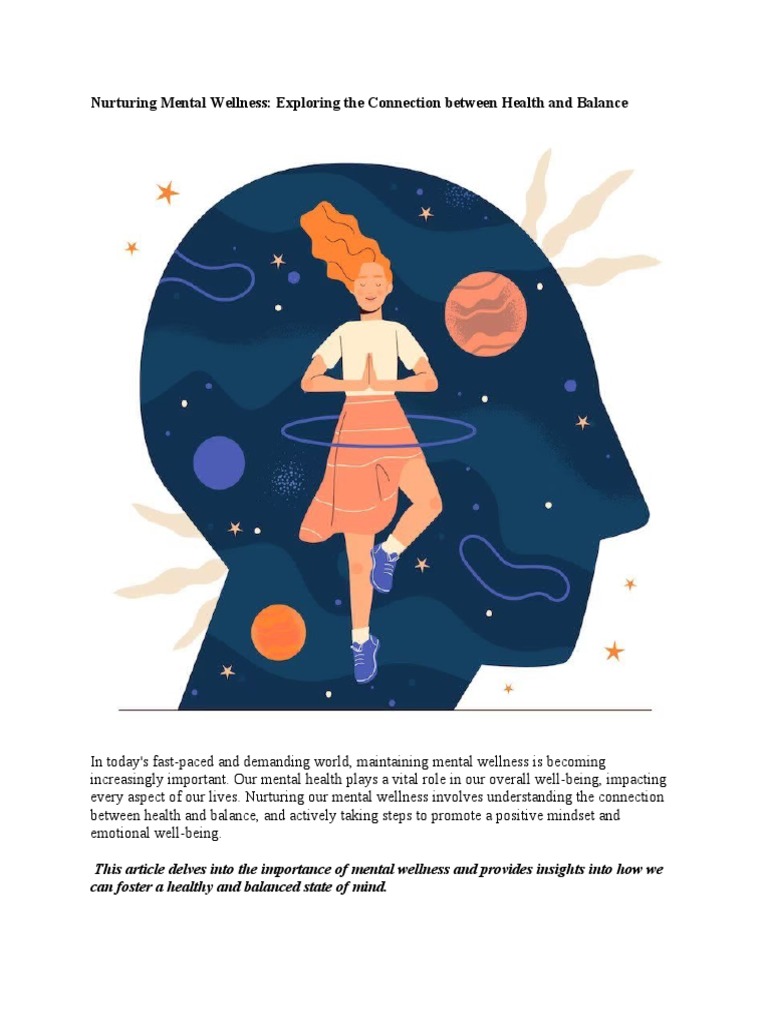
Neurowellness is an emerging field that emphasizes the regulation of the nervous system to support whole-body health. Unlike traditional wellness approaches that often focus on symptoms or isolated aspects of health, neurowellness takes a holistic view, addressing the root causes of stress and imbalance.
At its core, neurowellness recognizes that the nervous system plays a critical role in how we feel, think, and function. When the body is in a constant state of “fight or flight,” it can lead to chronic stress, disrupted sleep, and even long-term health issues like inflammation and hormonal imbalances. By learning to regulate the nervous system, individuals can restore balance and promote recovery.
The nervous system is divided into two main branches: the sympathetic (responsible for activation) and the parasympathetic (responsible for rest and digestion). A well-regulated nervous system can shift between these states smoothly, allowing the body to respond to stress without staying in a heightened state of alertness.
Why Neurowellness Matters: The Modern Health Crisis
Modern life is filled with stressors that keep the nervous system in a near-constant state of low-grade activation. From endless notifications and artificial light to work-life imbalance and uncertainty, our bodies are constantly under pressure. This chronic stress not only affects mental health but also has measurable impacts on physical health.
Research shows that prolonged exposure to stress can lead to:
- Poor sleep quality
- Increased inflammation
- Hormonal imbalances
- Cognitive decline
- Weakened immune function
Neurowellness addresses these issues by helping the body return to a state of balance. It’s not about eliminating stress entirely but about building the capacity to recover from it. This approach aligns with the growing understanding that mental and physical health are deeply interconnected.
Practical Strategies for Integrating Neurowellness
Integrating neurowellness into your daily life doesn’t require drastic changes. Instead, it involves small, consistent habits that support nervous system regulation. Here are some practical strategies to get started:
1. Prioritize Sleep
Sleep is one of the most visible indicators of nervous system health. When the body feels safe, it can enter deep, restorative sleep. However, when stressed or overstimulated, sleep becomes fragmented and less effective.
To improve sleep quality: - Stick to a regular sleep schedule. - Avoid screens at least an hour before bed. - Create a calming bedtime routine (e.g., reading, meditation, or gentle stretching). - Consider using sleep-tracking devices to monitor your progress.
2. Practice Breathwork
Breathing is a powerful tool for regulating the nervous system. Techniques like diaphragmatic breathing, box breathing, and alternate nostril breathing can activate the parasympathetic nervous system, promoting relaxation and reducing stress.
Try incorporating 5–10 minutes of breathwork into your daily routine, especially during moments of stress or before bed.
3. Engage in Mindful Movement
Physical activity is essential for nervous system health. However, not all movement is created equal. Activities like yoga, tai chi, and Pilates combine physical movement with mindfulness, helping to calm the mind and improve body awareness.
Even simple practices like walking in nature or stretching can have a positive impact on your nervous system.
4. Use Neuroregulation Tools
Technology is playing an increasing role in neurowellness. Devices such as vagus nerve stimulators, EEG-guided sleep tools, and neurofeedback platforms are making it easier to monitor and train the nervous system.
Some popular options include: - Pulsetto: A device that uses sound and vibration to stimulate the vagus nerve. - Myndlift: A neurofeedback platform that helps users train their brainwaves. - Oura Ring: A wearable that tracks sleep, activity, and recovery.
These tools can be particularly helpful for those who want to take a more active role in managing their nervous system health.
5. Incorporate Somatic Practices
Somatic practices, such as Feldenkrais, Alexander Technique, and somatic experiencing, focus on the connection between the body and mind. These methods help individuals become more aware of their physical sensations and release tension stored in the body.
Regular practice can improve posture, reduce stress, and enhance overall well-being.
The Role of Nutrition in Neurowellness
What we eat has a direct impact on how our nervous system functions. Certain nutrients support brain health and help regulate stress responses. Here are some key dietary considerations:
- Omega-3 Fatty Acids: Found in fatty fish, flaxseeds, and walnuts, these fats support cognitive function and reduce inflammation.
- Antioxidants: Foods like berries, leafy greens, and dark chocolate protect the brain from oxidative stress.
- B Vitamins: Important for energy production and neurotransmitter synthesis, found in whole grains, eggs, and legumes.
- Magnesium and Zinc: Essential for nerve function and stress management, found in nuts, seeds, and leafy vegetables.
A balanced diet that supports gut health is also crucial, as the gut and brain are closely connected through the gut-brain axis.
Embracing a Neurowellness Lifestyle: A Step-by-Step Guide
Integrating neurowellness into your life is a gradual process. Start with small, manageable changes and build from there. Here’s a step-by-step plan to help you get started:
- Assess Your Stress Levels: Keep a journal to track when and how you feel stressed. This will help you identify patterns and triggers.
- Set a Daily Routine: Establish a consistent schedule that includes time for sleep, movement, and relaxation.
- Practice Mindfulness: Dedicate 10 minutes each day to meditation, deep breathing, or mindful reflection.
- Limit Stimulants: Reduce caffeine, sugar, and screen time, especially in the evening.
- Connect with Nature: Spend time outdoors to reduce stress and improve mood.
- Stay Socially Connected: Strong relationships contribute to emotional resilience and mental well-being.
Over time, these habits will become second nature, leading to lasting improvements in your overall health.
The Future of Neurowellness: What to Expect
As research continues to uncover the complex connections between the nervous system and overall health, neurowellness is likely to become even more mainstream. Advances in technology, such as AI-driven neurofeedback and personalized wellness programs, will make it easier for individuals to manage their nervous system health.
Additionally, we can expect to see more integration of neurowellness into everyday spaces, including workplaces, schools, and healthcare settings. The goal is to create environments that support nervous system regulation, rather than contributing to stress and burnout.
Conclusion
Neurowellness is more than just a trend—it’s a powerful approach to achieving long-term mental and physical health. By understanding the science behind the nervous system and incorporating practical strategies into daily life, individuals can build resilience, reduce stress, and improve their overall well-being.
Whether you’re starting with simple breathwork, exploring neuroregulation tools, or making dietary changes, every step counts. As the modern world continues to evolve, prioritizing nervous system health will become increasingly essential for living a balanced, fulfilling life.
Post a Comment for "How to Integrate a Neurowellness Lifestyle for Long-Term Mental and Physical Health"
Post a Comment