10 Science-Backed Ways to Boost Organic Brain Performance Naturally
The human brain is a marvel of complexity, responsible for everything from basic bodily functions to intricate thought processes. As we age, maintaining optimal brain performance becomes increasingly important. While the concept of "organic brain performance enhancement" might sound like a modern buzzword, it's rooted in science and practical lifestyle choices. This article explores ten evidence-based strategies that can naturally boost your brain’s functionality without relying on artificial supplements or unproven methods.
1. Prioritize Cardiovascular Health

Your brain requires a steady supply of oxygen to function properly, and cardiovascular health plays a crucial role in delivering that oxygen. Regular physical activity, such as walking, swimming, or cycling, not only improves heart health but also enhances cognitive function. Research shows that exercise stimulates the growth of new neurons and increases blood flow to the brain, which can improve memory, focus, and overall mental clarity.
2. Ensure Quality Sleep

Sleep is essential for brain health, as it allows the brain to consolidate memories and clear out toxins. Studies have shown that sleep deprivation can impair cognitive function, mood regulation, and even decision-making abilities. Experts recommend getting at least seven to eight hours of quality sleep each night. To improve sleep, establish a consistent bedtime routine, limit screen time before bed, and create a comfortable sleeping environment.
3. Engage in Social Activities
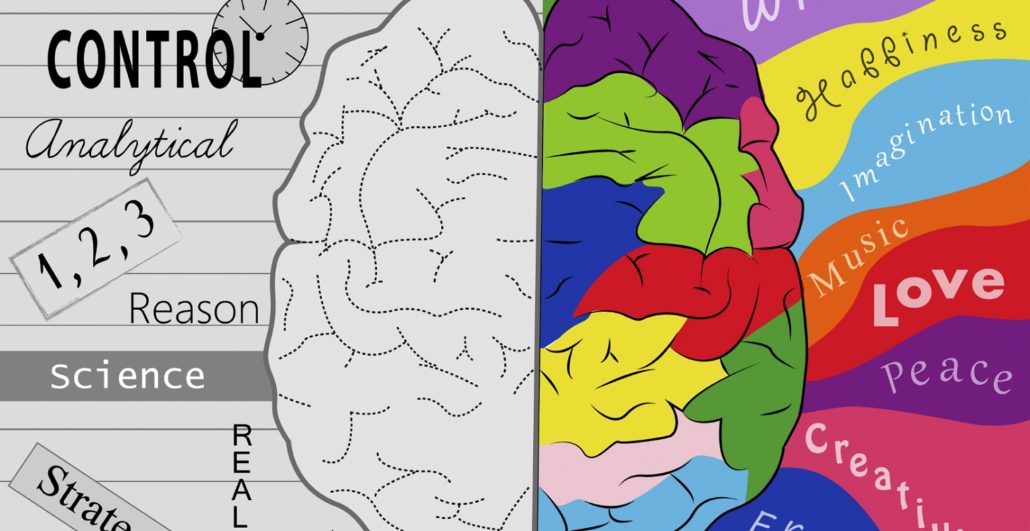
Social interaction is more than just a way to pass the time—it’s a powerful tool for brain health. Research by neuroscientist Marlen Z. Gonzalez highlights the importance of social connections in reducing stress and improving cognitive resilience. Being part of a community can stimulate the brain, enhance emotional well-being, and even lower the risk of cognitive decline. Whether it's joining a club, volunteering, or simply catching up with friends, staying socially engaged is a key component of organic brain performance.
4. Eat a Nutrient-Rich Diet
What you eat directly impacts your brain’s ability to function. A diet rich in whole foods, such as fruits, vegetables, whole grains, and lean proteins, provides the essential nutrients needed for optimal brain health. Foods high in antioxidants, omega-3 fatty acids, and B vitamins are particularly beneficial. For example, blueberries contain compounds that may help protect the brain from oxidative stress, while fatty fish like salmon support brain cell development.
5. Stay Mentally Active

Just like muscles, the brain benefits from regular exercise. Engaging in mentally stimulating activities—such as reading, puzzles, or learning a new skill—can help maintain cognitive sharpness. Studies suggest that lifelong learning and mental challenges can reduce the risk of dementia and other age-related cognitive declines. Try incorporating brain-boosting activities into your daily routine to keep your mind agile.
6. Manage Stress Effectively
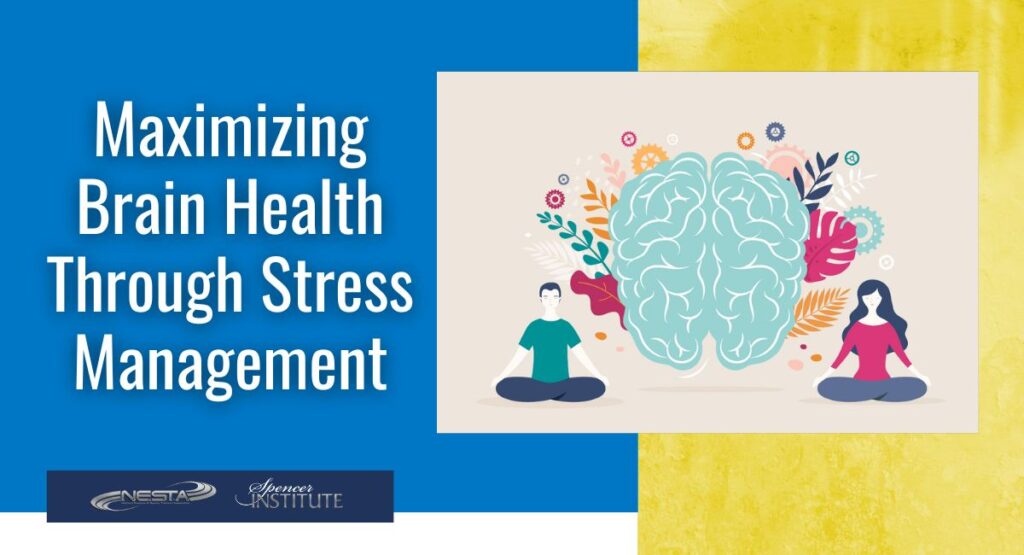
Chronic stress can have a detrimental effect on brain health, leading to issues like memory problems and anxiety. Practicing stress management techniques such as meditation, deep breathing, or yoga can help reduce cortisol levels and promote mental well-being. These practices not only calm the mind but also improve focus and emotional resilience.
7. Stay Hydrated

Proper hydration is often overlooked but plays a vital role in brain function. Dehydration can lead to fatigue, confusion, and impaired concentration. Aim to drink plenty of water throughout the day, especially during physical activity or in hot weather. Some studies suggest that even mild dehydration can negatively affect cognitive performance, so staying hydrated is an easy yet effective way to support brain health.
8. Incorporate Gut-Brain Connection Practices

Recent research has highlighted the strong connection between gut health and brain function. The gut microbiome, often referred to as the "second brain," influences mood, cognition, and even behavior. Consuming probiotic-rich foods like yogurt, kefir, and fermented vegetables can promote a healthy gut microbiome, which in turn supports brain health. Additionally, a balanced diet that includes fiber and prebiotics helps maintain a diverse and thriving gut ecosystem.
9. Limit Processed Foods
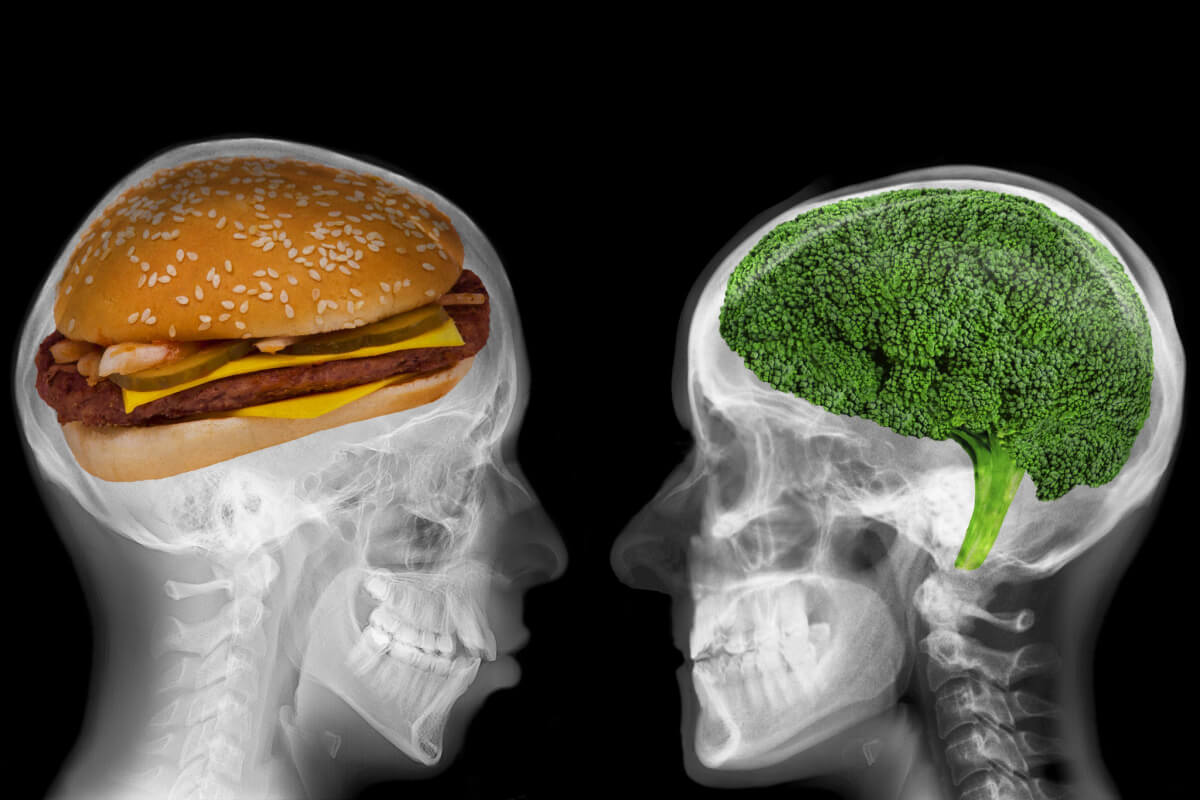
Processed foods, which are often high in sugar, salt, and unhealthy fats, can negatively impact brain health. Research indicates that a diet high in ultra-processed foods may increase the risk of cognitive decline and neurological disorders. By choosing whole, unprocessed foods, you can better support your brain’s long-term health and reduce the risk of inflammation and other harmful effects.
10. Practice Mindfulness and Meditation

Mindfulness and meditation have been shown to enhance brain function by improving attention, emotional regulation, and overall mental clarity. These practices help reduce stress, increase self-awareness, and promote a sense of well-being. Even a few minutes of daily meditation can have a significant impact on cognitive performance and mental resilience.
Conclusion
Boosting organic brain performance naturally is entirely achievable through a combination of healthy habits and lifestyle choices. From prioritizing cardiovascular health and ensuring quality sleep to engaging in social activities and managing stress, there are numerous science-backed strategies that can enhance cognitive function. By making these changes, you can support your brain’s long-term health and enjoy improved mental clarity, focus, and overall well-being. Remember, small, consistent efforts can lead to significant results over time. Start today and take control of your brain health in a natural and sustainable way.

Post a Comment for "10 Science-Backed Ways to Boost Organic Brain Performance Naturally"
Post a Comment