10 Natural Ways to Optimize Brain Function and Improve Cognitive Health
Your brain is one of the most complex and powerful organs in your body, responsible for everything from your thoughts and emotions to your physical movements. Maintaining its health is essential for a vibrant, productive life. While modern medicine offers valuable tools, there are also numerous natural ways to optimize brain function and enhance cognitive health. Whether you're looking to boost memory, improve focus, or simply keep your mind sharp, this article will guide you through practical, science-backed strategies that you can incorporate into your daily routine.
1. Embrace Nutrient-Dense Foods

The food you eat has a direct impact on your brain's performance. Certain nutrients are particularly beneficial for cognitive health. Omega-3 fatty acids, found in fatty fish like salmon and sardines, are crucial for brain cell structure and function. Leafy greens such as spinach and kale provide folate and antioxidants that protect against cognitive decline. Blueberries, often called “brain berries,” contain flavonoids that improve signaling in brain pathways. Turmeric, with its active compound curcumin, fights inflammation directly within brain tissues. Eggs are another excellent source of choline, which is essential for neurotransmitter production and memory function.
Key Tip: Aim to include a variety of these foods in your diet to create a strong nutritional foundation for brain health.
2. Incorporate Brain-Boosting Herbs

Herbal remedies have been used for centuries to support cognitive function and mental clarity. Bacopa monnieri, a staple in Ayurvedic medicine, is known to enhance memory and reduce oxidative stress. Ginkgo biloba improves blood flow to the brain, potentially supporting memory and cognitive speed. Ashwagandha, an adaptogen, helps balance cortisol levels and protect neurons from stress-related damage. Gotu kola supports neurogenesis and emotional stability, while rhodiola rosea enhances mental stamina and resilience under stress.
Important Note: Always choose high-quality, organic herbs and consult a healthcare provider before starting any new supplement regimen.
3. Prioritize Quality Sleep

Sleep is when your brain does its most critical work—clearing waste, repairing tissue, and consolidating learning. Lack of sleep can impair cognitive functions, including memory, attention, and decision-making. To support healthy sleep, maintain a consistent bedtime routine, avoid screens before bed, and create a dark, quiet sleeping environment. If you struggle with sleep, consider relaxation techniques like meditation or deep breathing exercises.
Pro Tip: Aim for 7–9 hours of quality sleep each night to allow your brain to fully recover and function at its best.
4. Practice Mindful Movement

Physical activity is not only good for your body but also for your brain. Activities like yoga, tai chi, and gentle hiking combine movement with mental calmness, promoting neuroplasticity and emotional balance. Exercise increases blood flow to the brain, stimulates the growth of new neurons, and reduces the risk of cognitive decline. Even short bursts of activity, such as a 10-minute walk, can have a positive impact on mental clarity and mood.
Quick Tip: Try to incorporate at least 30 minutes of physical activity into your daily routine to support both physical and cognitive health.
5. Connect with Nature

Spending time in nature has a profound effect on brain health. Exposure to natural environments reduces stress, improves mood, and enhances cognitive function. Practices like forest bathing (shinrin-yoku) and grounding (walking barefoot on grass or sand) help regulate the nervous system and promote mental well-being. Even a short walk in a park can provide a mental reset and boost creativity.
Action Step: Make it a habit to spend at least 15–30 minutes outdoors each day to reap the cognitive benefits of nature.
6. Reduce Screen Time

In today’s digital age, constant screen exposure can overstimulate the brain and lead to mental fatigue. Reducing screen time allows your brain to rest and recalibrate. Set specific times during the day to disconnect from electronic devices, and use apps that limit social media usage. Engage in activities that don’t involve screens, such as reading, journaling, or spending time with loved ones.
Smart Strategy: Implement a digital detox period each day, such as an hour before bedtime, to give your brain a break from constant input.
7. Stay Hydrated

Water is essential for every function in your body, including brain function. Dehydration can lead to brain fog, fatigue, and difficulty concentrating. Aim to drink at least 8 glasses of water per day, and increase your intake if you’re physically active or in a hot climate. Herbal teas and water-rich foods like cucumbers and watermelon can also contribute to hydration.
Simple Reminder: Keep a water bottle with you throughout the day to stay consistently hydrated and support optimal brain function.
8. Practice Stress-Reduction Techniques

Chronic stress can have a detrimental effect on the brain, leading to anxiety, depression, and cognitive decline. Techniques such as meditation, deep breathing, and mindfulness can help manage stress and promote mental clarity. These practices activate the parasympathetic nervous system, reducing cortisol levels and fostering a sense of calm.
Daily Habit: Dedicate 10 minutes each morning to a mindfulness practice to start your day with a clear and focused mind.
9. Engage in Lifelong Learning

Mental stimulation is key to maintaining cognitive health. Engaging in activities that challenge your brain, such as learning a new language, playing an instrument, or solving puzzles, can enhance neuroplasticity and protect against cognitive decline. Reading, writing, and even social interactions all contribute to keeping your brain active and engaged.
Encouragement: Embrace new challenges and hobbies that push your brain to grow and adapt.
10. Consider Natural Supplements
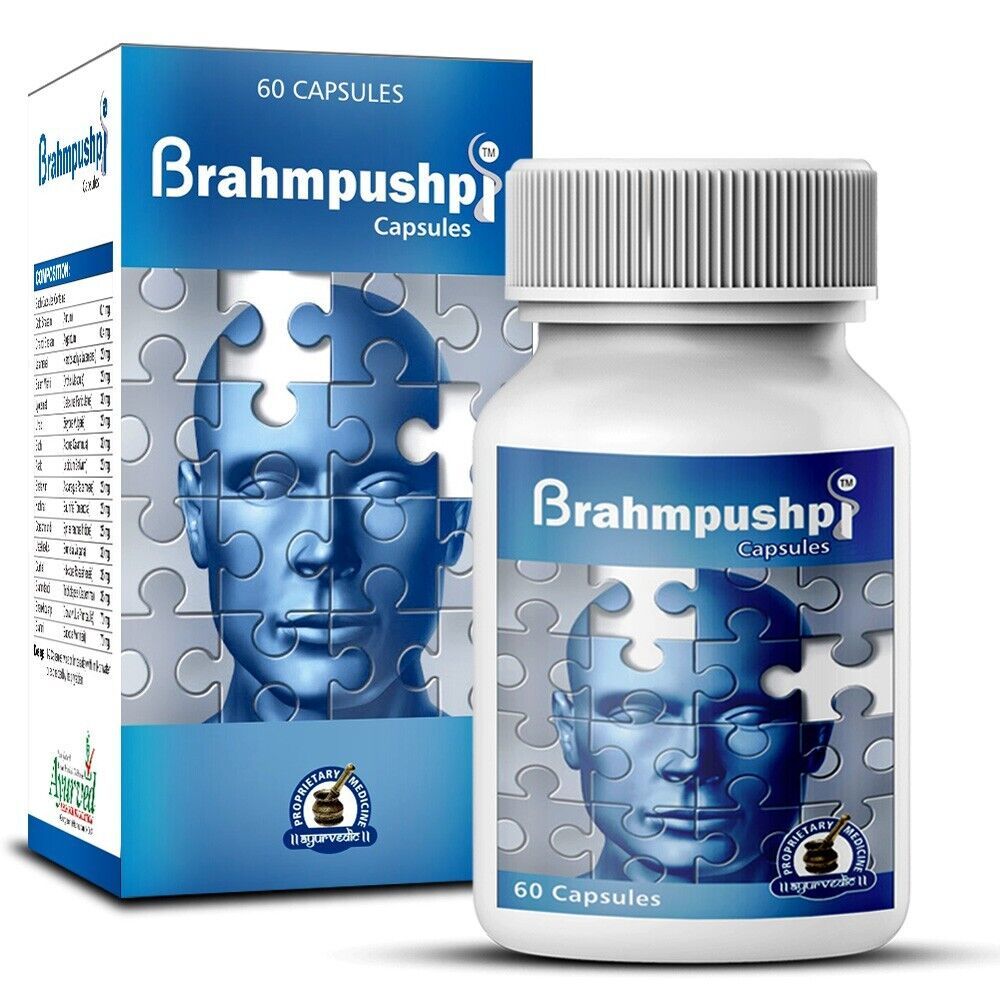
While a healthy lifestyle is the foundation of brain health, some individuals may find that natural supplements offer additional support. Compounds like phosphatidylserine, L-theanine, and lion’s mane mushroom have been studied for their potential to enhance cognitive flexibility, resilience to stress, and memory function. However, it’s important to consult a healthcare provider before starting any new supplement to ensure it’s safe and appropriate for your needs.
Caution: Supplements should complement, not replace, a balanced diet and healthy lifestyle.
Conclusion
Optimizing brain function naturally is a holistic approach that involves nourishing your body, engaging your mind, and connecting with the world around you. By incorporating these 10 strategies into your daily life, you can support your cognitive health and enhance your overall well-being. Remember, the journey to a healthier brain is a gradual process that requires consistency and patience. With time and dedication, you’ll not only improve your mental clarity and focus but also deepen your connection to yourself and the natural world. Start small, stay committed, and watch your brain thrive.

Post a Comment for "10 Natural Ways to Optimize Brain Function and Improve Cognitive Health"
Post a Comment