10 Daily Tips to Optimize Your Brain Function
In a world filled with constant distractions, mental fatigue, and information overload, maintaining optimal brain function has never been more important. Whether you're juggling work, family, or personal goals, your brain needs consistent care to stay sharp, focused, and resilient. The good news is that small, daily habits can make a big difference in cognitive performance. This article explores 10 science-backed strategies to help you boost your brain function and reduce mental fog.

1. Prioritize Quality Sleep

Sleep is one of the most critical factors in brain health. During sleep, your brain clears out toxins, consolidates memories, and repairs neural connections. Aim for 7–9 hours of sleep each night, and try to maintain a consistent sleep schedule by going to bed and waking up at the same time every day.
To improve sleep quality, create a calming bedtime routine: dim the lights an hour before bed, avoid screens, and engage in relaxing activities like reading or meditation. A cool, dark, and quiet bedroom also supports deeper rest. By prioritizing sleep, you'll wake up feeling refreshed and mentally alert.
2. Eat a Brain-Boosting Diet

What you eat directly impacts how your brain functions. A diet rich in antioxidants, omega-3 fatty acids, and essential nutrients supports cognitive performance and reduces brain fog. Focus on whole foods like fruits, vegetables, lean proteins, and whole grains. Incorporate brain-boosting foods such as berries, spinach, walnuts, and fatty fish like salmon.
Additionally, managing blood sugar levels is crucial for mental clarity. Choose complex carbohydrates and fiber-rich foods to prevent energy crashes. Pairing meals with protein helps stabilize blood sugar and sustain focus throughout the day.
3. Stay Hydrated

Water is essential for optimal brain function. Dehydration can lead to fatigue, poor concentration, and mood swings. Aim to drink at least eight glasses of water daily, and consider adding natural flavors like lemon or cucumber to make it more enjoyable.
Carrying a reusable water bottle with you can serve as a reminder to stay hydrated. Avoid sugary drinks and excessive caffeine, which can cause energy crashes and impair cognitive function. Staying properly hydrated supports your brain’s ability to process information efficiently.
4. Engage in Regular Physical Activity

Exercise isn’t just good for your body—it’s also a powerful tool for improving brain function. Physical activity increases blood flow to the brain, enhances memory, and boosts mood. Even 20–30 minutes of movement each day can make a significant difference.
Aerobic exercises like walking, jogging, or cycling are excellent for cognitive health. Strength training and high-intensity interval training (HIIT) also offer benefits by improving metabolic health and reducing stress. Incorporating short, active breaks into your day—like stretching or a quick walk—can help refresh your mind and keep you focused.
5. Practice Mindfulness and Meditation

Mindfulness and meditation are proven techniques for reducing stress and enhancing mental clarity. These practices help calm the mind, improve focus, and increase emotional resilience. Start with just 5–10 minutes of daily meditation, focusing on your breath or a simple mantra.
Deep breathing exercises can also be beneficial, especially during stressful moments. Mindful journaling—writing down thoughts and goals—helps declutter your mind and promote a sense of clarity. Over time, these practices can significantly reduce brain fog and support long-term cognitive health.
6. Limit Digital Overload

Excessive screen time can contribute to mental fatigue and reduced focus. Try to limit your exposure to digital devices, especially before bed. Use blue light filters or take regular breaks from screens to give your brain a chance to rest.
Creating tech-free zones, such as your bedroom or workspace, can help minimize distractions and improve concentration. Additionally, scheduling dedicated work sessions with planned breaks can enhance productivity and reduce mental clutter.
7. Stimulate Your Brain with New Activities
Challenging your brain through new experiences keeps it sharp and adaptable. Engage in activities like reading, solving puzzles, learning a new skill, or exploring creative hobbies. These tasks stimulate different areas of the brain and enhance cognitive flexibility.
Social interaction also plays a role in brain health. Participating in meaningful conversations, joining clubs, or attending workshops can provide mental stimulation and emotional support. Keeping your brain engaged through learning and social connection fosters long-term cognitive resilience.
8. Organize and Declutter Your Environment
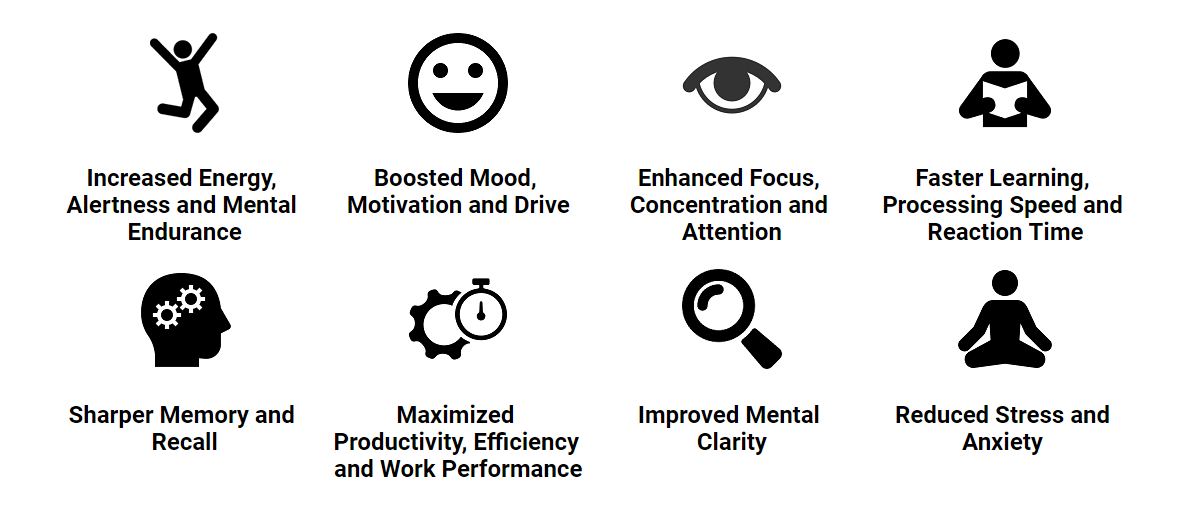
A cluttered environment can lead to a cluttered mind. Taking time to organize your workspace and living areas reduces distractions and promotes mental clarity. Create designated zones for work, relaxation, and sleep to improve focus and efficiency.
Minimalist approaches and regular decluttering help reduce visual overload and create a more peaceful atmosphere. An organized space not only enhances productivity but also lowers stress and supports better mental performance.
9. Take Regular Breaks

Taking short, frequent breaks throughout the day prevents mental fatigue and maintains focus. Techniques like the Pomodoro method—working in 25-minute intervals followed by 5-minute breaks—can help you stay productive without burning out.
Use breaks to stretch, take a walk, or practice deep breathing. Changing your scenery or engaging in light physical activity can rejuvenate your mind and improve cognitive performance. Consistent breaks are essential for sustaining mental clarity and energy.
10. Cultivate a Positive Mindset

A positive mindset is a powerful contributor to mental clarity. Practicing gratitude, setting intentions, and using affirmations can shift your focus toward positivity and resilience.
Studies show that optimism and mindfulness reduce stress and improve overall well-being. Embracing challenges as opportunities for growth and surrounding yourself with supportive communities can further enhance mental strength. A positive outlook not only reduces brain fog but also supports long-term cognitive health.
Conclusion
Optimizing your brain function doesn’t require drastic changes—it starts with small, consistent habits. By prioritizing quality sleep, adopting a nutrient-rich diet, staying hydrated, exercising regularly, practicing mindfulness, limiting digital overload, stimulating your brain, organizing your environment, taking breaks, and cultivating a positive mindset, you can achieve a sharper, more focused mind.
These daily tips are backed by science and designed to support long-term cognitive health. Start integrating them into your routine today and experience the benefits of a clearer, more resilient brain. With commitment and consistency, you’ll unlock your full mental potential and enjoy improved focus, productivity, and overall well-being.

Post a Comment for "10 Daily Tips to Optimize Your Brain Function"
Post a Comment