Understanding Self-Regulation of the Nervous System: Techniques and Benefits
In today’s fast-paced world, many of us find ourselves caught in a cycle of stress, anxiety, and burnout. Our nervous systems, which are designed to help us survive threats, often become overactive due to modern life's constant demands. This can lead to a condition known as a dysregulated nervous system—a state where our body is stuck in "fight or flight" mode, making it difficult to feel calm, focused, or at ease. However, there is hope. By understanding how our nervous system works and learning techniques to regulate it, we can reclaim our sense of balance and well-being.
This article will explore the concept of self-regulation of the nervous system, explain how it works, and provide practical strategies to help you achieve a more balanced and resilient nervous system. Whether you're dealing with chronic stress, anxiety, or simply looking to improve your overall health, these insights can be transformative.
What Is the Nervous System?
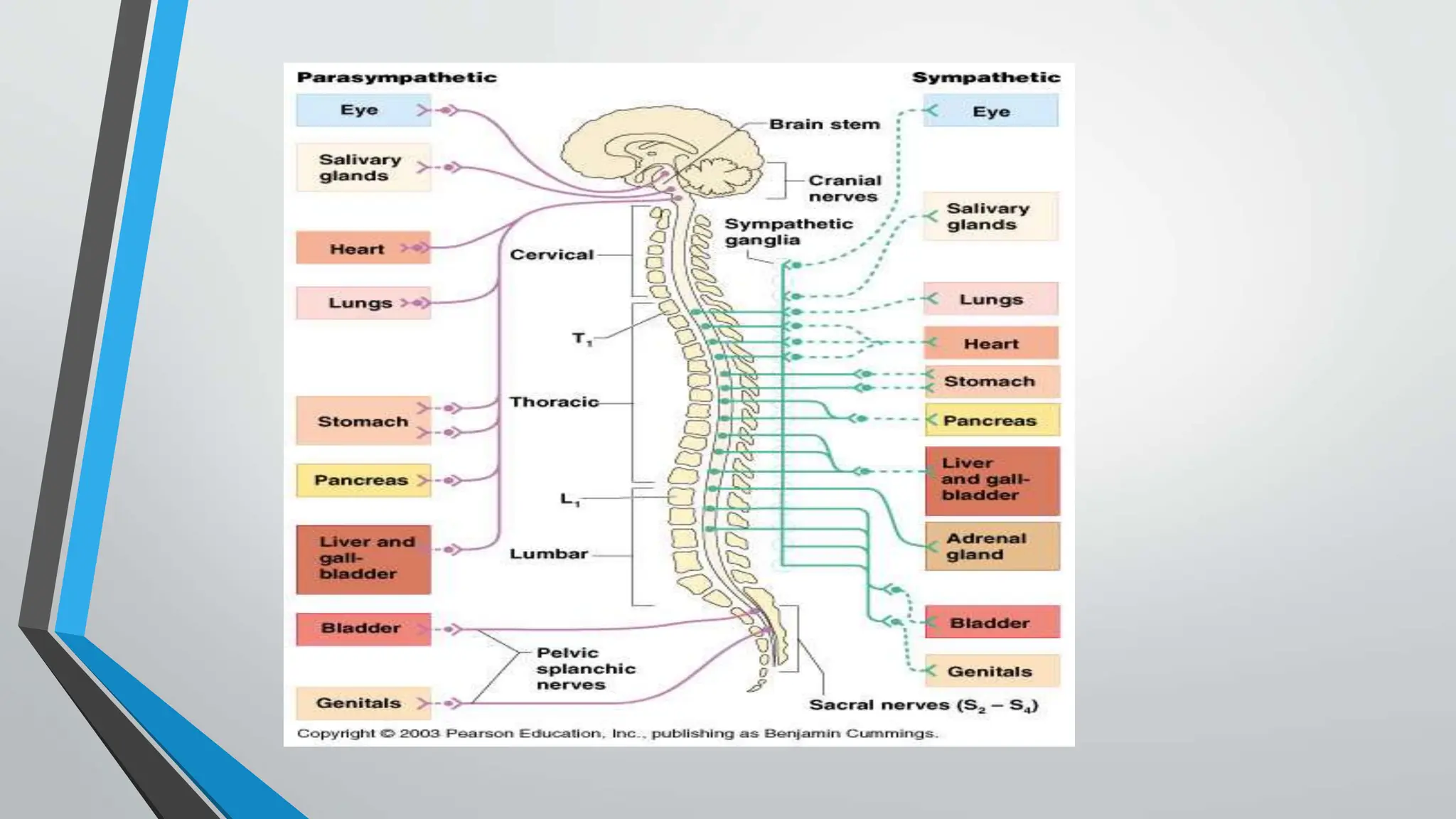
The nervous system is a complex network that controls all bodily functions, from movement and sensation to thought and emotion. It consists of two main parts: the central nervous system (CNS), which includes the brain and spinal cord, and the peripheral nervous system (PNS), which connects the CNS to the rest of the body through nerves. The nervous system also includes the autonomic nervous system (ANS), which regulates involuntary functions such as heart rate, digestion, and breathing.
The ANS has two primary branches: the sympathetic nervous system (SNS) and the parasympathetic nervous system (PNS). The SNS is responsible for the "fight or flight" response, preparing the body to react to perceived threats. In contrast, the PNS promotes relaxation, digestion, and recovery. A healthy nervous system requires a balance between these two systems, but when the SNS is constantly activated, it can lead to chronic stress and a range of physical and emotional symptoms.
What Is Self-Regulation of the Nervous System?
Self-regulation of the nervous system refers to the ability to manage and balance the activity of the sympathetic and parasympathetic nervous systems. When we are able to regulate our nervous system effectively, we can move between states of alertness and relaxation, responding to stressors without becoming overwhelmed. This process involves recognizing when the body is in a stressed state and using specific techniques to return to a calmer, more regulated state.
Self-regulation is not about eliminating stress entirely—it's about developing tools and practices that allow us to navigate stress in a way that supports our well-being. This can involve physical activities, mindfulness practices, environmental adjustments, and even lifestyle changes that promote a more balanced nervous system.
Why Is Self-Regulation Important?
A dysregulated nervous system can have far-reaching effects on both physical and mental health. Chronic activation of the SNS can lead to:
- Anxiety and panic attacks
- Insomnia and poor sleep quality
- Digestive issues and weakened immunity
- Fatigue and low energy
- Difficulty concentrating and memory problems
On the other hand, when the PNS is activated regularly, it helps the body recover, repair, and maintain homeostasis. This leads to improved mood, better focus, and a greater sense of well-being. By practicing self-regulation, we can reduce the negative impacts of stress and create a more resilient nervous system.
Techniques for Self-Regulation of the Nervous System
There are numerous techniques that can help you regulate your nervous system. Here are some of the most effective and widely practiced methods:
1. Breathing Practices
Deep, slow breathing is one of the quickest ways to activate the parasympathetic nervous system. Techniques like diaphragmatic breathing, box breathing, and 4-7-8 breathing can help calm the body and reduce stress. For example, the 4-7-8 technique involves inhaling for 4 seconds, holding the breath for 7 seconds, and exhaling for 8 seconds. This pattern helps signal the body to relax.
2. Mindfulness and Meditation
Mindfulness practices, such as meditation and body scans, help increase awareness of the present moment and reduce the tendency to ruminate on past or future events. These practices can lower cortisol levels, improve emotional regulation, and enhance overall well-being. Even just a few minutes of daily meditation can make a significant difference.
3. Physical Activity
Gentle, low-impact exercise like yoga, tai chi, and walking can help release built-up tension and stimulate the parasympathetic nervous system. Exercise also increases endorphin production, which can improve mood and reduce stress. Aim for at least 30 minutes of moderate activity most days of the week.
4. Sensory Regulation
Engaging the senses can be a powerful tool for regulating the nervous system. Activities like listening to calming music, using aromatherapy, or spending time in nature can help shift the body into a relaxed state. Grounding techniques, such as walking barefoot on grass or sand, can also be beneficial.
5. Sleep Hygiene
Quality sleep is essential for nervous system regulation. Establishing a consistent sleep routine, avoiding screens before bed, and creating a comfortable sleep environment can improve sleep quality. Aim for 7–9 hours of sleep each night to support overall health.
Real-Life Examples of Self-Regulation
Many people have successfully integrated self-regulation practices into their daily lives. For instance, someone who struggles with anxiety might use breathing exercises before a stressful meeting or practice mindfulness during a busy workday. Others may incorporate regular walks in nature or spend time with pets to help calm their nervous system.
One individual shared how moving to a slower-paced environment helped them regain control over their stress levels. By adjusting their surroundings and focusing on self-care, they were able to reduce the constant activation of their sympathetic nervous system and experience greater peace and clarity.
The Role of Environment and Lifestyle
Our environment plays a significant role in how our nervous system functions. Factors like noise, light, and social interactions can either support or disrupt our ability to regulate. Creating a space that promotes relaxation—such as a quiet room, a well-lit area, or a place free from distractions—can make a big difference.
Lifestyle choices also impact nervous system health. Eating a balanced diet, staying hydrated, and limiting stimulants like caffeine and alcohol can help maintain a more stable nervous system. Additionally, building supportive relationships and setting healthy boundaries can reduce stress and promote emotional resilience.
Conclusion
Self-regulation of the nervous system is a powerful tool for improving overall well-being. By understanding how the nervous system works and learning practical techniques to manage it, we can reduce stress, enhance focus, and live more balanced lives. Whether through breathing practices, mindfulness, physical activity, or environmental adjustments, there are countless ways to support a healthier nervous system.
Remember, self-regulation is a journey, not a destination. It takes time, patience, and consistency to develop new habits and build resilience. But with the right tools and mindset, it's possible to create a more harmonious relationship with your nervous system and enjoy a greater sense of peace and vitality.
Start small, be kind to yourself, and celebrate every step forward. Your nervous system—and your overall health—will thank you.

Post a Comment for "Understanding Self-Regulation of the Nervous System: Techniques and Benefits"
Post a Comment