Heart Health: Understanding Cholesterol and Its Impact
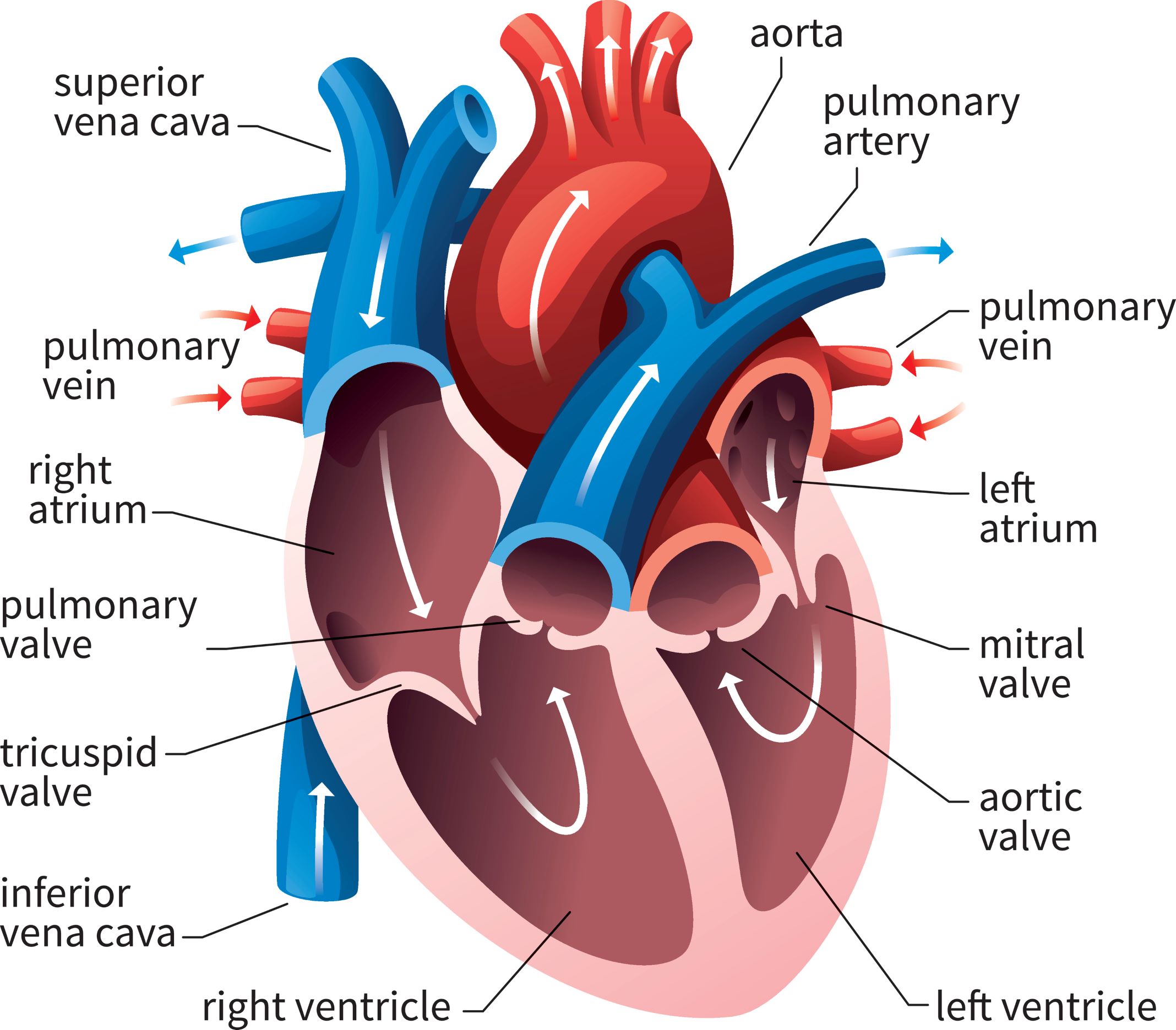
Decoding Your Heart: A Guide to Understanding Cholesterol
Hey there, health-conscious friends! Ever felt like you're bombarded with information about cholesterol but still scratching your head about what it allreallymeans? You're not alone! It's like trying to understand a complicated recipe when all you have is a list of ingredients. Today, we're going to break down cholesterol, its impact on your heart, and what you can actuallydoabout it. Get ready to demystify those numbers and take control of your heart health!
Imagine cholesterol as this waxy substance that's essential for building cells, but like that one friend who's great in small doses but overwhelming in large quantities, too much of it can cause problems. It's naturally produced by your liver, and you also get it from certain foods. So far, so good, right? But here's the catch: cholesterol doesn't travel through your blood on its own. It needs escorts, tiny packages called lipoproteins. Think of them as little delivery trucks carrying cholesterol to and from your cells.
Now, these delivery trucks come in different forms, the most famous (or infamous) being LDL (low-density lipoprotein) and HDL (high-density lipoprotein). LDL is often dubbed "bad" cholesterol because it can contribute to plaque buildup in your arteries, like rust accumulating in pipes. HDL, on the other hand, is considered "good" cholesterol because it helps remove LDL from your arteries, acting like a cleanup crew.
Why should you care? Well, that plaque buildup we mentioned? It's called atherosclerosis, and it's a major player in heart disease. Imagine your arteries as highways. Over time, plaque accumulates, narrowing the highways and making it harder for blood to flow through. This can lead to chest pain (angina), heart attack, stroke, and other serious cardiovascular problems. It's like a traffic jam in your heart's highway system!
But before you start panicking and swearing off all delicious food, let's be clear: not all cholesterol is bad, and lifestyle changes can make ahugedifference. We're talking about things like diet, exercise, and managing stress. It's not about deprivation; it's about making informed choices that support your heart health. Think of it as investing in your long-term well-being.
So, are you curious to learn more about how to optimize your cholesterol levels and protect your heart? Keep reading, because we're about to dive deep into the world of cholesterol, separating fact from fiction and giving you the tools you need to make smart decisions. Let's get started!
Understanding the Cholesterol Landscape
Let’s dive deeper into the nitty-gritty of cholesterol, going beyond the basic “good” and “bad” labels. It’s a complex world, but understanding the details can empower you to make better choices for your heart.
• Deciphering Your Lipid Panel
Your lipid panel is like a report card for your cholesterol levels. It usually includes:
- Total Cholesterol: This is the sum of all the cholesterol in your blood. While it's a starting point, it doesn't tell the whole story. A generally desirable level is less than 200 mg/d L.
- LDL Cholesterol: As we discussed, this is the "bad" cholesterol. Lower is generally better. Optimal levels are usually below 100 mg/d L, but your doctor may recommend even lower levels depending on your individual risk factors.
- HDL Cholesterol: This is the "good" cholesterol. Higher is better. Aim for levels above 60 mg/d L for optimal protection. Levels below 40 mg/d L are considered a risk factor for heart disease.
- Triglycerides: These are another type of fat in your blood. High levels can contribute to heart disease, especially in combination with high LDL and low HDL. Desirable levels are usually below 150 mg/d L.
Understanding these numbers is the first step to taking control. Don’t just glance at them; discuss them with your doctor. Ask questions. Understand what those numbersmeanfor you specifically.
• The Role of Genetics
Sometimes, despite our best efforts with diet and exercise, our cholesterol levels remain stubbornly high. This could be due to genetics. Familial hypercholesterolemia (FH) is a genetic condition that causes very high LDL cholesterol levels from birth. If you have a family history of early heart disease or high cholesterol, talk to your doctor about getting tested for FH. Early diagnosis and treatment are crucial for managing this condition.
• Dietary Cholesterol vs. Blood Cholesterol
For years, we were told to avoid dietary cholesterol like the plague. Eggs, shrimp, and other cholesterol-rich foods were demonized. However, current research shows that dietary cholesterol has less of an impact on blood cholesterol levels than previously thought. Saturated and trans fats are the bigger culprits. That doesn’t mean you should eat unlimited amounts of cholesterol-rich foods, but it does mean you can relax a little about that egg yolk.
• Beyond the Numbers: Focusing on Particle Size
Emerging research suggests that thesizeof LDL particles may be just as important as theamountof LDL. Small, dense LDL particles are thought to be more atherogenic (plaque-forming) than large, buoyant LDL particles. Some advanced lipid tests can measure LDL particle size. This information can help your doctor tailor your treatment plan even more precisely.
Strategies for a Healthier Heart
Now that we've explored the complexities of cholesterol, let's talk about what you candoto improve your heart health.
• Embrace a Heart-Healthy Diet
This is probably the most impactful change you can make. Focus on:
- Plenty of fruits and vegetables: Aim for at least five servings a day. Think colorful – berries, leafy greens, peppers, and more!
- Whole grains: Choose whole wheat bread, brown rice, quinoa, and oats over refined grains.
- Lean protein: Opt for fish, poultry (skinless), beans, lentils, and tofu.
- Healthy fats: Include sources of monounsaturated and polyunsaturated fats like olive oil, avocados, nuts, and seeds.
- Limit saturated and trans fats: These are found in red meat, processed foods, fried foods, and some dairy products. Read labels carefully!
Small changes can add up. Try swapping sugary drinks for water, choosing baked instead of fried foods, and adding more plant-based meals to your diet.
• Get Moving!
Exercise is a powerful tool for lowering LDL and raising HDL. Aim for at least 150 minutes of moderate-intensity aerobic exercise or 75 minutes of vigorous-intensity aerobic exercise per week. That could be brisk walking, jogging, swimming, cycling, or anything that gets your heart pumping. Even small bursts of activity throughout the day can make a difference. Take the stairs instead of the elevator, walk during your lunch break, or do some jumping jacks during commercials.
• Manage Your Weight
Being overweight or obese can increase your LDL and triglycerides while lowering your HDL. Losing even a small amount of weight can have a significant impact on your cholesterol levels and overall heart health. Focus on sustainable lifestyle changes rather than fad diets.
• Quit Smoking
Smoking damages your blood vessels, increases LDL, and lowers HDL. Quitting smoking is one of the best things you can do for your heart. If you need help quitting, talk to your doctor about resources and support.
• Manage Stress
Chronic stress can contribute to high cholesterol and other heart disease risk factors. Find healthy ways to manage stress, such as yoga, meditation, spending time in nature, or pursuing hobbies you enjoy.
• Consider Medication (If Necessary)
Sometimes, lifestyle changes aren't enough to lower cholesterol to desired levels. In these cases, your doctor may recommend medication. Statins are the most common type of cholesterol-lowering medication. They work by blocking an enzyme in the liver that produces cholesterol. Other medications include cholesterol absorption inhibitors and bile acid sequestrants. It's crucial to have an open and honest conversation with your doctor about the risks and benefits of medication.
Real-World Examples: Cholesterol in Action
Let's look at a few hypothetical scenarios to illustrate how these principles apply in real life.
Case Study 1: Maria, the Busy Professional
Maria is a 40-year-old executive who works long hours and often grabs takeout for dinner. Her lipid panel reveals high LDL and low HDL. Maria's doctor recommends starting with lifestyle changes. Maria begins packing healthy lunches, incorporating more exercise into her routine (walking during lunch breaks and taking the stairs), and limiting her takeout meals to once a week. After three months, her LDL has decreased, and her HDL has increased. She feels more energetic and less stressed.
Case Study 2: David, the Fitness Enthusiast with FH
David is a 55-year-old avid runner who eats a healthy diet. However, his LDL remains stubbornly high despite his efforts. After further testing, he's diagnosed with familial hypercholesterolemia (FH). David's doctor prescribes a statin medication to lower his LDL. He continues his healthy lifestyle habits and regularly monitors his cholesterol levels.
Case Study 3: Sarah, the Newly Diagnosed with Type 2 Diabetes
Sarah is a 60-year-old who was recently diagnosed with type 2 diabetes. Her lipid panel shows high triglycerides and low HDL. Her doctor recommends a combination of lifestyle changes and medication to manage her blood sugar and cholesterol levels. Sarah works with a registered dietitian to develop a diabetes-friendly meal plan and starts walking for 30 minutes most days of the week. She also takes medication to lower her triglycerides.
Current Trends and Future Predictions
The field of cholesterol management is constantly evolving. Here are some current trends and future predictions:
- Increased focus on personalized medicine: As we learn more about the genetic and lifestyle factors that influence cholesterol levels, treatments will become more personalized.
- New medications and therapies: Researchers are developing new medications and therapies to lower cholesterol, including PCSK9 inhibitors and RNA-based therapies.
- Emphasis on prevention: The focus is shifting from treating heart disease to preventing it in the first place through lifestyle changes and early detection.
- Greater awareness of the role of inflammation: Inflammation plays a key role in the development of atherosclerosis. Researchers are exploring ways to reduce inflammation to protect the heart.
Expert Perspectives
We reached out to Dr. Emily Carter, a leading cardiologist, for her insights on cholesterol management. "The most important thing is to have an open and honest conversation with your doctor about your risk factors and treatment options," she advises. "Lifestyle changes are the foundation of heart health, but medication may be necessary for some individuals. Don't be afraid to ask questions and advocate for your own health."
She also stressed the importance of regular checkups. "Even if you feel healthy, it's important to get your cholesterol checked regularly, especially if you have a family history of heart disease. Early detection and treatment can significantly reduce your risk of heart attack and stroke."
Common Questions About Cholesterol
Here are some frequently asked questions about cholesterol:
Q: What is the difference between saturated and unsaturated fats?
A: Saturated fats are typically solid at room temperature and are found in red meat, butter, and cheese. Unsaturated fats are typically liquid at room temperature and are found in olive oil, avocados, and nuts. Unsaturated fats are generally considered healthier than saturated fats.
Q: Can I lower my cholesterol naturally without medication?
A: Yes, lifestyle changes such as diet, exercise, and weight management can often lower cholesterol levels significantly. However, some individuals may still require medication to reach their target cholesterol levels.
Q: How often should I get my cholesterol checked?
A: The frequency of cholesterol checks depends on your age, risk factors, and family history. Generally, adults should get their cholesterol checked every 4-6 years. However, your doctor may recommend more frequent checks if you have risk factors for heart disease.
Q: Are there any foods that can lower cholesterol?
A: Yes, certain foods can help lower cholesterol, including oats, barley, apples, pears, citrus fruits, beans, lentils, nuts, seeds, and fatty fish (like salmon and tuna).
Remember, friends, understanding cholesterol is a journey, not a destination. It's about making informed choices, staying proactive about your health, and working closely with your doctor.
Taking Charge of Your Heart Health Today
Well, friends, we've covered a lot of ground today! From understanding the difference between LDL and HDL to exploring lifestyle changes and medication options, you're now equipped with the knowledge to take control of your heart health. The key takeaway is this: cholesterol isn't just a number on a lab report; it's a crucial factor in your overall well-being.
Now, it's time for action! I encourage you to schedule a check-up with your doctor to discuss your cholesterol levels and develop a personalized plan. Whether it's adopting a heart-healthy diet, incorporating regular exercise into your routine, or considering medication, taking that first step is crucial. Your heart will thank you for it!
Remember, small changes can lead to big results. Start with one or two changes this week, whether it's swapping sugary drinks for water, taking the stairs instead of the elevator, or adding more fruits and vegetables to your plate. Every little bit counts.
So, are you ready to start your journey to a healthier heart? I believe in you! You've got the knowledge, the resources, and the motivation to make positive changes. What are you waiting for?

Post a Comment for "Heart Health: Understanding Cholesterol and Its Impact"
Post a Comment