Understanding AI Disease Prediction Models: How They Work and Their Impact on Healthcare
In the rapidly evolving landscape of healthcare, artificial intelligence (AI) is emerging as a powerful tool that could revolutionize how we detect, diagnose, and treat diseases. One of the most promising applications of AI is in disease prediction models, which use complex algorithms to analyze vast amounts of data and identify patterns that might be invisible to the human eye. These models are not only reshaping the way we think about health but also offering new hope for early detection and personalized treatment. In this article, we’ll explore how AI disease prediction models work, their real-world applications, and the challenges they face.

What Are AI Disease Prediction Models?
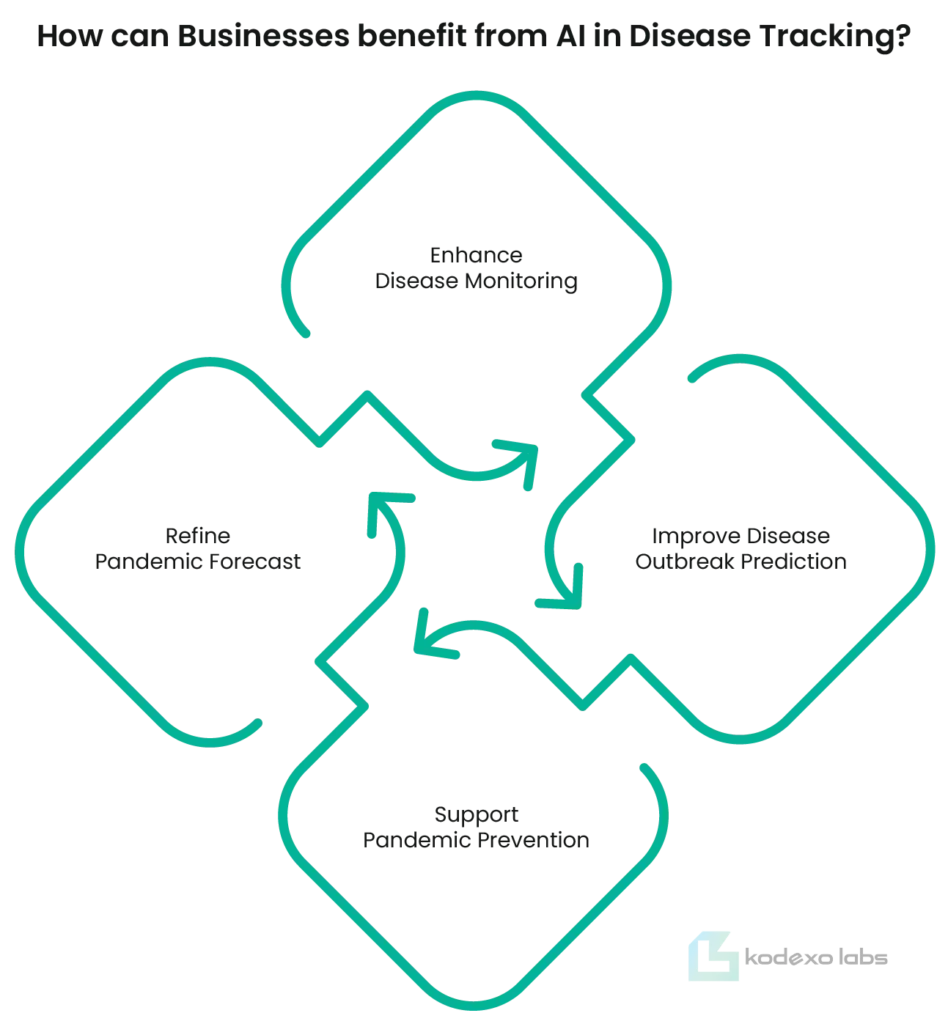
At their core, AI disease prediction models are computational systems designed to forecast the likelihood of an individual developing a specific illness based on a wide range of data inputs. These inputs can include genetic information, lifestyle factors, medical history, and even environmental influences. The models use machine learning (ML) techniques to analyze this data and identify correlations that may indicate a higher risk of disease.
For example, a model trained on data from thousands of patients might learn that individuals with certain genetic markers and lifestyle habits are more likely to develop heart disease. This information can then be used to create personalized risk assessments, allowing for earlier interventions and more targeted treatments.
How Do AI Models Predict Disease?

The process of building an AI disease prediction model typically involves several key steps:
- Data Collection: Gathering large datasets that include patient records, medical histories, and other relevant health information.
- Data Preprocessing: Cleaning and organizing the data to ensure it's accurate and usable for analysis.
- Feature Selection: Identifying which variables (features) are most relevant for predicting disease. This might involve selecting genetic markers, lab results, or lifestyle factors.
- Model Training: Using machine learning algorithms to train the model on the selected features. Common algorithms include random forests, support vector machines, and neural networks.
- Validation and Testing: Evaluating the model’s performance using a separate dataset to ensure it can accurately predict disease in new cases.
Throughout this process, the models continuously refine their predictions based on feedback and new data, making them increasingly accurate over time.
Real-World Applications of AI in Disease Prediction
AI disease prediction models are already making a significant impact in various areas of healthcare. Here are a few examples:
- Cancer Detection: AI models have been developed to analyze medical images such as X-rays and MRIs to detect early signs of cancer. These models can often identify tumors that may be missed by human radiologists.
- Cardiovascular Disease: By analyzing patient data, AI models can predict the risk of heart attacks and strokes, enabling doctors to recommend preventive measures.
- Diabetes Management: AI tools can monitor blood sugar levels and predict when a patient might experience a hypoglycemic episode, helping to manage diabetes more effectively.
These applications demonstrate the potential of AI to improve patient outcomes and reduce healthcare costs by enabling earlier and more accurate diagnoses.
Challenges and Limitations
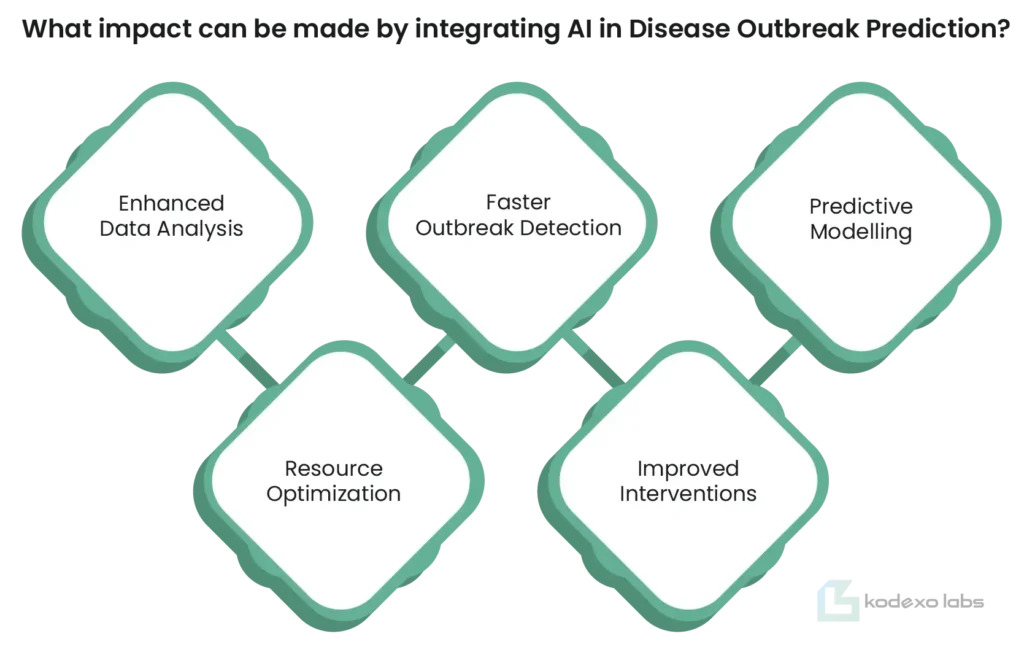
While AI disease prediction models offer exciting possibilities, they also come with several challenges and limitations:
- Data Quality: The accuracy of AI models depends heavily on the quality and quantity of data available. Incomplete or biased datasets can lead to inaccurate predictions.
- Interpretability: Many AI models, especially deep learning algorithms, are "black boxes," meaning it can be difficult to understand how they arrive at their predictions. This lack of transparency can be a barrier to adoption in clinical settings.
- Ethical Concerns: There are ethical questions around data privacy, consent, and the potential for bias in AI models. Ensuring fairness and accountability is crucial.
- Integration into Clinical Practice: Even if an AI model is accurate, integrating it into existing healthcare workflows can be complex and require significant changes in how care is delivered.
Addressing these challenges will be essential for realizing the full potential of AI in disease prediction.
The Future of AI in Healthcare
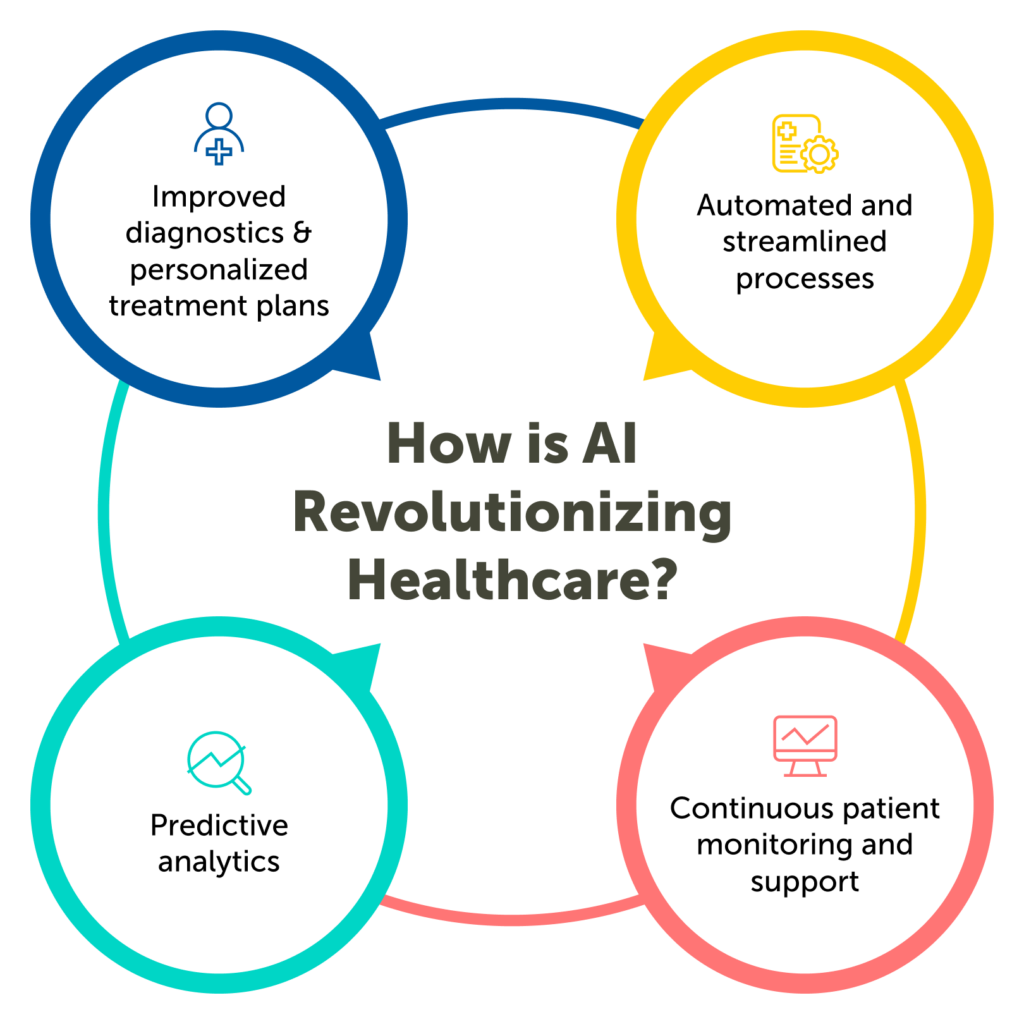
Despite these challenges, the future of AI in healthcare looks promising. As technology continues to advance, we can expect to see more sophisticated models that are better at interpreting complex data and providing actionable insights. Additionally, increased collaboration between AI developers, clinicians, and researchers will be key to ensuring that these models are both effective and ethically sound.
Moreover, as more data becomes available and computational power increases, AI models will become more accurate and capable of predicting a wider range of diseases. This could lead to a paradigm shift in how we approach healthcare, moving from reactive treatment to proactive prevention.
Conclusion
AI disease prediction models represent a transformative force in healthcare, offering the potential to revolutionize how we detect and manage diseases. By leveraging the power of machine learning, these models can identify patterns and risks that might otherwise go unnoticed, leading to earlier interventions and better outcomes for patients. While there are challenges to overcome, the continued development and refinement of these models hold great promise for the future of medicine. As we move forward, it's essential to prioritize transparency, ethical considerations, and collaboration to ensure that AI serves as a valuable tool in improving healthcare for all.
Post a Comment for "Understanding AI Disease Prediction Models: How They Work and Their Impact on Healthcare"
Post a Comment