How AI-Powered Personalized Wellness Plans Can Transform Your Health Journey
In today’s fast-paced world, maintaining a healthy lifestyle can feel overwhelming. With so many options for fitness, nutrition, and mental health, it's easy to feel lost in the noise. But what if you could have a wellness plan tailored specifically to your unique needs? That’s where AI-powered personalized wellness plans come in. These innovative tools use advanced algorithms to analyze your health data, preferences, and goals, creating a roadmap that’s as individual as you are. Whether you're looking to lose weight, improve your mental clarity, or simply feel more energized, AI can help you achieve your wellness objectives with precision and ease.
This article explores how AI is reshaping the wellness landscape, from personalized fitness routines to mental health support. We’ll delve into the technologies behind these innovations, share real-world examples, and provide actionable tips on how to leverage AI for your own health journey.

The Rise of AI in Wellness

Artificial intelligence (AI) has become a game-changer in the wellness industry, offering solutions that were once unimaginable. From smart wearables to virtual fitness trainers, AI is making it easier than ever to take control of your health. One of the most significant benefits of AI in wellness is its ability to deliver personalized recommendations based on your unique data.
For example, AI-powered health apps like Lumen and HealthifyMe analyze your metabolism, activity levels, and dietary habits to create customized plans. These apps don’t just offer generic advice—they adapt to your lifestyle, ensuring that your wellness strategy evolves with you. This level of personalization means you’re more likely to stick with your plan and see real results.
AI in Fitness: Tailored Workouts for Every Body
Fitness is no longer one-size-fits-all. AI-driven platforms are revolutionizing how we approach exercise by creating workouts that match your specific goals, abilities, and preferences. Virtual trainers like Freeletics and Aaptiv Coach use machine learning to adjust workout intensity and structure based on your progress, ensuring that you’re always challenged but never overwhelmed.
Wearable devices such as Fitbit and Apple Watch also play a crucial role in this transformation. These devices track your heart rate, sleep patterns, and activity levels, providing insights that help you optimize your training. For instance, if your heart rate is consistently high during workouts, the app might suggest adjusting your routine to prevent overtraining.
Real-time feedback is another key feature of AI-powered fitness tools. Apps like TrueClient and Motion-IQ analyze your form during exercises, helping you correct posture and reduce the risk of injury. This not only makes your workouts more effective but also safer.
AI in Mental Health: Support at Your Fingertips

Mental health is just as important as physical health, and AI is making it easier to manage stress, anxiety, and depression. AI-powered therapy apps like Woebot and Wysa use cognitive behavioral therapy (CBT) techniques to provide 24/7 support. These chatbots engage users in conversations that help them identify and challenge negative thought patterns, offering coping strategies and emotional support.
Virtual assistants like Tess by X2AI also contribute to mental well-being by analyzing users’ emotional states and offering personalized guidance. Whether you're feeling overwhelmed or struggling with sleep, these tools can provide the support you need, often without the stigma associated with traditional therapy.
The accessibility of AI in mental health care is a game-changer. It allows people to seek help whenever they need it, whether it’s late at night or during a busy workday. This convenience is especially valuable for those who may not have access to in-person therapy.
AI in Nutrition: Eating Smart, Not Just Healthy
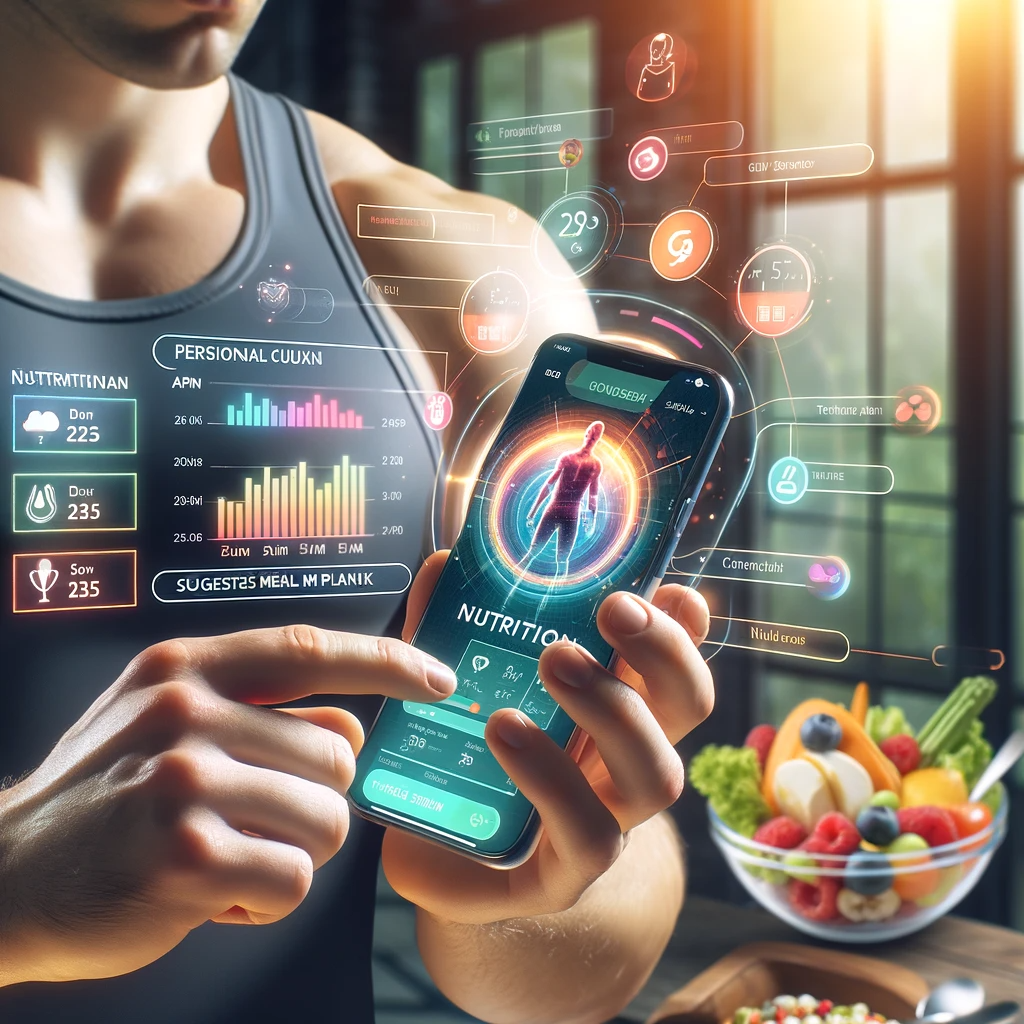
Nutrition is a cornerstone of wellness, and AI is helping individuals make smarter choices about what they eat. Platforms like NutriSense and Foodvisor use AI to analyze your dietary habits and health metrics, offering personalized meal plans that align with your goals.
For instance, NutriSense integrates continuous glucose monitoring (CGM) data to help users understand how different foods affect their blood sugar levels. This insight allows for more precise diet planning, which can be especially beneficial for individuals managing conditions like diabetes.
AI also simplifies food logging through apps like Lose It! and MyFitnessPal. These tools use machine learning to recognize food items and track calories, making it easier to monitor your intake. They also provide insights into portion control and macronutrient balance, helping you stay on track with your health goals.
AI in Sleep Optimization: Rest Like Never Before

Quality sleep is essential for overall health, and AI is helping us achieve it. Wearable devices like the Oura Ring and Fitbit Sense use AI to monitor sleep stages, heart rate variability, and temperature, providing insights that help users improve their rest.
Apps like SleepScore and Pzizz analyze sleep patterns and recommend strategies to enhance sleep quality. These tools can suggest optimal bedtime routines, environmental changes, and even relaxation techniques to help you fall asleep faster and wake up more refreshed.
By tracking and analyzing your sleep data, AI empowers you to make informed decisions about your bedtime habits. This can lead to better mental clarity, improved mood, and increased energy levels throughout the day.
AI in Preventive Health: Staying Ahead of the Curve

Preventive health is another area where AI is making a significant impact. AI-powered devices and apps can monitor vital signs and detect potential issues before they become serious. For example, the Apple Watch’s ECG feature uses AI to identify irregular heart rhythms, which can signal conditions like atrial fibrillation.
Apps like Omada Health and Livongo use AI to help individuals manage chronic conditions such as diabetes and hypertension. These tools track blood pressure, glucose levels, and weight, providing personalized insights and real-time interventions to prevent complications.
By leveraging AI for preventive health, individuals can take proactive steps to maintain their well-being. This early detection and intervention can lead to better long-term outcomes and reduce the burden on healthcare systems.
The Future of AI in Wellness

As AI continues to evolve, its role in wellness will only grow more transformative. Future AI systems may integrate all aspects of an individual’s health data—genomics, microbiome, nutrition, fitness, and mental health—into a unified wellness profile. This holistic approach will allow for even more personalized and predictive health insights.
AI-driven health assistants will become more prevalent, offering real-time coaching, tracking progress toward goals, and providing reminders for everything from hydration to stress management. Additionally, the integration of AI with virtual reality (VR) is opening new possibilities for immersive wellness experiences, such as virtual fitness training and guided meditation.
Conclusion
AI-powered personalized wellness plans are revolutionizing the way we approach health and well-being. By leveraging advanced algorithms and real-time data, these tools offer tailored solutions that cater to individual needs. From fitness and nutrition to mental health and sleep optimization, AI is making it easier than ever to take control of your health journey.
Whether you’re looking to improve your physical fitness, manage your mental well-being, or optimize your sleep, AI can help you achieve your goals with precision and ease. As technology continues to advance, the future of wellness looks brighter than ever. Embrace the power of AI and take the first step toward a healthier, more balanced life.
Post a Comment for "How AI-Powered Personalized Wellness Plans Can Transform Your Health Journey"
Post a Comment