How AI-Powered Personalized Health Plans Are Revolutionizing Modern Healthcare
In the rapidly evolving landscape of healthcare, one of the most transformative innovations is the rise of AI-powered personalized health plans. These cutting-edge solutions are reshaping how individuals manage their well-being, offering tailored strategies that consider unique genetic profiles, lifestyle choices, and medical histories. As artificial intelligence (AI) becomes more integrated into healthcare systems, it’s clear that these personalized approaches are not just a trend—they’re a fundamental shift in how we understand and deliver care.
This article explores how AI is enabling the creation of highly individualized health plans, the benefits they offer, and the challenges that come with this new era of healthcare. Whether you're a patient seeking better health outcomes or a healthcare professional looking to stay ahead of the curve, understanding the power of AI in personalization is essential.
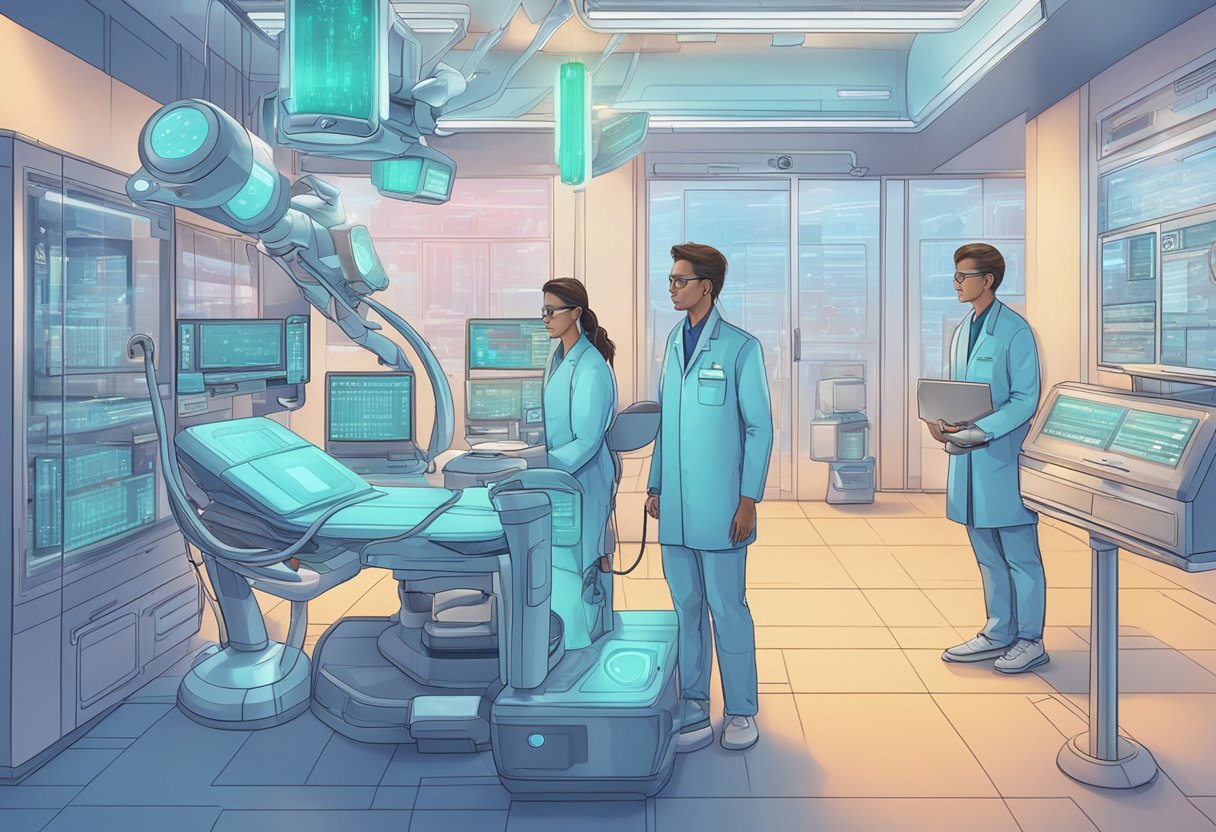
The Rise of AI in Personalized Health

Artificial Intelligence has been making waves in healthcare for years, but its role in creating personalized health plans is gaining significant traction. By analyzing vast amounts of data—ranging from genetic information to daily activity levels—AI can generate insights that were previously impossible to achieve at scale. This data-driven approach allows for the development of health plans that are not only more accurate but also more responsive to individual needs.
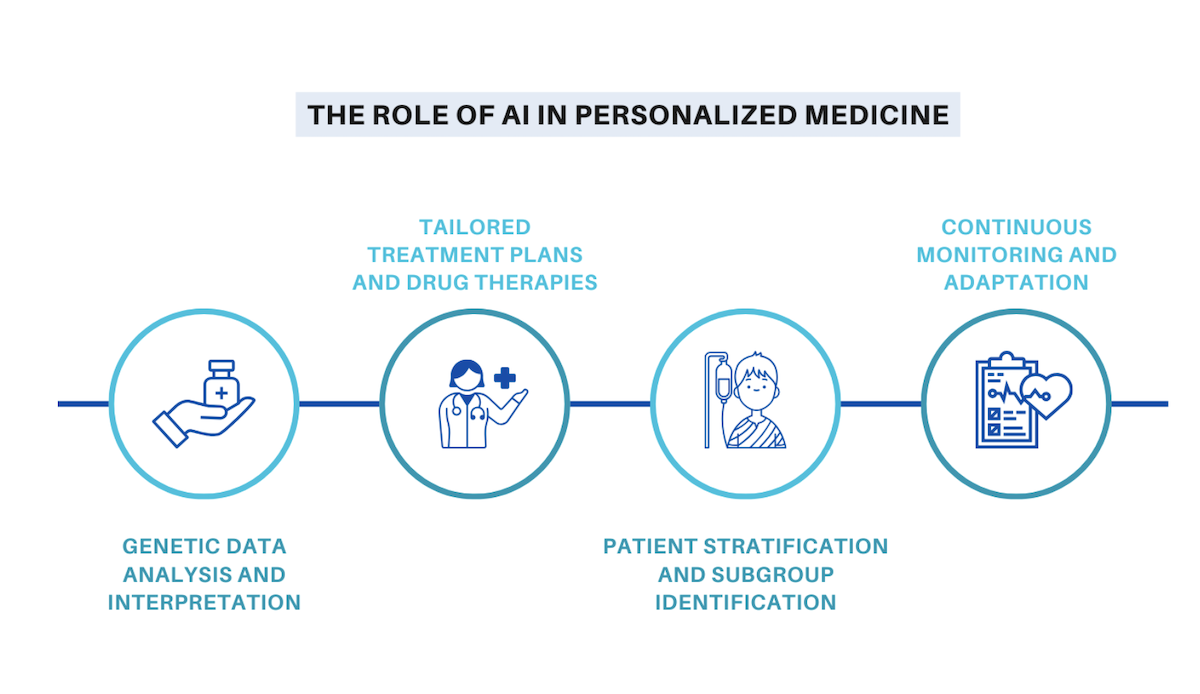
For instance, AI algorithms can process information from wearable devices, such as smartwatches and fitness trackers, to monitor a person's heart rate, sleep patterns, and physical activity. When combined with electronic health records and genetic data, these tools provide a comprehensive view of an individual’s health. This holistic perspective enables healthcare providers to craft personalized recommendations that are specific to each patient’s situation.
Key Benefits of AI-Powered Personalized Health Plans

The advantages of AI-driven personalized health plans are numerous and impactful. Here are some of the most notable benefits:
- Enhanced Accuracy: AI can detect patterns and correlations in health data that might be missed by human analysis. This leads to more accurate diagnoses and treatment recommendations.
- Proactive Care: By identifying potential health risks early, AI helps in implementing preventive measures before issues escalate. This proactive approach can significantly reduce the likelihood of chronic diseases.
- Customized Treatment: Each individual’s health needs are unique. AI allows for the creation of tailored treatment plans that consider a person’s specific conditions, preferences, and lifestyle.
- Improved Patient Engagement: Personalized health plans encourage patients to take an active role in their health management. With real-time feedback and insights, individuals are more likely to adhere to their health goals.
These benefits highlight how AI is not just enhancing the efficiency of healthcare delivery but also improving the overall quality of care.
Real-World Applications of AI in Personalized Health

The integration of AI into personalized health plans is already yielding tangible results across various sectors. One prominent example is the use of AI in managing chronic conditions such as diabetes and hypertension. AI-powered platforms can track blood sugar levels, medication adherence, and dietary habits, providing real-time feedback to both patients and healthcare providers. This continuous monitoring allows for timely interventions and adjustments to treatment plans, leading to better health outcomes.
Moreover, AI is being used in mental health as well. Virtual assistants and chatbots equipped with AI can offer support and resources to individuals struggling with anxiety or depression. These tools can provide immediate assistance and connect users with professional help when needed, making mental health care more accessible and personalized.
Another area where AI is making a difference is in nutrition. AI-driven apps can analyze a user’s dietary intake and suggest personalized meal plans based on their health goals, preferences, and nutritional needs. This level of customization empowers individuals to make informed choices about their diet, ultimately contributing to better overall health.
Challenges and Considerations
While the potential of AI-powered personalized health plans is immense, there are several challenges that must be addressed. One of the primary concerns is data privacy and security. As AI relies heavily on personal health data, ensuring that this information is protected from breaches and misuse is crucial. Patients need to trust that their sensitive data will be handled responsibly and ethically.
Additionally, there is a need for robust regulatory frameworks to govern the use of AI in healthcare. These regulations should ensure that AI technologies are developed and implemented in a way that prioritizes patient safety and well-being. Furthermore, healthcare professionals must be adequately trained to understand and utilize AI tools effectively. This requires ongoing education and collaboration between technologists and medical practitioners.
Another challenge is the potential for bias in AI algorithms. If the data used to train these algorithms is not diverse or representative, the resulting health plans may not be effective for all populations. Addressing this issue requires a commitment to inclusivity and diversity in data collection and algorithm development.
The Future of AI in Personalized Healthcare
Looking ahead, the future of AI in personalized healthcare is promising. As technology continues to advance, we can expect even more sophisticated tools that enhance the accuracy and effectiveness of personalized health plans. For instance, the integration of machine learning and natural language processing could lead to more intuitive and user-friendly health platforms that adapt to individual needs in real time.
Moreover, the expansion of telehealth services, supported by AI, will further democratize access to personalized healthcare. Patients in remote or underserved areas will have greater opportunities to receive tailored care, bridging the gap in healthcare disparities.
As we move forward, it is essential for stakeholders—including healthcare providers, technology developers, and policymakers—to work together to ensure that AI is used responsibly and equitably. By fostering a collaborative environment, we can harness the full potential of AI to improve health outcomes for all individuals.
Conclusion
AI-powered personalized health plans represent a significant leap forward in the quest for better healthcare. By leveraging the power of artificial intelligence, these plans offer a more accurate, proactive, and customized approach to health management. While challenges remain, the potential benefits are undeniable, and the future of healthcare looks brighter than ever.
As we continue to explore the possibilities of AI in healthcare, it is vital to remain informed and engaged. Whether you're a patient, a healthcare provider, or a technology enthusiast, the journey towards personalized healthcare is one worth embracing. By staying informed and adaptable, we can all contribute to a healthier, more equitable future for everyone.

Post a Comment for "How AI-Powered Personalized Health Plans Are Revolutionizing Modern Healthcare"
Post a Comment