How AI is Revolutionizing Personalized Wellness: A Complete Guide
In today’s fast-paced world, it’s easy to feel like wellness advice is one-size-fits-all. “Drink more water.” “Sleep better.” “Work out often.” These are well-intentioned, but they don’t consider your unique body, schedule, or history. The good news? In 2025, AI is changing the game. It’s no longer about generic tips—it’s about algorithms that truly understand you. This article explores how artificial intelligence is personalizing health journeys, making wellness smarter, smoother, and more effective.
Goodbye Guesswork, Hello Precision
Traditional wellness approaches often relied on trial and error. You’d try a cleanse, follow a diet, or stick to a workout routine, only to find it didn’t work for you. But with AI, this is all changing. These systems analyze thousands of data points in real time—your sleep quality, blood oxygen levels, calendar habits, and even your Fitbit’s silent signals. The result? Health programs that are not just tailored but tuned to your evolving needs.
For example, if your heart rate spikes during high-intensity workouts, an AI system might suggest a gentler form of exercise. If your stress levels rise due to work emails, it could recommend mindfulness techniques. This level of precision ensures that your wellness journey is as unique as you are.
AI as Your Digital Wellness Coach (Now Supercharged)
Imagine waking up to a notification from your wellness app: “Your sleep score was 61 last night. How about a calming yoga flow with sound healing instead of a strength session today?” That’s the power of AI in wellness personalization. It doesn’t just read your metrics—it understands your moment.
AI coaches learn your preferences, track your rhythms, and adapt without judgment. If you miss a few workouts, it might switch your session to something more engaging, like dance cardio. If your focus span drops, it offers shorter, more effective exercises. Even your nutrition can be adjusted based on hydration levels, sugar intake, and stress patterns.
This kind of collaboration makes wellness more sustainable and less overwhelming. It’s not about pushing harder; it’s about showing up smarter.
Why Businesses Are Paying Attention (And You Should Too)
Wellness businesses are also embracing AI to offer more personalized experiences. From gyms to spas, the goal is simple: make every visit feel special. AI helps by analyzing behavioral data, predicting engagement, and even offering dynamic pricing and perks.
For instance, if a client prefers deep tissue massages after high-intensity workouts, the system can prepare accordingly. If someone forgets to book a follow-up session, AI sends a gentle reminder. This level of personalization builds trust and loyalty, making clients feel seen and valued.
Businesses that integrate AI don’t just improve customer satisfaction—they stay ahead of the curve. In a market where personalization is now an expectation, those who adopt AI will thrive.
From One-Size-Fits-All to One-Size-Fits-You (Let’s Get Personal)
Let’s do a quick thought experiment: You and a friend both join a new gym. Same onboarding, same routine. Two weeks in, your friend is thriving, but you’re exhausted and disengaged. Why? Because you’re not the same. You have different sleep cycles, energy peaks, and recovery needs.
With AI, your experience would be different. Your first week might be light, easing you in based on your sedentary history. By the second week, the system might ramp up strength training because it sees you sleep better. By the third, it adjusts cardio volume based on your resting heart rate. This kind of personalization makes goals more achievable and drop-offs less likely.
The Rise of Personalized Wellness: A New Era of Individualized Health
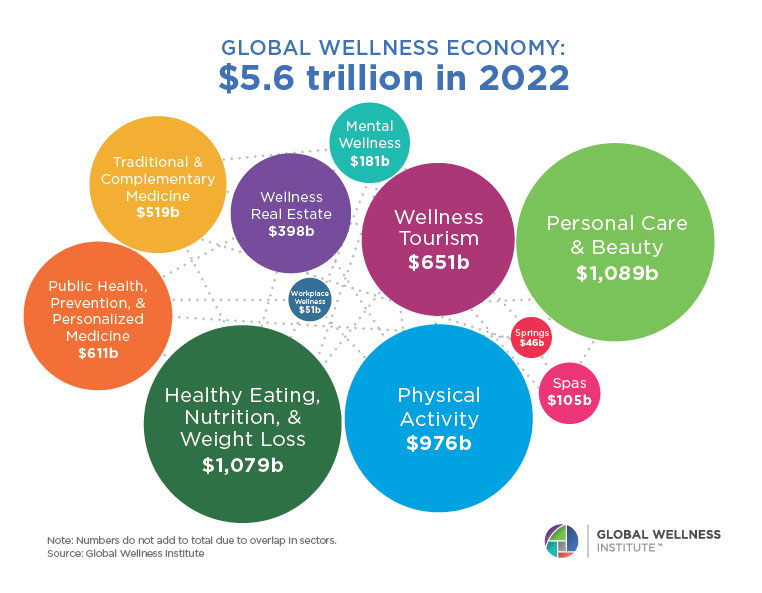
The shift toward personalized wellness isn’t just a trend—it’s a fundamental transformation. With advancements in technology and deeper consumer awareness, people are demanding precision-driven solutions. The global consumer wellness market has surged to $1.8 trillion annually, driven by innovations like wearable devices, at-home diagnostics, and AI-powered health coaching.
Wearable tech, such as the Apple Watch and WHOOP Band, provides real-time biometric tracking that was once only available in clinical settings. These devices monitor vital signs, detect early signs of chronic conditions, and offer predictive insights into potential health issues.
At-home diagnostic kits from companies like Everlywell and Viome allow individuals to take control of their health. They analyze everything from gut microbiome health to genetic predispositions, offering personalized recommendations that help users make informed decisions.
AI-Powered Personalized Nutrition and Fitness
AI is revolutionizing how we approach nutrition and fitness. Platforms like ZOE use glucose monitors and gut microbiome tests to tailor dietary recommendations to individual metabolism. Similarly, apps like Freeletics and Future leverage AI to build adaptive training programs that evolve based on user performance and biometric feedback.
Microsoft’s Azure AI platform is also making waves in this space, providing AI-driven personal coaching solutions that adjust workout intensity, recovery protocols, and even sleep recommendations. These tools ensure that every step of your wellness journey is aligned with your unique needs.
Mental Wellness: Personalized Cognitive and Emotional Support
Mental wellness is another area where AI is making a significant impact. Apps like Headspace and Calm now incorporate biofeedback loops and AI-driven stress assessment tools to offer customized meditation practices. HRV analysis through wearables like WHOOP and Oura Ring helps tailor mindfulness exercises to individual needs.
Companies like Neuralink and Flow Neuroscience are exploring brain-computer interfaces and neurostimulation devices that personalize mental health interventions based on brainwave activity. These innovations are paving the way for more effective and accessible mental health support.
Corporate and Industry Adoption of Personalized Wellness
Corporations are also recognizing the value of personalized wellness. Companies like Johnson & Johnson and Microsoft are investing in AI-powered health platforms to provide employees with customized wellness solutions. These programs include predictive health screenings, personalized mental health support, and wearable-driven wellness incentives.
As these technologies continue to evolve, the future of wellness looks increasingly personalized, proactive, and precise.
The Future of Personalized Wellness
Looking ahead, we can expect wider adoption of predictive healthcare, greater integration of genetic and epigenetic data, and more sophisticated AI-driven health coaching. Regulatory advancements will also play a role in ensuring ethical and secure handling of biometric health data.
Ultimately, personalized wellness represents a paradigm shift in how we approach health and well-being. As AI and biometric technology continue to evolve, the potential for hyper-personalized, precision wellness is becoming a reality—one that could transform how we live, work, and thrive.
Conclusion
AI is reshaping the wellness landscape in ways we never imagined. From personalized coaching to predictive healthcare, these technologies are making health journeys more effective, sustainable, and tailored to individual needs. Whether you're a busy professional, a new parent, or someone looking to improve their overall well-being, AI is here to help you achieve your goals.
As we move forward, it’s essential to balance innovation with ethical considerations, ensuring that these technologies are used responsibly and transparently. The future of wellness is not just about more—it’s about yours.

Post a Comment for "How AI is Revolutionizing Personalized Wellness: A Complete Guide"
Post a Comment