How AI-Driven Health Risk Assessment is Revolutionizing Personalized Healthcare
In an era where technology is reshaping every aspect of our lives, healthcare is no exception. The integration of artificial intelligence (AI) into health risk assessment has opened new frontiers in personalized medicine, enabling more accurate predictions, proactive interventions, and tailored treatment plans. As the healthcare landscape evolves, AI-driven health risk assessment is not just a trend—it’s a transformative force that is redefining how we understand and manage health.
This article explores the power of AI in health risk assessment, its applications, benefits, and the challenges it faces. Whether you're a healthcare professional, a patient, or simply curious about the future of medicine, this guide will provide you with valuable insights into how AI is revolutionizing the way we approach health and wellness.
What Is AI-Driven Health Risk Assessment?

At its core, AI-driven health risk assessment uses advanced algorithms to analyze vast amounts of health data, identifying patterns and predicting potential health risks. This process goes beyond traditional methods by leveraging machine learning, natural language processing, and predictive analytics to deliver real-time, data-driven insights.
Unlike manual assessments, which can be time-consuming and prone to human error, AI systems can process and interpret complex datasets in seconds. These systems integrate data from electronic health records (EHRs), wearable devices, genetic information, and even social determinants of health to create a comprehensive view of an individual's health profile.
For example, AI can detect early signs of chronic conditions like diabetes or heart disease by analyzing trends in blood pressure, cholesterol levels, and lifestyle factors. It can also predict the likelihood of adverse events such as falls or hospital readmissions, allowing healthcare providers to intervene before a crisis occurs.
The Benefits of AI-Driven Health Risk Assessment
The advantages of AI-driven health risk assessment are numerous, offering both clinical and operational benefits:
1. Improved Accuracy and Early Detection
AI systems can identify subtle patterns in health data that may be missed by human clinicians. For instance, AI models trained on large datasets have shown high accuracy in detecting early signs of sepsis, a life-threatening condition that requires rapid intervention. Studies have shown that AI-powered tools can reduce sepsis mortality rates by up to 17% in some hospitals.
2. Personalized Care
By analyzing an individual's unique health data, AI can help tailor treatment plans to their specific needs. This level of personalization ensures that patients receive the most effective care possible, reducing the risk of complications and improving outcomes.
3. Cost Efficiency
AI-driven risk assessment can help reduce healthcare costs by preventing avoidable hospitalizations and emergency room visits. Predictive models can flag high-risk patients who require closer monitoring, allowing for timely interventions that save money in the long run.
4. Enhanced Patient Engagement
Many AI tools offer interactive dashboards and mobile apps that allow patients to track their health metrics and receive personalized recommendations. This engagement empowers patients to take a more active role in managing their health.
5. Support for Clinical Decision-Making
AI serves as a powerful decision-support tool for healthcare professionals. By providing real-time insights and evidence-based recommendations, AI helps clinicians make more informed choices, especially in complex cases.
Real-World Applications of AI in Health Risk Assessment

AI-driven health risk assessment is already making a significant impact across various healthcare settings. Here are some examples of how AI is being used today:
1. Predicting Chronic Disease Outcomes
AI models are being used to predict the progression of chronic diseases such as diabetes, hypertension, and cancer. These models analyze patient data to identify those at higher risk of complications, enabling early interventions.
2. Monitoring Mental Health
AI-powered chatbots and virtual assistants are being used to monitor mental health symptoms and provide support to individuals struggling with anxiety, depression, or other psychological conditions. These tools can detect changes in mood and behavior, alerting healthcare providers when intervention is needed.
3. Reducing Hospital Readmissions
AI systems can analyze patient data to predict the likelihood of readmission after discharge. By identifying high-risk patients, hospitals can implement targeted follow-up programs, reducing the chances of a return visit.
4. Improving Medication Safety
AI tools are being used to detect potential medication errors by analyzing prescription data and patient history. These systems can flag drug interactions, incorrect dosages, and other safety concerns before they become a problem.
5. Enhancing Cybersecurity in Healthcare
As healthcare becomes increasingly digitized, the risk of cyberattacks is rising. AI is being used to monitor network activity and detect suspicious behavior, helping to protect sensitive patient data and prevent breaches.
Challenges and Ethical Considerations

While AI-driven health risk assessment offers many benefits, it also presents several challenges and ethical concerns that must be addressed:
1. Data Privacy and Security
Healthcare data is highly sensitive, and ensuring its privacy and security is critical. AI systems must comply with regulations such as the Health Insurance Portability and Accountability Act (HIPAA) in the United States to protect patient information.
2. Bias and Fairness
AI models can inherit biases present in the data they are trained on, leading to disparities in care. It is essential to ensure that these systems are trained on diverse datasets and regularly audited for fairness.
3. Transparency and Explainability
Healthcare professionals and patients need to understand how AI systems arrive at their conclusions. Transparent and explainable AI models are crucial for building trust and ensuring that decisions are made responsibly.
4. Regulatory Compliance
The use of AI in healthcare is subject to strict regulations. Organizations must navigate complex compliance requirements to ensure that their AI tools meet legal and ethical standards.
5. Human Oversight
While AI can enhance decision-making, it should never replace human judgment. Clinicians must remain actively involved in interpreting AI-generated insights and making final decisions.
The Future of AI in Health Risk Assessment
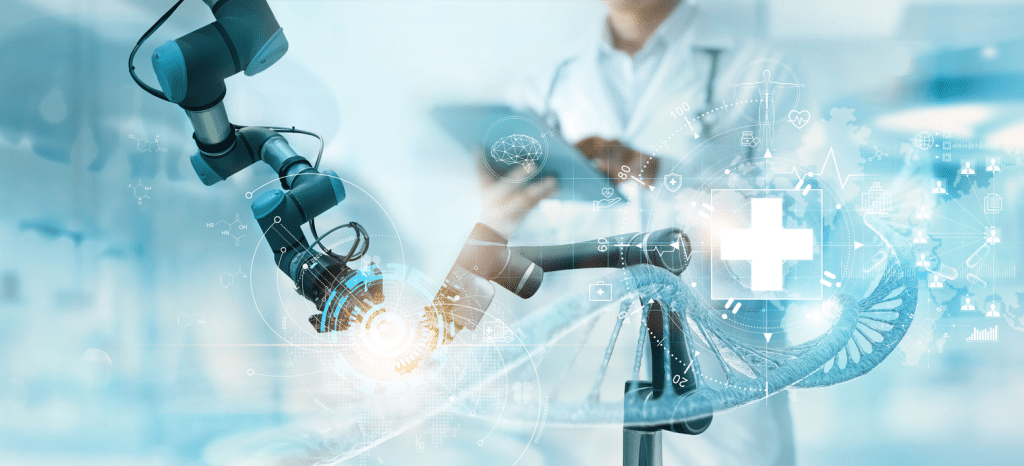
The future of AI in health risk assessment looks promising, with ongoing advancements in machine learning, data analytics, and cloud computing. Here are some trends to watch:
1. Integration with Wearable Devices
As wearable technology becomes more sophisticated, AI will play a key role in analyzing real-time health data from devices such as smartwatches and fitness trackers. This integration will enable continuous monitoring and early detection of health issues.
2. Expansion of Predictive Models
AI models will continue to evolve, becoming more accurate and capable of predicting a wider range of health risks. These models will incorporate data from multiple sources, including genomics, environmental factors, and social determinants of health.
3. Advancements in Explainable AI
Developers are working to create more transparent AI systems that can clearly explain their reasoning. This will be crucial for gaining the trust of both healthcare professionals and patients.
4. Collaborative AI Platforms
Future AI systems will likely be more collaborative, integrating data from multiple stakeholders, including patients, clinicians, and researchers. These platforms will enable more comprehensive and holistic approaches to health risk assessment.
5. Global Health Applications
AI-driven health risk assessment has the potential to improve healthcare access and outcomes in underserved communities. By leveraging AI, healthcare providers can deliver more efficient and equitable care to populations around the world.
Conclusion
AI-driven health risk assessment is transforming the way we approach healthcare, offering unprecedented opportunities for personalized, proactive, and efficient care. From early disease detection to improved patient engagement, the benefits of AI are clear. However, as with any powerful technology, it comes with its own set of challenges that must be carefully managed.
As we move forward, the key to success will be striking the right balance between innovation and responsibility. By addressing ethical concerns, ensuring transparency, and maintaining human oversight, we can harness the full potential of AI to improve health outcomes and create a more equitable healthcare system.
The journey toward a smarter, more responsive healthcare system is just beginning—and AI is at the forefront of this exciting transformation.

Post a Comment for "How AI-Driven Health Risk Assessment is Revolutionizing Personalized Healthcare"
Post a Comment